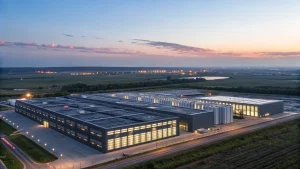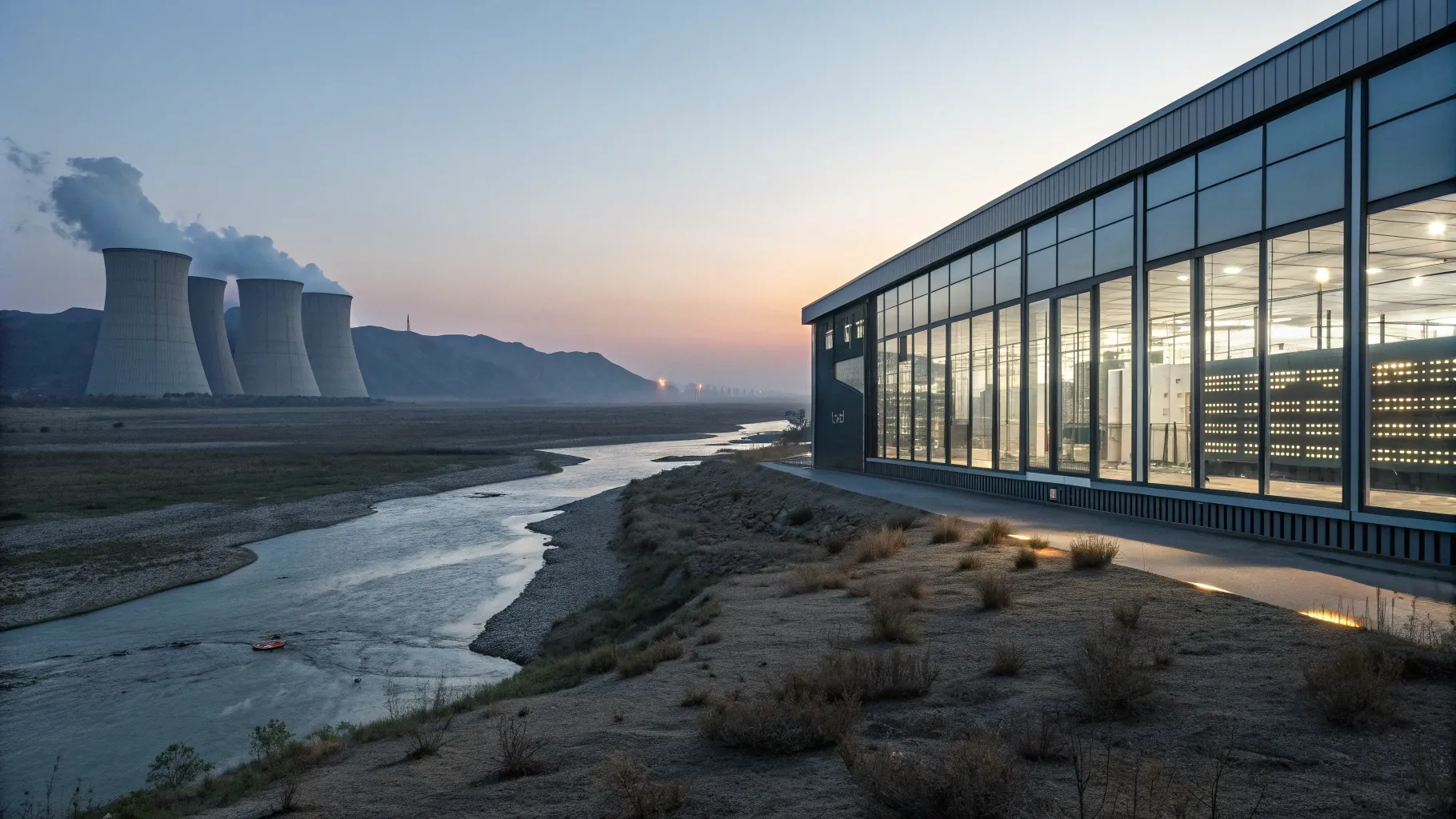
Public concern over how much water artificial intelligence consumes has surged this year, as new computing hubs rise in drought-prone regions and near fast-growing cities. Companies racing to train large models are adding capacity across the United States and Europe, and local officials are fielding questions about water rights, cooling methods, and transparency. The debate centers on where these facilities are built, how they cool their equipment, and who bears the local impact.
At the heart of the discussion is a simple warning and a plea for nuance. “Fears about AI data centers’ water use have exploded. Experts say the reality is far more complicated than people think.”
The Surge in Concern
AI training and inference require dense clusters of chips that generate intense heat. Many facilities reduce that heat with evaporative cooling, which uses water. Others use mechanical chillers that pull more electricity instead of water. The method depends on climate, cost, and reliability requirements.
Communities have questioned permits after reports of facilities using millions of gallons per day at peak. While such figures can be accurate for large campuses, usage varies by season and workload. Some sites barely use water on cool days. Others rely on air cooling for much of the year and switch to water on hot afternoons.
How Data Centers Use Water
Cooling is the main driver of direct water use. Two approaches dominate. Evaporative systems trade water for energy savings. Chiller-based systems consume more electricity but can sharply reduce on-site water use.
Operators also face indirect water use from power generation. Thermal power plants evaporate water to make electricity. If a data center reduces on-site water but draws more electricity from a steam plant, the total water footprint may rise elsewhere.
Location and Timing Matter
Water effects are local. A facility drawing on a stressed aquifer during a summer heat wave has a different impact than one using recycled wastewater in a wet region. Timing matters as well. Peak summer demand can strain supplies that also serve homes, farms, and hospitals.
Experts often urge siting near cooler climates, non-potable sources, or districts with surplus reclaimed water. Some utilities now require projects to use recycled water for cooling where possible. Others are exploring seasonal storage to shift demand away from peak months.
Measuring the Full Footprint
Many companies report a water usage effectiveness metric, or WUE. This figure divides total water use by the energy used for computing. It helps compare sites, but it can mislead without context on climate and power sources.
A fuller picture includes three pieces:
- Direct water on site for cooling and humidification.
- Indirect water from electricity generation.
- Local water stress and seasonality.
Without all three, it is hard to judge community impact. Stakeholders have called for better, site-level disclosure that separates potable, non-potable, and recycled water and shows seasonal patterns.
What Companies and Cities Are Doing
Operators are testing liquid-cooling systems that bring coolant directly to chips. These systems can cut airflow needs and reduce water use, though results depend on the design. Some facilities now run hybrid setups, using dry cooling most days and switching to evaporative systems only during heat waves.
Cities are negotiating contracts that prioritize reclaimed water, limit draws during drought emergencies, and require public reporting. Utilities are adding reuse plants that feed industrial customers so that drinking water stays in the municipal system.
Environmental groups press for stronger siting rules and independent audits. Industry groups warn that stringent rules could push projects to regions with weaker safeguards. Both sides agree that clear data and drought plans help prevent conflict.
Balancing AI Growth With Local Needs
AI demand is climbing as more services move from pilot tests to daily use. That will add pressure to grids and to local water systems. The fastest gains may come from better scheduling and smarter siting. Running the most water-intensive jobs at cooler hours can lower evaporation. Building near recycled water networks can keep drinking water for households.
Experts also point to procurement. Buying clean power from plants with low water intensity, such as wind and solar, can shrink the off-site water footprint. Pairing that with on-site water reuse can cut the total impact further.
The public debate is set to grow as cities evaluate new permits and drought patterns shift. The headline says the quiet part out loud:
“Fears about AI data centers’ water use have exploded. Experts say the reality is far more complicated than people think.”
The next phase will turn on better data and local planning. Readers should watch for site-level disclosures, commitments to recycled water, and cooling designs matched to climate. Those steps will show whether AI’s growth can fit within local water limits without eroding service for homes and farms.

Kirstie a technology news reporter at DevX. She reports on emerging technologies and startups waiting to skyrocket.