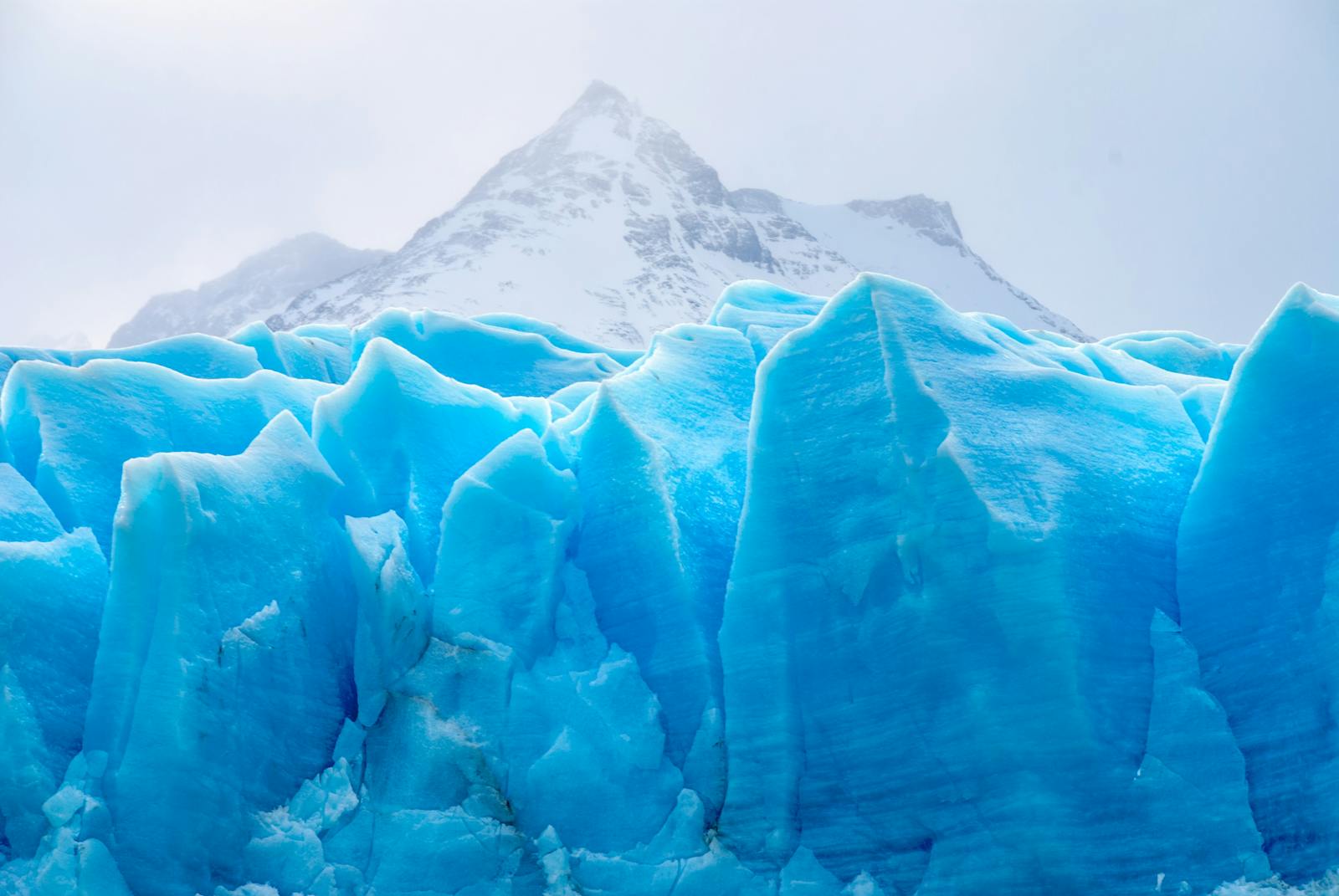
The Arctic has experienced dramatically higher rates of warming compared to the global average since 1979. Svalbard, an archipelago near the northeast coast of Greenland, exemplifies this trend, warming up to seven times faster than the global average. Over half of Svalbard is covered by glaciers, and their potential complete melting would have a significant impact on global sea levels.
To better understand the dynamics of these glaciers, researchers developed an AI model that could analyze millions of satellite images from the past four decades. The research shows an alarming trend: these glaciers are shrinking faster than ever, correlating with global warming. The study focused on “marine-terminating glaciers,” which directly drain into the ocean.
In Svalbard, these glaciers play an essential role as they transfer nutrient-rich seawater to the ocean surface and influence ocean circulation patterns. The primary way they lose mass is through iceberg calving, where large chunks of ice break off and fall into the ocean. Accurately predicting future glacier mass loss requires a deeper understanding of this calving process.
Traditionally, mapping the glacier calving front – the boundary between ice and ocean – required researchers to painstakingly review satellite images and make digital records, a method that is not only labour-intensive but also prone to inconsistencies. The sheer volume of satellite images available today necessitates a more efficient approach, leading the researchers to employ artificial intelligence (AI).
Svalbard’s rapidly retreating glaciers
The study utilized AI to analyze millions of satellite images of 149 marine-terminating glaciers taken between 1985 and 2023. This approach allowed the researchers to examine glacier retreats on an unprecedented scale. The findings revealed that 91% of marine-terminating glaciers in Svalbard have significantly retreated since 1985, with a loss of over 800 km² of glacier area, larger than New York City.
The annual loss averaged 24 km², almost twice the size of Heathrow Airport in London. Notably, in 2016, the calving rates doubled in response to extreme warming, accompanied by a record 42mm of rain in a single day in October and unusually warm, ice-free seas. In addition to long-term retreat, these glaciers also exhibit seasonal cycles, retreating in summer and advancing in winter.
This seasonal variation was observed in 62% of Svalbard’s glaciers. By comparing these changes with seasonal air and ocean temperature variations, the researchers found that glaciers retreated almost immediately as the ocean warmed up in spring, confirming scientists’ long-held suspicions about the impact of ocean temperatures on glacier dynamics. Svalbard’s unique location in the Arctic but close to warm Atlantic waters leads to frequent climate extremes.
The findings indicate that marine-terminating glaciers are highly sensitive to such extremes, with the most significant retreat rates occurring in recent years. This trend is likely to be replicated in other Arctic regions, especially around Greenland, the largest ice mass in the northern hemisphere. If the current climate warming trend continues, rapid glacier retreat, rising sea levels, and the endangerment of millions of coastal inhabitants worldwide can be expected.

Noah Nguyen is a multi-talented developer who brings a unique perspective to his craft. Initially a creative writing professor, he turned to Dev work for the ability to work remotely. He now lives in Seattle, spending time hiking and drinking craft beer with his fiancee.