Anthropic has published a comprehensive energy report focusing on artificial intelligence development in the United States. The report, titled “Build AI in America,” examines the energy requirements, infrastructure needs, and economic implications of expanding AI capabilities across the country.
The document arrives at a critical time when both government agencies and private companies are evaluating the resources needed to maintain America’s competitive edge in artificial intelligence development. As computing demands for AI systems continue to grow, understanding energy consumption patterns becomes increasingly important for sustainable growth in the sector.
Energy Requirements for AI Infrastructure
According to the report, building and maintaining advanced AI systems requires significant power resources. The document details how large language models and other sophisticated AI applications demand substantial computing infrastructure, which in turn necessitates reliable and abundant energy sources.
Anthropic’s analysis provides estimates of power consumption for various types of AI workloads, from training large models to running inference operations at scale. The report suggests that as models grow in complexity, their energy requirements follow a predictable but steep trajectory.
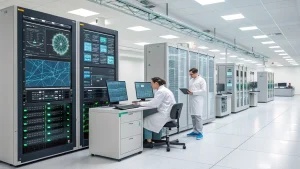
The findings indicate that data centers dedicated to AI operations have unique power profiles compared to traditional computing facilities. These specialized centers often require more consistent high-power delivery with less variation in demand patterns.
Geographic Considerations
The report highlights several regions across the United States that offer advantages for AI development based on their energy infrastructure. Factors considered include:
- Proximity to renewable energy sources
- Existing power grid capacity
- Climate conditions that affect cooling requirements
- Local regulations and incentives for technology development
Areas with access to hydroelectric, solar, or wind power receive particular attention as potential hubs for sustainable AI infrastructure. The report notes that some states have already begun positioning themselves as attractive locations for AI companies by upgrading power infrastructure and offering energy-related incentives.
Economic Impact and Job Creation
Beyond the technical aspects of energy consumption, Anthropic’s report examines the economic benefits of domestic AI development. The analysis suggests that building AI infrastructure in America creates jobs across multiple sectors, from construction and electrical engineering to software development and research positions.
The report estimates that for every direct job in AI development, several additional positions are created in supporting industries. This multiplier effect extends to communities surrounding major AI facilities, potentially revitalizing areas that have experienced economic challenges.
“Developing AI capabilities domestically not only strengthens national security and technological leadership but also creates economic opportunities across diverse skill levels and geographic regions,” the report states.
Policy Recommendations
Anthropic’s report concludes with several policy recommendations aimed at government officials and industry leaders. These suggestions focus on balancing rapid AI advancement with sustainable energy practices.
Key recommendations include investing in grid modernization projects, streamlining permitting processes for new energy infrastructure, and creating incentives for companies that implement energy-efficient AI systems. The report also advocates for public-private partnerships to address the substantial capital requirements for next-generation AI facilities.
Additionally, the document calls for increased research funding to develop more energy-efficient algorithms and hardware specifically designed for AI workloads, which could significantly reduce the environmental footprint of future systems.
As competition in artificial intelligence intensifies globally, Anthropic’s energy report provides a framework for understanding the resources required to maintain leadership in this critical technology sector. The findings suggest that strategic investments in energy infrastructure today could determine America’s position in the AI landscape for decades to come.

A seasoned technology executive with a proven record of developing and executing innovative strategies to scale high-growth SaaS platforms and enterprise solutions. As a hands-on CTO and systems architect, he combines technical excellence with visionary leadership to drive organizational success.