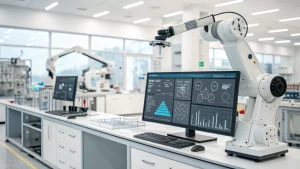
How are various sectors such as IT, media, telecom, pharma, scientific R&D and transport using Artificial Intelligence to boost innovation and efficiency?
Explore the OECD's latest insights on #AI's transformative role across industries: https://t.co/QCFv94j09x | #OECDAI pic.twitter.com/9UXMvTCThx
— OECD ➡️ Better Policies for Better Lives (@OECD) February 16, 2025
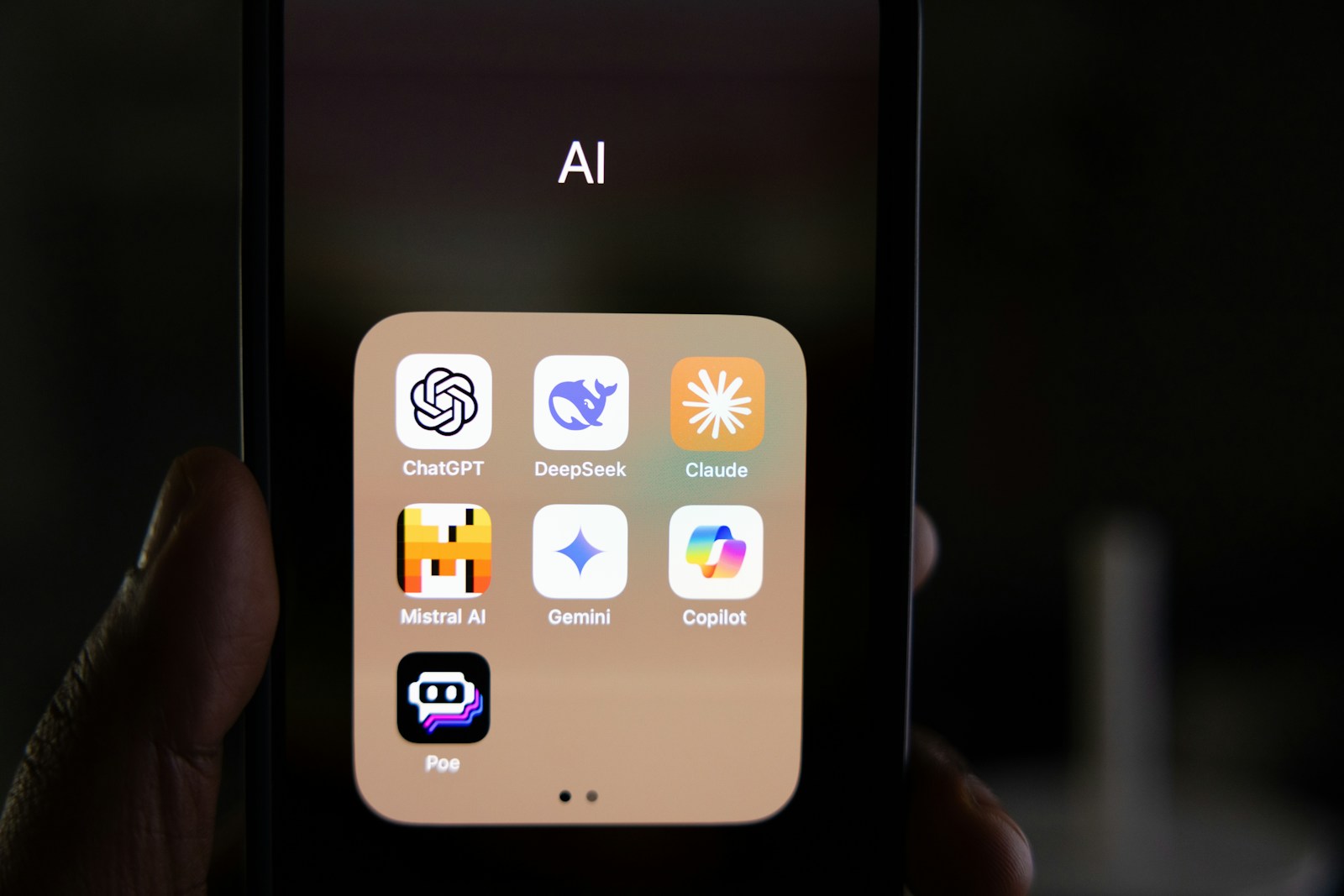
Anthropic, the company behind the AI chatbot Claude, has released a groundbreaking study that sheds light on how artificial intelligence is being used in the workplace. The study analyzed one million anonymized conversations from Claude Free and Pro users to understand the types of tasks employees are using the AI for. The study found that software engineering tasks dominated the dataset, making up 37.2% of the conversations.
These tasks included debugging code and network troubleshooting. Writing and editing queries came next, accounting for 10.3% of interactions. These were grouped under “arts, design, sports, entertainment, and media” roles, such as copywriting.
Love that @AnthropicAI did this research. I’m really interested in AI’s longitudinal impact on jobs changes over time. Looks like AI is being broadly and quickly adopted for software development, but other knowledge-based jobs aren’t far behind.https://t.co/0frxrWUjQd
— Phin Barnes (@phineasb) February 14, 2025
Jobs in science and education also demonstrated higher rates of AI use relative to their presence in the economy.
The Guardian wouild like to hear from people about how much their job has been impacted by AI https://t.co/Ln6GfmB56r
— Richard Poynder (@RickyPo) February 15, 2025
Ai’s role in workplace tasks
Tasks frequently involved in these sectors included producing entertainment like film and TV, conducting research, and creating educational materials.
The report revealed that in 57% of cases, AI was used to augment human work, while it automated tasks 43% of the time. Augmentation included activities like validating work, helping users acquire new knowledge, and brainstorming. Using O*NET’s median salary data, the study showed that AI use is more prevalent in “mid-to-high wage occupations,” such as data science.
Lower and higher-wage jobs, such as salon workers or doctors, showed less AI interaction, often due to their emphasis on manual tasks or complex decision-making. Approximately 4% of jobs used AI for at least 75% of tasks, while around 36% of jobs had some AI use for at least 25% of their tasks. Anthropic plans to periodically rerun its analysis to monitor changes and see if certain roles are experiencing more automation over time.
This detailed study provides a nuanced view of how Claude AI is embedded in various work environments, showcasing both the augmentation and automation potential of AI technologies.

Rashan is a seasoned technology journalist and visionary leader serving as the Editor-in-Chief of DevX.com, a leading online publication focused on software development, programming languages, and emerging technologies. With his deep expertise in the tech industry and her passion for empowering developers, Rashan has transformed DevX.com into a vibrant hub of knowledge and innovation. Reach out to Rashan at [email protected]