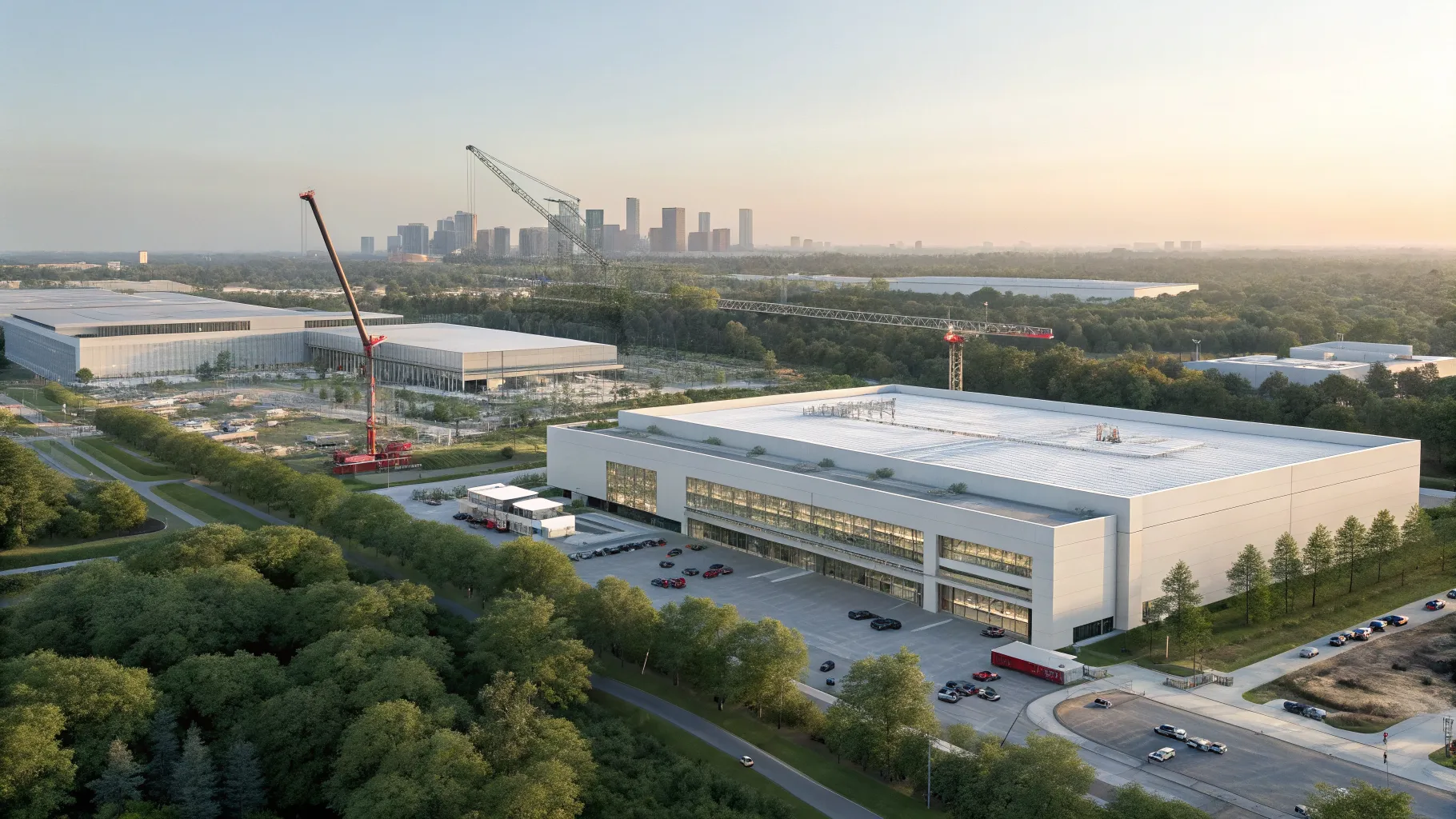
Apple is growing its footprint in Houston, tying the move to a sweeping plan to boost production inside the United States. The expansion comes as the company links the project to a $600 billion commitment to U.S. manufacturing, signaling a bid to strengthen domestic supply chains and reduce exposure to overseas risks. The initiative places Texas at the center of a push to make more of the technologies Americans use every day.
“Apple is expanding a facility in Houston as part of a $600 billion commitment to U.S. manufacturing.”
Why It Matters Now
The announcement lands amid renewed efforts to reshore advanced manufacturing. Companies across sectors have been reassessing supply routes after pandemic-era bottlenecks and geopolitical tensions. Apple’s move also aligns with federal incentives, such as the CHIPS and Science Act and clean manufacturing tax credits, designed to seed high-tech jobs and capital spending in the U.S.
While dollar figures for individual projects were not provided, linking Houston to a multi-hundred-billion-dollar plan signals intent at scale. It also suggests more supplier activity across the Gulf Coast and central Texas, where logistics networks and energy infrastructure are deep.
Texas as a Hardware Hub
Texas has long been a center for electronics and semiconductor work. Apple already assembles the Mac Pro in Austin through a contract manufacturing partner and has grown its corporate presence in the region over the past decade. Houston adds another node in a state that offers industrial land, ports, rail, and access to skilled workers from local universities and community colleges.
Industry analysts say the state’s mix of engineering talent and shipping capacity makes it attractive for advanced manufacturing. Port Houston ranks among the nation’s busiest for container traffic and project cargo, a key link for moving equipment and components.
Jobs, Supply Chains, and Local Effects
Local leaders in Texas have pushed for investments that create stable, high-wage jobs. Even modest expansions can spur work for suppliers in machining, packaging, testing, and maintenance. Housing, transit, and training programs often follow as the ecosystem grows.
For Apple, a stronger U.S. base could shorten lead times for certain products and raise transparency in its supplier network. It may also give the company more control over quality and logistics during product ramps.
- Shorter supply lines can improve reliability during shocks.
- Proximity to customers can speed customization and after-sales support.
- Higher domestic costs may pressure margins without productivity gains.
What the Numbers Could Signal
Apple has a history of large U.S. spending plans, including previous multi-year pledges for capital projects, suppliers, and data centers. A commitment framed at $600 billion—if spread across facilities, equipment, research, and procurement—would place manufacturing at the heart of its long-term operations plan.
National policy is aimed at similar goals. The CHIPS and Science Act includes $52.7 billion in incentives to expand semiconductor research and fabrication. Clean energy credits in recent legislation support battery and component plants. Apple’s Houston project fits the pattern of firms co-locating assembly and supplier services closer to domestic chip, glass, sensor, and battery lines.
Balancing Cost and Resilience
Building in the U.S. can be more expensive than in long-standing Asian hubs. Companies weigh wage levels, permitting, and training needs against gains in speed and resilience. If Apple offsets costs with automation, process improvements, and larger production runs, it could defend margins while anchoring more value at home.
Suppliers may follow. When an anchor company expands, upstream partners in precision parts, materials, and tooling often add capacity nearby to cut transit time and improve coordination.
What to Watch Next
Key markers will include the project’s timeline, hiring plans, and the mix of work done in Houston—final assembly, repair, testing, or component staging. Coordination with Texas workforce programs will show whether local training can keep pace with technical roles in equipment maintenance and quality control. Any sign of linked investments by suppliers would point to deeper regional clustering.
Apple’s decision positions Houston as a larger player in high-tech production while advancing a broader bid to strengthen domestic manufacturing. The scale of the commitment suggests more projects to come. Watch for permitting filings, supplier announcements, and training grants that turn a headline promise into production on the ground.

Rashan is a seasoned technology journalist and visionary leader serving as the Editor-in-Chief of DevX.com, a leading online publication focused on software development, programming languages, and emerging technologies. With his deep expertise in the tech industry and her passion for empowering developers, Rashan has transformed DevX.com into a vibrant hub of knowledge and innovation. Reach out to Rashan at [email protected]