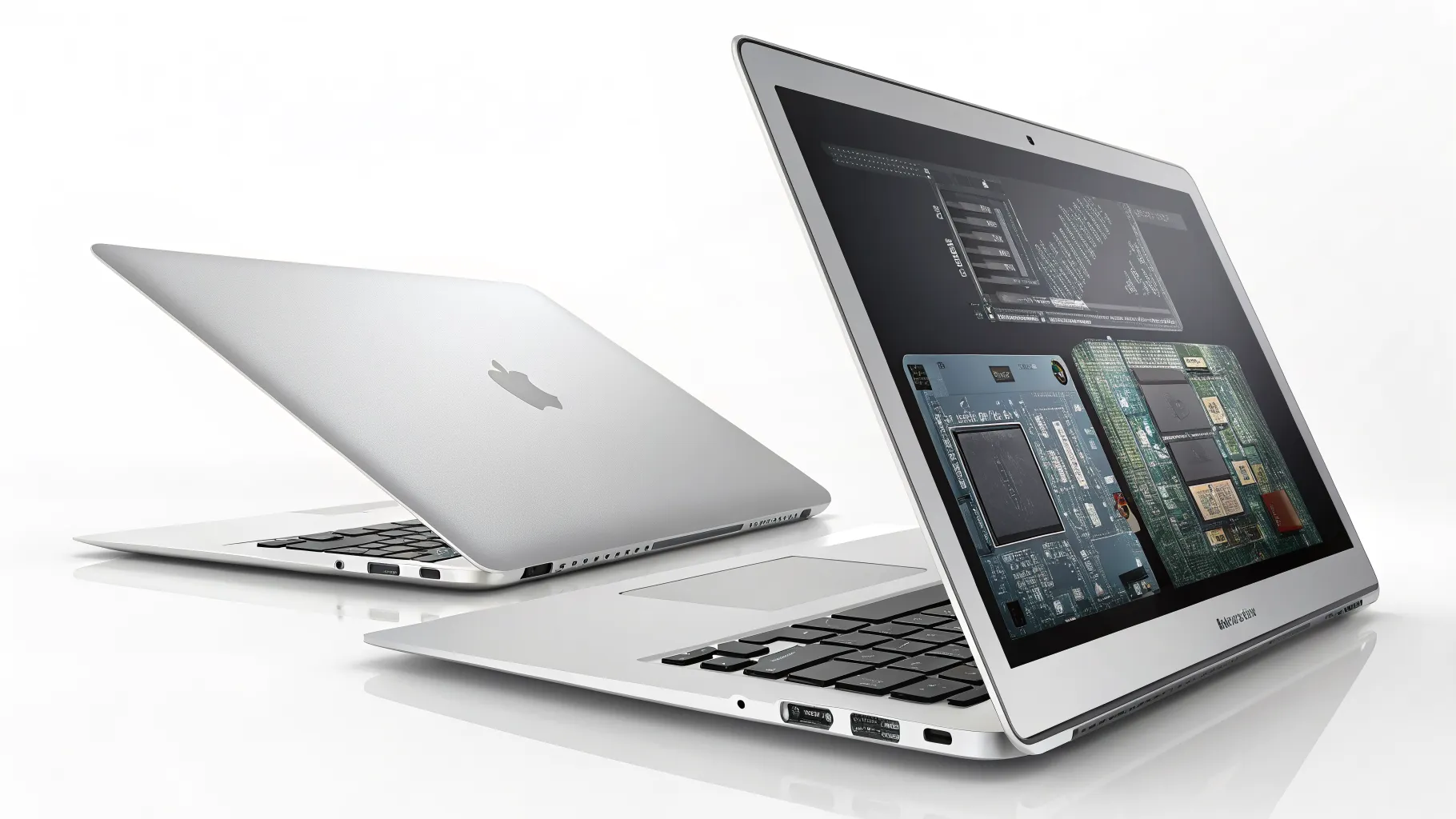
Apple is steering its next generation of Mac silicon toward heavier on-device artificial intelligence, with updated M5 chips built to power MacBook Air and MacBook Pro models. The push signals a larger shift in personal computing, where laptops are expected to run more AI features locally, with faster performance and lower latency. The move also hints at a widening race among chipmakers to bring neural processing from the cloud to everyday notebooks.
“These updated M5 chips were specifically designed to make the MacBook Air and MacBook Pro laptops better at handling intensive AI tasks.”
Why On-Device AI Is Rising
AI features are moving from servers to personal devices. Running models on a laptop can cut reliance on the internet and reduce cloud costs. It can also improve privacy by keeping sensitive data on the machine. Users expect quicker actions, such as real‑time transcription, image generation, code assistance, and photo editing with smart selection and cleanup.
Rivals are following the same path. Recent Windows laptops ship with dedicated neural hardware. Chip vendors have highlighted local assistants, live captions, and accelerated creative apps. The new focus for Mac notebooks places them in direct competition with these offerings.
What “Better at AI Tasks” Likely Means
Apple has emphasized performance per watt in earlier chips. A similar approach for an M5 line would aim to keep MacBook Air thin and silent while raising AI throughput. In the Pro line, extra thermal headroom could support sustained workloads for media and development teams.
- Faster on-device inference for language and vision models.
- Lower energy use during background AI features.
- Improved responsiveness in creative and productivity apps.
- Greater support for real-time tasks, like translation and captioning.
The details that matter will include neural engine capacity, memory bandwidth, and software toolchains. App developers care about frameworks that map models to neural units without heavy manual tuning.
Implications for Mac Users and Developers
For everyday users, local AI can shorten wait times and work offline. Photo libraries can index faces and scenes faster. Voice commands can respond without round trips to a server. Video tools can clean audio and enhance scenes during editing.
Developers will watch for unified memory options that keep large models resident without tight limits. They will also look for stable APIs, export paths from popular training frameworks, and clear guidance on quantization and mixed precision. If tools align, more third‑party apps will ship with local AI features by default.
Competitive Pressures and Open Questions
The market is moving fast. Windows PCs now promote dedicated neural compute. New Arm designs for laptops promise strong efficiency. To stand out, Mac notebooks will need clear gains in real workloads, not only peak numbers.
There are trade‑offs. Thinner designs face thermal limits during long AI runs. Battery life can dip if workloads are not well scheduled. Some advanced models still require cloud resources for size and training data. Users will expect a smooth handoff between local and online processing, depending on task and privacy settings.
What to Watch Next
Key signals will come from independent tests in common tools. Creators will compare render and export times with AI effects enabled. Engineers will measure token throughput for code assistants. Students may look at battery drain during note‑taking with live transcription.
Broader adoption also depends on partnerships. If major creative, office, and browser vendors deepen support for neural features on Mac, the value will be clear. Education and enterprise buyers will track device management, privacy controls, and total cost compared with cloud‑heavy setups.
The message is clear: Mac laptops are being tuned for heavier local AI use. The coming cycle will show whether the updated M5 chips deliver meaningful gains across real work. If software support and battery life match the promise, on‑device AI could become a standard feature of everyday Mac workflows. Watch for benchmarks, app updates, and guidance for running popular models locally as the next indicators of progress.

Senior Software Engineer with a passion for building practical, user-centric applications. He specializes in full-stack development with a strong focus on crafting elegant, performant interfaces and scalable backend solutions. With experience leading teams and delivering robust, end-to-end products, he thrives on solving complex problems through clean and efficient code.