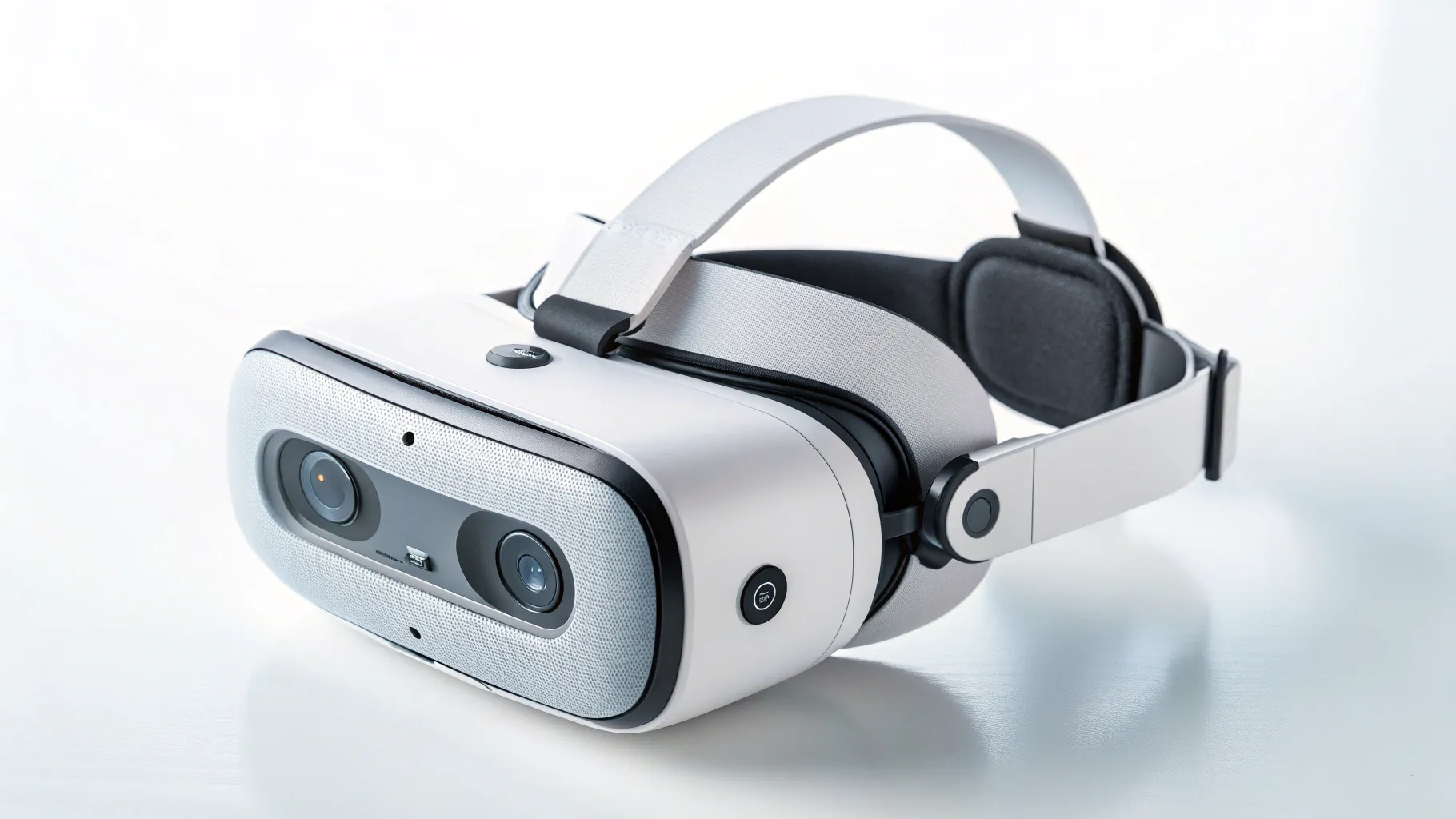
The latest wave of mixed-reality headsets from major tech companies is hitting store shelves, raising a central question for buyers and developers alike. Are these devices the future, or just an interim step toward lighter eyewear and more natural interfaces? The launches arrive as companies court consumers and businesses with promises of spatial apps, immersive entertainment, and remote collaboration tools.
The question is whether the current gear can deliver enough value to justify its price and size. The debate echoes earlier cycles in smartphones and smartwatches, where early models paved the way for mainstream acceptance. For many shoppers, the stakes are simple: comfort, cost, and content.
“Big Tech’s latest batch of mixed-reality headsets are ready for you, but are they just stopgaps on the way to something else?”
A New Push for Spatial Computing
Recent releases signal a fresh investment in head-worn computing after years of prototypes and enterprise pilots. The devices blend virtual and physical worlds using high-resolution displays, outward-facing cameras, and hand or eye tracking. Companies pitch them as tools for movies, games, design reviews, and training.
Prices range from hundreds to several thousand dollars, depending on optics, sensors, and display quality. That gap reflects different bets on who will buy first. Some target mainstream gamers and families. Others focus on creative pros and workplaces that can justify higher costs with productivity gains.
Hardware Limits Shape Today’s Experience
Comfort and battery life remain the biggest hurdles. Headsets are still heavier than glasses, and extended use can cause fatigue. Battery packs add weight or tethers. Airflow and heat affect comfort during longer sessions.
Visual clarity is improving, but it varies across models. Field of view, lens design, and passthrough video quality determine how stable the digital layer feels. Latency is better than in early models, yet still noticeable in some tasks. Controllers, hand tracking, and eye tracking each bring trade-offs in precision and learning curve.
Content, Not Specs, Will Decide Winners
What people can do with these headsets matters more than raw specs. Buyers want reasons to put on a device every day. That means apps for work and play that feel fast, helpful, and fun.
- Entertainment: Big-screen viewing, 3D video, and social hangouts drive early interest.
- Productivity: Virtual monitors, design tools, and remote collaboration promise fewer screens on desks.
- Training: Simulations for safety, medical, and industrial tasks show clear returns in some pilots.
Developers say they need stable platforms, clear revenue paths, and better discovery. Without a strong app store economy, even great hardware will stall. Cross-platform tools and web standards could reduce risk for small studios and enterprise teams.
New Logitech G522 Review, YouTube
Privacy, Safety, and Social Fit
On-device cameras and eye tracking raise privacy concerns. Clear permissions, local processing, and simple privacy controls will be important. Public use also remains awkward. Users worry about social signals when their eyes are hidden or when cameras are recording. Lightweight designs and transparent cues may help.
Safety is another factor. Full immersion increases the chance of bumping into furniture. Mixed modes help, but passthrough video can distort depth. Better spatial mapping and boundary alerts are improving the situation.
Consumer vs. Enterprise Adoption
Workplaces may adopt first where the benefits are easy to measure. Training modules and 3D reviews have shown time savings and fewer errors in some trials. Support costs, device management, and content updates still create friction.
For consumers, price sensitivity is higher. Families weigh headsets against game consoles and tablets. Subscription models and bundled content could soften the upfront cost, but only if the value is obvious.
What Comes After Headsets
Many in the industry see today’s headsets as a step toward slimmer glasses that can be worn all day. That will require advances in displays, computing, and power efficiency. It will also take better input methods. Voice, gaze, and subtle gestures could replace bulky controllers in the long run.
Near term, expect iterative hardware, sharper passthrough, and better mixed modes. Software updates will add features and smoother multitasking. The most significant shifts may come from new apps that make daily use feel necessary rather than optional.
For now, buyers face a clear trade-off. These headsets can deliver fresh experiences today, but they remain heavier, pricier, and more limited than many want. The next phase will be defined by content that solves real problems and fits daily habits. Watch for stronger app ecosystems, privacy safeguards that earn trust, and gradual moves from living rooms and labs into classrooms and offices. If those pieces fall into place, the question may shift from “stopgap” to “standard.”

Rashan is a seasoned technology journalist and visionary leader serving as the Editor-in-Chief of DevX.com, a leading online publication focused on software development, programming languages, and emerging technologies. With his deep expertise in the tech industry and her passion for empowering developers, Rashan has transformed DevX.com into a vibrant hub of knowledge and innovation. Reach out to Rashan at [email protected]