Asana is tying its project system to Anthropic’s Claude, aiming to turn chat into action for large teams. The move positions Asana’s Work Graph as a key data layer for AI tools inside the enterprise.
The integration is rolling out to customers who use Claude and Asana. It lets employees convert natural-language requests into tasks, projects, and updates without leaving a chat window. The goal is faster coordination and clearer records of who is doing what and when.
What’s New
Asana’s new Claude integration embeds project management inside Anthropic’s AI chatbot, turning natural-language chats into structured work while positioning Asana’s Work Graph as the enterprise “context layer” for AI assistants.
The description above captures the core idea. Claude becomes a front door to Asana’s structured data. A user can ask for a plan, share goals, or outline a meeting summary, and Claude writes tasks into Asana with due dates and owners.
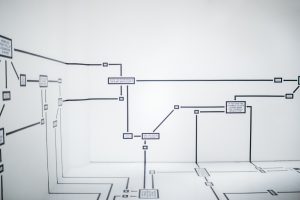
Asana’s Work Graph stores relationships among tasks, projects, goals, and teams. By linking Claude to that model, the chat assistant can pull context and stay aligned with company plans.
Background: Why Work Graph Matters
Work Graph is Asana’s term for its map of work. It links tasks to projects, projects to goals, and goals to company priorities. This helps managers see progress and gaps.
AI assistants need context to act inside a company. Without context, a chat tool may draft text but cannot assign the right owner or set a realistic deadline. Work Graph supplies that context, so the assistant does more than generate words.
Other software makers are racing to connect AI to work systems. Microsoft has Copilot for Microsoft 365. Slack, Atlassian, Notion, and Salesforce have their own assistants. Asana’s bet is that a strong data model gives AI safer and more useful actions.
How It Works For Teams
With the integration, an employee can ask Claude to create a project plan and break it into milestones. The assistant writes those tasks into Asana and links them to team members.
During a chat, a user can ask for status on a deliverable. Claude can return a summary based on Asana data, such as due dates or blockers. The user can then update the plan without switching tools.
- Create tasks and projects from plain language.
- Assign owners and due dates based on team context.
- Summarize progress from existing Asana data.
- Keep a record inside Asana for audits and reviews.
Benefits And Trade-Offs
The promise is speed and clarity. People can capture decisions in the moment and avoid manual entry later. Projects stay tied to goals because the assistant reads the same model used by managers.
There are trade-offs. Companies must decide how much access the assistant should have to internal data. Data security, permission scopes, and audit trails will be top concerns for legal and IT teams.
Accuracy also matters. If a chat prompt is vague, the assistant may mislabel a task or set the wrong owner. Clear prompts and strong defaults can reduce mistakes.
Industry View
Analysts have said that AI assistants work best when connected to trusted systems of record. Project tools, CRMs, and document stores are common targets for integration.
Asana’s approach lines up with this view. By treating the Work Graph as a “context layer,” the company invites other assistants to plug in while keeping governance inside Asana.
Competitors are likely to answer with deeper links to their own data models. The contest will turn on data controls, ease of use, and cross-vendor support.
What To Watch Next
Adoption will depend on policy controls and admin tools. Enterprises will want clear permission models, logging, and the ability to limit actions by role.
Pricing and availability may shape uptake as well. Many firms test assistants in a single department before broader rollout. Proof of value in those pilots will be key.
Developers may ask for APIs that let other bots work with the Work Graph. If the model is open enough, more assistants could create or read structured work safely.
Asana’s link with Claude shows where chat assistants are headed: from conversation to confirmed action. The test now is execution at scale, with accuracy, security, and clear ownership. If those pieces hold, structured work created from chat could become a standard part of daily operations.

Rashan is a seasoned technology journalist and visionary leader serving as the Editor-in-Chief of DevX.com, a leading online publication focused on software development, programming languages, and emerging technologies. With his deep expertise in the tech industry and her passion for empowering developers, Rashan has transformed DevX.com into a vibrant hub of knowledge and innovation. Reach out to Rashan at [email protected]