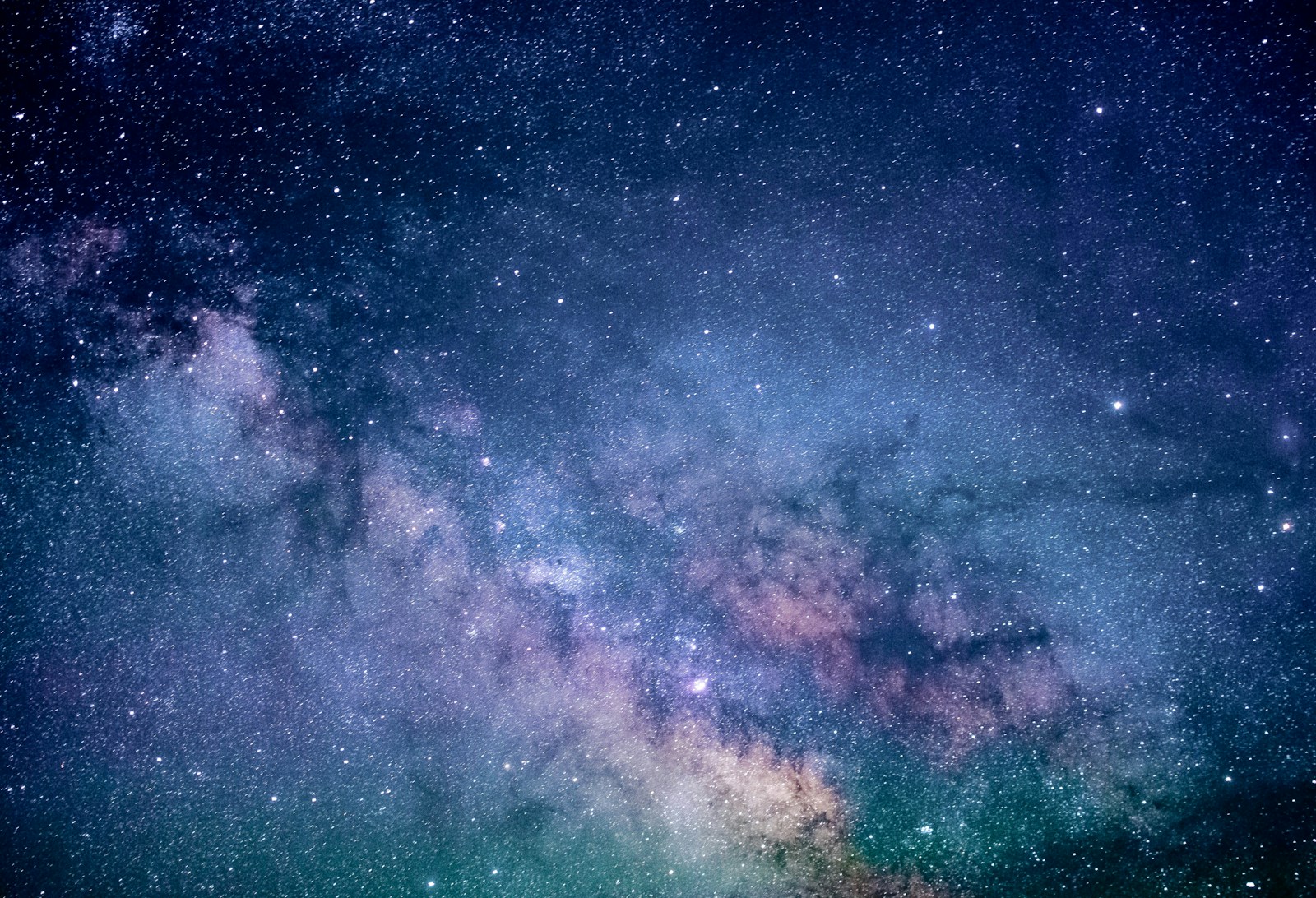
Scientists have discovered the smallest and dimmest galaxy ever detected, orbiting the well-known Andromeda Galaxy approximately 3 million light-years away. This newly found galaxy, named Andromeda XXXV, is transforming our understanding of galactic formation and survival. The discovery was made by a team led by astronomer Marcos Arias from the University of Michigan, using vast astronomical datasets to spot the nearly invisible galaxy.
Eric Bell, a university professor, highlighted the galaxy’s improbability, saying, “It’s like having a perfectly functional human being that’s the size of a grain of rice.”
Dwarf galaxies typically struggle to survive the extraordinarily hot and dense conditions of the early universe, which makes Andromeda XXXV’s discovery captivating for scientists. The study suggests these small galaxies can endure far more extreme conditions without being devoured by larger galaxies than previously thought. The research also sheds new light on galactic evolution, especially concerning lifespans of star formation.
Arias explained, “Most of the Milky Way satellites have very ancient star populations.
discovery of Andromeda’s smallest satellite
They stopped forming stars about 10 billion years ago.” In contrast, Andromeda’s satellite galaxies have been forming stars up until a few billion years ago.
One enigma this discovery poses is the extended period of star formation in Andromeda XXXV. Typically, small galaxies are thought to cease star production when their gas supply runs out or is siphoned off by larger galaxies. However, Andromeda XXXV persisted in forming stars despite the harsh conditions, which Bell describes as a “cosmic murder mystery.
The research, published in a recent scientific journal, introduces new questions about the resilience of such small galaxies.
Plans for future missions aim to uncover additional dwarf galaxies around other large galaxies, hopefully shedding light on the mechanisms that allowed Andromeda XXXV to survive. Arias emphasized the ongoing nature of these discoveries, saying, “We still have a lot to discover. Understanding phenomena like this helps us piece together the history and evolution of the universe.
It shows that even our closest cosmic neighbors hold many secrets yet to be unveiled.”
As the scientific community continues to explore Andromeda XXXV, each new discovery has the potential to deepen our understanding of galaxy formation and survival across the cosmos.
Image Credits: Photo by Jeremy Thomas on Unsplash

Rashan is a seasoned technology journalist and visionary leader serving as the Editor-in-Chief of DevX.com, a leading online publication focused on software development, programming languages, and emerging technologies. With his deep expertise in the tech industry and her passion for empowering developers, Rashan has transformed DevX.com into a vibrant hub of knowledge and innovation. Reach out to Rashan at [email protected]