The humble autopen, a device that mimics a person’s handwriting, is again drawing attention in Washington and beyond. Long a tool for managing a flood of correspondence, it sits at the crossroads of efficiency, transparency, and public trust. The machine’s history stretches back to the 19th century. Its modern use intersects with the daily pressures of the Oval Office and the expectations of voters who want authenticity in a signature.
Presidents have relied on signature machines for decades to sign holiday cards, condolence notes, and thank-you letters. The practice has also raised questions when mechanical signatures appear on policy documents. How leaders use the device—and how it is disclosed—shapes how the public reads their intent.
From 19th-Century Patent to Modern Practice
Mechanical aids to reproduce handwriting emerged in the 1800s. Early inventors created devices to trace and duplicate pen strokes with impressive fidelity. The principle remains the same today: a motor guides a pen along a recorded path of a person’s own signature.
The first autopen was patented in the 1800s and has been used by many American presidents.
By the mid-20th century, the autopen entered government offices. Presidential staff used it to handle massive mail volumes. The White House mailroom often processed tens of thousands of items each week. A device that preserved a leader’s handwriting style while saving time quickly became standard equipment.
Where Convenience Meets Controversy
Most uses of signature machines are routine and widely accepted. Personalized notes, certificates, and keepsakes are typical examples. Problems arise when an autopen signature appears on a document that carries legal or political weight. That line can be difficult for the public to see from the outside.
Past administrations have faced scrutiny over auto-signed letters to families of service members and constituents. Supporters argue that timely acknowledgment matters more than the tool. Critics counter that a mechanical signature can feel impersonal when stakes are high.
Legal debate has occasionally flared over the validity of such signatures on bills and executive actions. Counsel to presidents have noted that delegation and mechanical assistance are longstanding administrative tools. Still, the optics can overshadow the legal fine print. Voters often equate a hand-signed line with personal attention and accountability.
How the White House Handles Signatures
A typical process begins with staff drafting and vetting language. Communications and correspondence offices then prepare batches for signature. Autopen use is usually reserved for high-volume items or standardized messages. Sensitive letters or top-tier ceremonial documents often receive live signatures.
- Autopen: used for routine, high-volume correspondence.
- Live signature: prioritized for sensitive, ceremonial, or unique items.
- Disclosure: best practice is to note when a signature is applied mechanically.
Clear labeling helps manage expectations. Some offices imprint a small notation or maintain internal logs. When questions arise, those records can show when, why, and how a signature was applied.
Public Expectations and the Authenticity Test
The rise of digital tools adds another layer. As electronic documents spread, the meaning of a “real” signature keeps evolving. The autopen sits between paper tradition and modern automation. People still assign symbolic value to ink on paper. That symbolism can amplify criticism if a mechanical pen stands in for the person.
Ethics experts often recommend a simple standard: disclose the method for signatures on items that matter to recipients or carry public significance. That approach balances workload with respect for the record.
What Comes Next
Autopen technology will likely remain part of government and corporate workflows. The volume of communications is not shrinking, and time remains scarce for top officials. Best practices are moving toward transparency and clear policies. Offices that publish guidelines, track usage, and set thresholds for live signatures reduce confusion and backlash.
The long arc of the autopen shows how small tools can shape public perception. The debate is less about motors and pens, and more about trust. As leaders confront heavier correspondence and faster news cycles, the signature’s meaning—personal attention, responsibility, and authenticity—will keep driving how the device is used and explained.
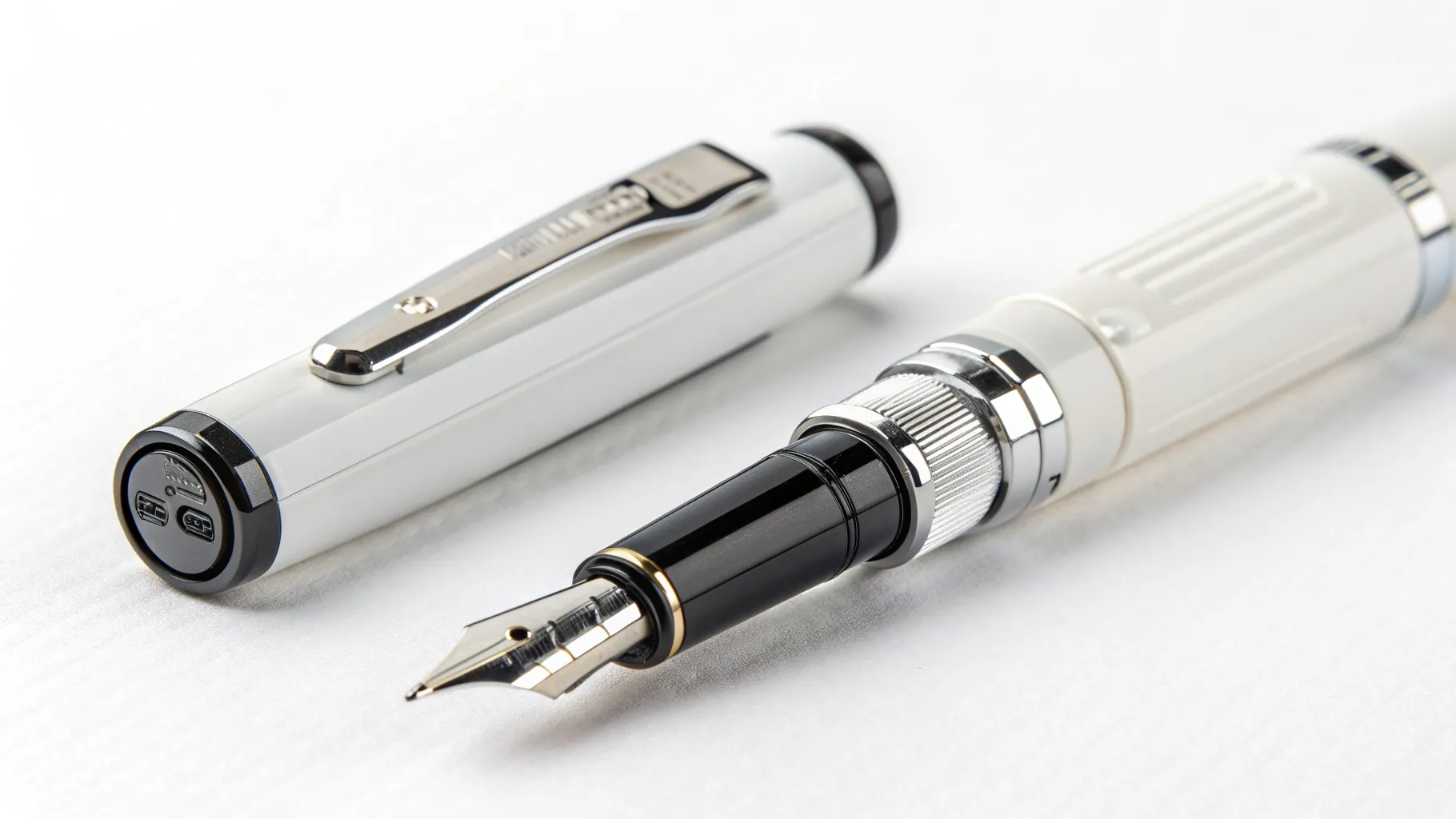
For now, the guidance is simple. Use the autopen for volume, reserve the fountain pen for moments that demand a human touch, and say which is which. That clarity will matter the next time a signature starts a national conversation.

Rashan is a seasoned technology journalist and visionary leader serving as the Editor-in-Chief of DevX.com, a leading online publication focused on software development, programming languages, and emerging technologies. With his deep expertise in the tech industry and her passion for empowering developers, Rashan has transformed DevX.com into a vibrant hub of knowledge and innovation. Reach out to Rashan at [email protected]