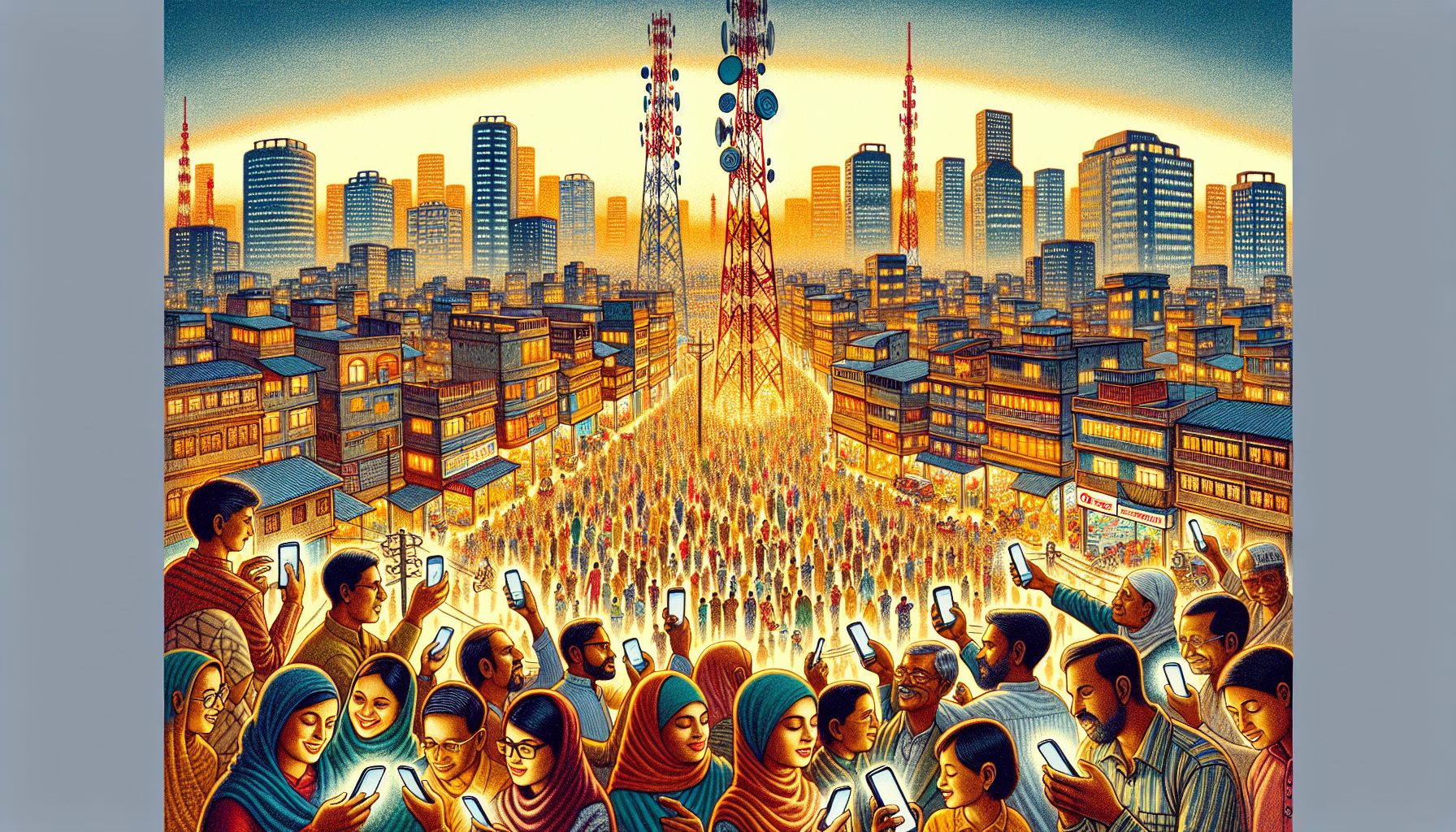
The 4G internet service has been resumed across the country from 3 pm on Sunday (July 28). Users of all operators will get 5GB internet bonus which will be valid for the next three days.
– Palakhttps://t.co/jiHzTIHaPj— Zunaid Ahmed Palak (@zapalak) July 28, 2024
Bangladesh is slowly returning to normalcy after more than a week of violent clashes triggered by student protests over a quota system in government jobs. The protests erupted following a Supreme Court verdict that scaled back the controversial quota, leading to deadly confrontations that claimed nearly 200 lives, according to the Bengali-language daily Prothom Alo. Despite the apparent calm, Dhaka remains under curfew, although authorities relaxed the restrictions for seven hours on Wednesday.
Mobile internet services will be restored from 3pm today (28 July). Users of all operators will get 5GB internet bonus which will be valid for the next three days.
– Palakhttps://t.co/DXPZMzuoKE— Zunaid Ahmed Palak (@zapalak) July 28, 2024
This allowed thousands of cars to return to the streets, and offices, banks, and garment factories opened for limited hours. Prime Minister Sheikh Hasina has vowed that perpetrators of the violence will face justice, with nearly 2,700 people arrested in recent days, including many opposition supporters. Educational institutions remain closed until further notice.
Bangladesh will restore mobile internet connectivity by Sunday 3PM in Bangladesh Time. https://t.co/tL0zUCasZr
— Ayanangsha Maitra (@Ayanangsha) July 28, 2024
The student protests, which began on July 15, were initially peaceful but turned violent after the main opposition Bangladesh Nationalist Party (BNP) and the right-wing Jamaat-e-Islami party extended their support. The protesters demanded an end to the quota that reserved 30% of government jobs for relatives of veterans who fought in the country’s 1971 independence war.
Bangladesh curfew relaxed amid tensions
On Sunday, the Supreme Court ordered that 93% of civil service jobs be merit-based, with the remaining 7% reserved for ethnic minorities, transgender individuals, and disabled people. The government has accepted the court’s ruling and said it is ready to implement it. The protests have posed the most serious challenge to Hasina’s government since the January elections, which were boycotted by the main opposition groups.
During the unrest, government establishments in Dhaka came under attack, resulting in the destruction of the state-run Bangladesh Television headquarters and other key installations. Authorities have begun restoring internet services gradually, but social media sites like Facebook and Instagram remain blocked. A curfew with a shoot-on-sight order was implemented, and about 27,000 soldiers have been deployed to assist in maintaining law and order.
Mohammad Ali Arafat, the junior minister for information and broadcasting, announced that a judicial inquiry led by a Supreme Court judge would determine the official casualty figures. This unfolding situation reveals the complex socio-political landscape of Bangladesh and highlights the deep-rooted tensions between the government and opposition forces in the country.

Johannah Lopez is a versatile professional who seamlessly navigates two worlds. By day, she excels as a SaaS freelance writer, crafting informative and persuasive content for tech companies. By night, she showcases her vibrant personality and customer service skills as a part-time bartender. Johannah's ability to blend her writing expertise with her social finesse makes her a well-rounded and engaging storyteller in any setting.