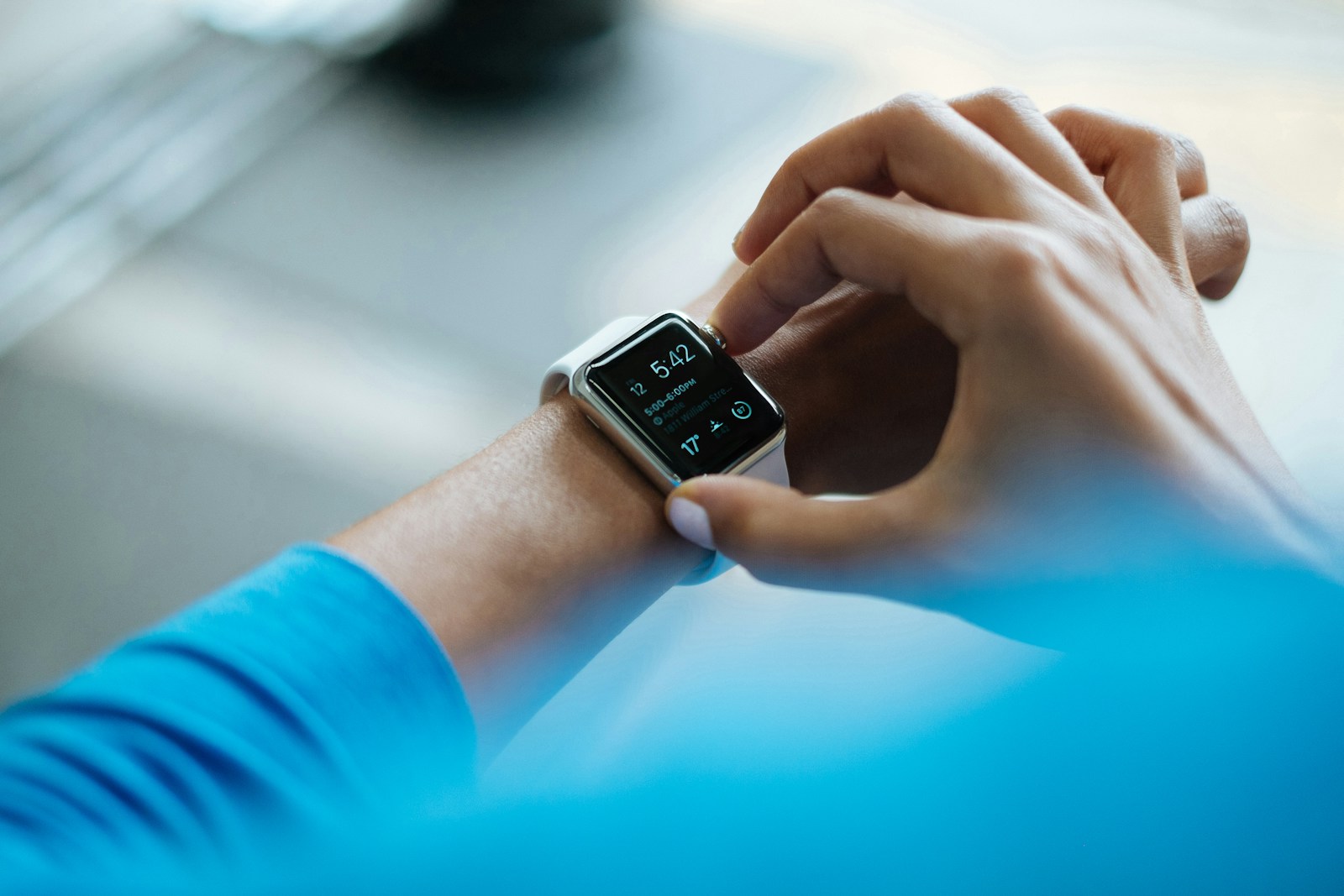
As fitness trackers and smartwatches grow more capable, one familiar complaint keeps returning: limited battery life. Users want devices that track workouts and health continuously, without nightly charging. The tension between power-hungry features and small batteries is shaping design choices across the wearables market, from premium smartwatches to minimalist fitness bands.
“These wearables can track workouts and collect health data, but often not for as long as users would like.”
Manufacturers face a simple trade-off. More sensors and brighter screens drain batteries. Yet consumers expect accurate heart rate, GPS, sleep analysis, oxygen monitoring, stress metrics, and alerts. Companies are racing to balance convenience and capability while trying to keep devices thin and comfortable.
Short Battery Life, Big Expectations
Battery life has become a top buying factor for wearables. Smartwatches with high-resolution displays and always-on features often last one to two days per charge. Fitness trackers with simpler screens can stretch to several days. Endurance models that favor low-power components may reach a week or more.
Weekend athletes want multi-hour GPS tracking without a mid-run recharge. Office workers want all-day health metrics and sleep tracking at night. Parents and shift workers want devices that fit unpredictable schedules. A single specification must satisfy competing needs, and that is difficult with small form factors.
Trade-Offs in Design and Features
Engineers optimize several parts at once. Displays consume significant power, especially in always-on modes. GPS and dual-frequency tracking provide better accuracy for runners and cyclists, but they are power intensive. Continuous heart rate and SpO2 monitoring add precision, but increase drain. LTE connectivity, if offered, can shorten time between charges further.
To offset power use, companies add larger batteries or reduce consumption. Both paths have costs. Bigger batteries add weight and thickness, affecting comfort and style. Aggressive power saving can reduce sampling frequency, lower screen brightness, or pause certain sensors, which affects data quality.
User Workarounds and Industry Responses
Users adapt with charging routines and mode changes. Many charge during showers or while seated at a desk. Others disable always-on screens, lower GPS accuracy, or turn off 24/7 SpO2 to extend life. Some keep two devices: a smartwatch for daily use and a sport watch for long workouts.
- Charge during short daily windows to preserve sleep tracking.
- Use lower-power GPS modes for long events.
- Limit constant SpO2 or stress tracking if not essential.
Manufacturers are responding with low-power chipsets, efficient displays, and smarter sampling. Ultra-low-power modes now keep basic step counting and notifications active for days. Multi-band GPS is paired with adaptive algorithms that switch tracking levels mid-activity. Some devices offer battery saver profiles that can be toggled before a long hike or race.
What Longer Life Could Enable
Longer battery life could expand the value of health metrics. Continuous weeklong wear would improve sleep consistency, resting heart rate trends, and readiness scores. Fewer gaps mean clearer signals for training load, recovery, and stress. People with chronic conditions could benefit from round-the-clock data without charging interruptions.
Developers also see opportunities in passive monitoring. Fall detection, arrhythmia screening, or respiratory alerts work best when devices never leave the wrist. Better uptime enhances safety features and adherence. In workplace wellness programs, fewer charging interruptions can raise participation and data completeness.
Balancing Accuracy, Comfort, and Cost
Price and materials matter. Premium devices pack advanced sensors and bright screens, but they cost more and often need daily charging. Sport-focused models use transflective or low-power displays to prioritize days-long battery life. Rings and bands trade screen features for comfort and longer wear, but they may limit on-device interactions.
No single product satisfies every user. Elite runners value accurate multi-hour GPS above rich apps. Casual users favor notifications and apps over endurance. Health-focused users want reliable sleep and recovery trends. The market’s variety reflects these different priorities.
The frustration is real, and the tension will continue as features expand. The near-term path is smarter power management, clearer modes, and honest battery claims for different usage patterns. For now, buyers should match devices to their routines and adjust settings for the features that matter most. Watch for incremental gains from new chips, display tech, and software—even small efficiency wins can add precious hours between charges.

Rashan is a seasoned technology journalist and visionary leader serving as the Editor-in-Chief of DevX.com, a leading online publication focused on software development, programming languages, and emerging technologies. With his deep expertise in the tech industry and her passion for empowering developers, Rashan has transformed DevX.com into a vibrant hub of knowledge and innovation. Reach out to Rashan at [email protected]