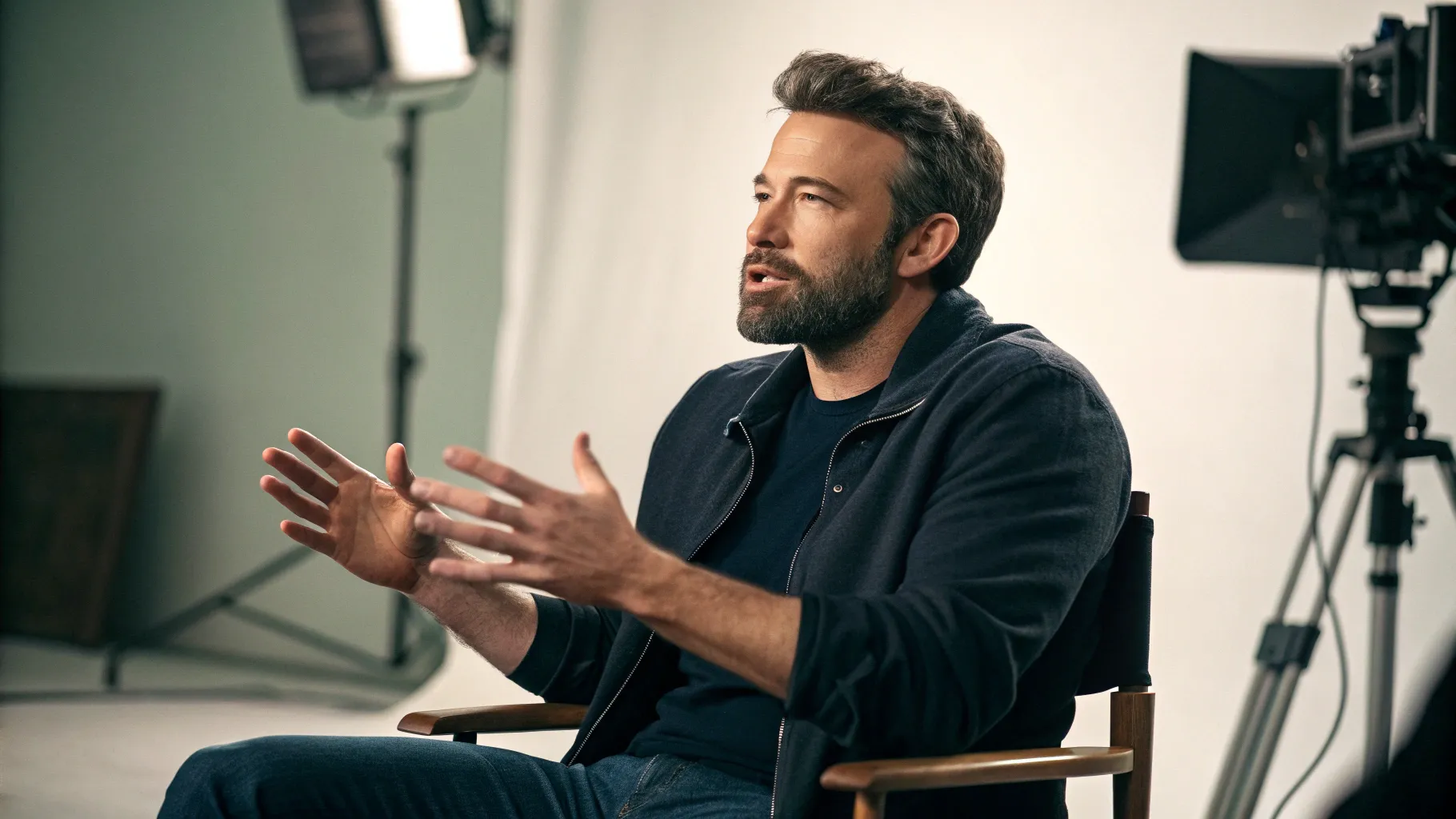
Speaking on Friday during an appearance on “The Joe Rogan Experience,” actor and director Ben Affleck argued that generative artificial intelligence will serve filmmakers as a practical aid rather than a replacement for human storytellers. He likened it to the rise of visual effects, saying AI would be a tool, not an author.
Affleck questioned claims that machines will soon create hit films or write resonant scripts on their own. His comments arrive as Hollywood debates how to use new software while protecting creative jobs and artistic voice.
“A Tool, Just Like Visual Effects”
“It’s going to be a tool, just like visual effects.”
“I don’t think it’s very likely that it’s gonna be able to write anything meaningful, or that it’s going to be making movies from whole cloth… That’s bullshit.”
Affleck’s stance reflects a growing belief among many directors: AI can help plan shots, clean up dialogue, or test story beats, but it cannot replace human taste or life experience. He dismissed the idea that end-to-end, automated moviemaking is near.
Hollywood’s Ongoing AI Debate
The film and TV business has wrestled with AI since the 2023 writers’ and actors’ strikes put guardrails on its use. The Writers Guild of America allowed AI as an optional aid but kept credit and compensation tied to human work. Actors raised alarms about digital doubles and consent for face and voice replicas.
Studios and streamers have tested AI for script summaries, subtitling, dubbing, and marketing. VFX teams use machine learning for de-aging, cleanup, and rotoscoping. These steps cut time on repetitive tasks but stop short of fully automated storytelling.
Supporters See Efficiency, Not Authorship
Technologists argue that new video and image generators can accelerate pre-production. Tools can storyboard scenes, suggest shot lists, and visualize sets before a single frame is shot. Software from companies like Runway and OpenAI has shown rapid gains in generating short video clips from text prompts.
Producers who favor these tools say the gains free crews to focus on performance, pacing, and tone. They add that AI can extend indie budgets, giving smaller teams access to effects once reserved for large franchises.
Skeptics Warn About Quality And Control
Writers and directors counter that models remix existing work and can produce clichés or incoherent plots. They also warn of legal and ethical risks if training data includes scripts or performances without consent. For actors, the core fear is the use of digital replicas without fair pay or meaningful approval.
Affleck’s view fits this camp on authorship. He believes empathy, humor, and subtext emerge from lived experience. In his view, those qualities are hard to reduce to patterns in data.
Tool Versus Talent
The industry is converging on a middle path: AI as an assistant under human control. Common uses include:
- Previsualizing scenes and testing edits.
- Translating and dubbing while preserving performance timing.
- Cleaning audio and removing visual glitches.
The more controversial ideas—machine-written scripts or fully AI-generated features—face artistic, legal, and union barriers. Even executives open to automation say audiences can sense hollow writing.
What To Watch Next
Several questions now shape the next phase. Will contracts continue to protect credit and consent as tools improve? Can studios document training data to reduce legal risk? And can AI help projects finish faster without flattening voice?
Affleck’s comments sharpen the line between help and authorship. He welcomes AI for its utility but rejects claims that it can carry a film’s soul. For now, Hollywood’s near-term future looks like a hybrid: software in the background, people in charge.
The next test will be whether audiences reward films that use AI to save time while keeping human judgment at the center. If box office and awards continue to favor strong writing and performance, the tool-not-author model that Affleck describes may hold.

A seasoned technology executive with a proven record of developing and executing innovative strategies to scale high-growth SaaS platforms and enterprise solutions. As a hands-on CTO and systems architect, he combines technical excellence with visionary leadership to drive organizational success.