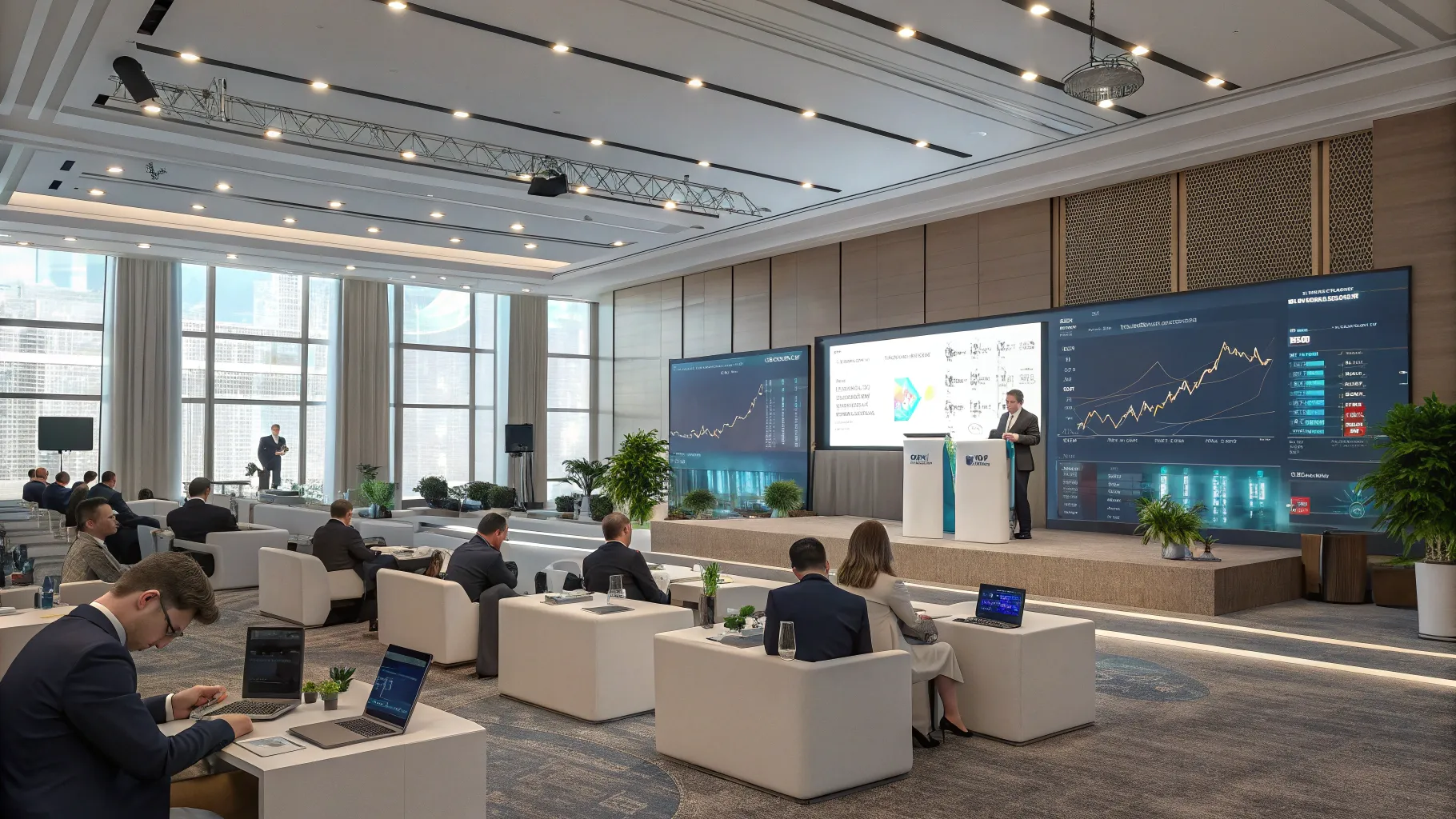
With AI spending surging and results under scrutiny, the annual Celosphere conference returns next week with a clear promise: prove the returns or change the approach. Organizers say the program will focus on how companies can measure, track, and improve payback from AI projects that have spread across finance, operations, and customer service.
The gathering arrives as CFOs and technology leaders press for tangible gains. Many firms have piloted generative tools and automation but still struggle to link them to cash flow, productivity, or risk reduction. Celosphere’s agenda zeroes in on that gap and sets expectations for clearer measurement and governance.
“Next week’s Celosphere 2025 tackles the AI ROI challenge head-on.”
Why ROI Still Lags AI Adoption
Enterprises moved fast on AI during the past two years, adding copilots, chatbots, and code assistants. Yet key hurdles keep returns uneven. Models need high-quality data. Workflows must change. And teams require training to turn pilots into standard practice.
Procurement and finance leaders also want consistent metrics. Efficiency gains often appear as time saved, not direct costs removed. Some value shows up in fewer errors, safer operations, or faster cycle times. These benefits are real but hard to compare across business units.
That pressure explains the focus at Celosphere. Programs on process improvement, data readiness, and cost tracking suggest a push to connect AI features to measurable business outcomes, not just demos.
What Attendees Expect To Learn
Conference materials highlight practical guidance on measuring value and scaling what works. Sessions are expected to cover governance, change management, and process design alongside model performance.
- How to build a clear ROI baseline before pilots start.
- Which metrics matter for productivity, quality, and risk.
- How to redesign workflows to capture gains, not just test features.
- Where data quality and access block returns.
Technology leaders often seek a template: a repeatable way to choose use cases, estimate impact, and track benefits over time. The event’s focus suggests a move away from tool-first decisions and toward operational outcomes that finance can validate.
Voices From The Field
The tone of the event centers on accountability. As the announcement puts it, the program will “tackle the AI ROI challenge head-on.” That language aligns with what many CIOs and COOs have reported: the need to tie pilots to revenue, cost, and risk metrics from the start.
Industry analysts point to three patterns among projects that deliver:
- They target processes with clear bottlenecks and known costs.
- They combine automation with policy and training, not technology alone.
- They track outcomes with an agreed baseline and time frame.
Skeptics warn that inflated expectations can still erode trust. Without operational changes, AI tools can add steps rather than remove them. Advocates counter that, when applied to well-mapped processes, automation and decision support shorten cycle times and reduce rework.
The Measurement Playbook
A common request from finance teams is proof that the savings stick. That means careful scoping and strict tracking. Attendees are likely to hear guidance on linking AI features to specific process stages and setting control groups to verify gains.
Another focus is total cost. Subscription fees and usage charges are only part of the picture. Data preparation, security reviews, prompt engineering, and change management also drive costs. A full view of spend helps teams compare benefits fairly.
Case-style sessions often emphasize quick wins that fund further work. Examples include faster invoice handling, order fulfillment, and claims processing. These areas have clear baselines and frequent transactions, making them easier to measure than one-off tasks.
What Comes Next For AI Programs
Attendees will look for signs that AI projects can mature from pilots to steady operations. That means standard dashboards, ongoing model checks, and a mechanism to update workflows as models improve. It also means stronger collaboration among IT, finance, and frontline teams.
If the event delivers practical templates and shared metrics, it could shift how executives approve and scale AI. The emphasis on process and data suggests a path to durable gains rather than one-off experiments.
The message is direct and timely: focus on business outcomes first, and let those outcomes guide the tools that follow.
As firms consider their next wave of investments, many will watch for three signals out of Celosphere: clearer ROI baselines, credible case studies with audited results, and playbooks that reduce the time from pilot to production. If those emerge next week, the AI conversation may move from promise to proof.

Deanna Ritchie is a managing editor at DevX. She has a degree in English Literature. She has written 2000+ articles on getting out of debt and mastering your finances. She has edited over 60,000 articles in her life. She has a passion for helping writers inspire others through their words. Deanna has also been an editor at Entrepreneur Magazine and ReadWrite.