England’s Children’s Commissioner has urged authorities to address what they describe as a significant online safety gap for young people. In a recent BBC interview, the commissioner labeled virtual private networks (VPNs) as a “loophole that needs closing” in the context of child online protection measures.
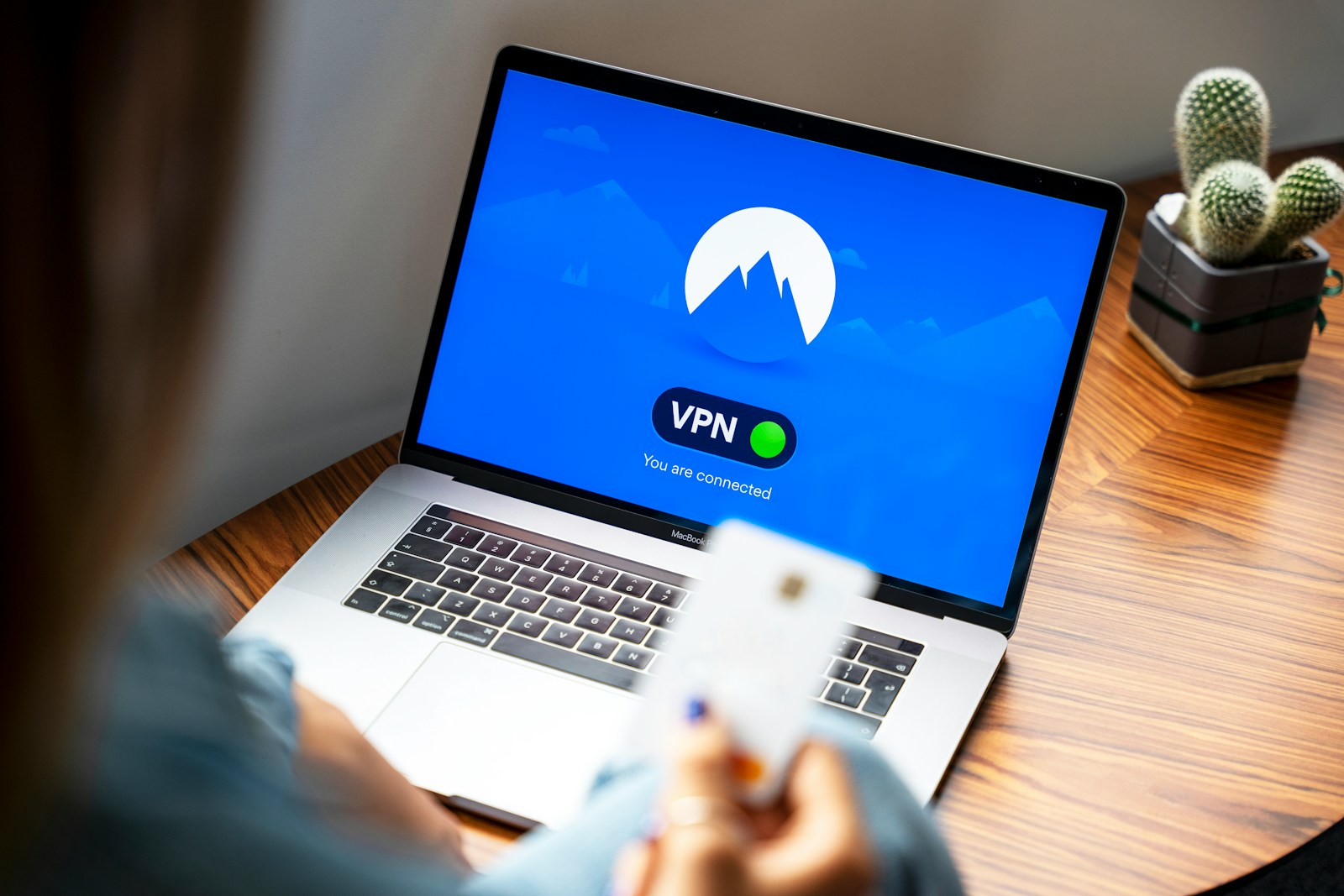
The statement comes amid growing concerns about children using VPNs to bypass age verification systems and access restricted content online. VPNs, which mask users’ locations and identities by routing internet traffic through servers in different countries, have become increasingly accessible to young users.
Safety Concerns and Regulatory Gaps
The commissioner’s comments highlight the challenges facing regulators as they attempt to implement effective online safety measures for children. While the UK has introduced various safeguards to protect minors online, VPN technology presents a significant obstacle to these efforts.
VPNs allow users to circumvent regional restrictions and access content that might otherwise be blocked in their location. For children, this can mean gaining entry to age-inappropriate websites, applications, or social media platforms despite parental controls or national regulations.
“This is a loophole that needs closing,” the commissioner told the BBC, emphasizing the urgency of addressing this technological workaround that undermines existing protection frameworks.
Technical Challenges and Potential Solutions
Restricting VPN access presents complex technical and legal challenges. VPNs serve legitimate purposes for many users, including:
- Privacy protection when using public Wi-Fi networks
- Secure access to work networks for remote employees
- Protection from surveillance in countries with limited internet freedom
Any regulation would need to balance these legitimate uses against child safety concerns. Experts suggest that rather than outright bans, more nuanced approaches might include age verification for VPN services or enhanced detection of VPN use by platforms offering age-restricted content.
Broader Online Safety Initiatives
The commissioner’s call for VPN restrictions fits into a wider framework of online safety measures being developed and implemented in the UK. The Online Safety Bill, which aims to make the UK “the safest place in the world to be online,” includes provisions for protecting children from harmful content.
Digital literacy education has also been identified as a critical component of any comprehensive approach. Teaching children about online risks and responsible internet use may prove more effective than technical restrictions alone.
Parents’ groups have expressed support for the commissioner’s position, with many reporting difficulties in monitoring their children’s online activities when VPNs are used. However, digital rights organizations caution against measures that might restrict legitimate privacy tools or create a precedent for broader internet censorship.
The government has not yet announced specific plans to regulate VPN access for minors, but the commissioner’s public statement signals that this issue has reached a higher level of priority among child protection authorities.
As technology continues to evolve, the challenge of keeping children safe online while respecting privacy and access rights remains a complex balancing act for policymakers, parents, and technology companies alike.

Rashan is a seasoned technology journalist and visionary leader serving as the Editor-in-Chief of DevX.com, a leading online publication focused on software development, programming languages, and emerging technologies. With his deep expertise in the tech industry and her passion for empowering developers, Rashan has transformed DevX.com into a vibrant hub of knowledge and innovation. Reach out to Rashan at [email protected]