Rice crops are absorbing more arsenic from the soil due to climate change. A new study found that higher temperatures and carbon dioxide levels cause rice plants to grow more roots. This allows them to take up more arsenic from the soil.
The researchers studied 28 varieties of rice over a period of almost 10 years in China. They discovered that the combination of warmer temperatures and more CO2 stimulated root growth in the rice plants. More roots meant the plants could absorb more arsenic.
Climate change is also altering the soil’s chemistry. Carbon dioxide-enriched crops capture more carbon from the air. Some of this carbon gets pumped into the soil, which feeds bacteria that produce arsenic.
Climate change boosts arsenic uptake
Warmer temperatures cause these bacteria to multiply. When rice paddies are flooded with water, the soil loses oxygen.
This makes the bacteria rely more on arsenic to create energy. As a result, more arsenic builds up in the rice paddy. The extra roots then take up this arsenic into the developing rice grains.
The findings underscore the urgent need for global agricultural practices to adapt to the realities of climate change,” said the study authors. Without intervention, the staple food that feeds over half the world’s population may become a significant health hazard in the not-so-distant future.
Corey Lesk, a climate and crop researcher not involved with the study, noted the surprising effects. The paradox is that both of these outcomes have been discussed as potential benefits to rice yields under climate change,” he said.
However, the increased accumulation of arsenic now poses a serious concern.
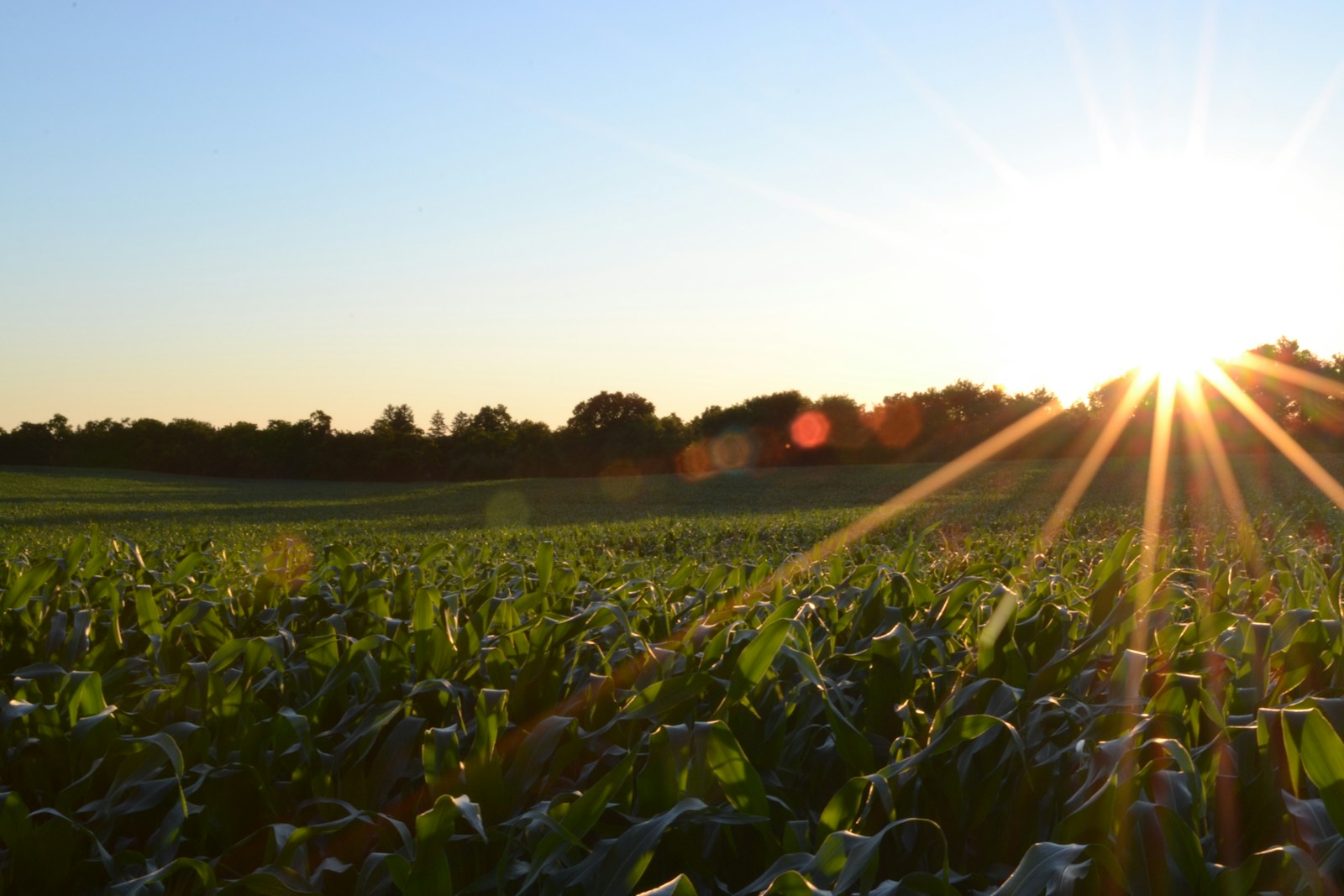
Image Credits: Photo by Jake Gard on Unsplash

Cameron is a highly regarded contributor in the rapidly evolving fields of artificial intelligence (AI) and machine learning. His articles delve into the theoretical underpinnings of AI, the practical applications of machine learning across industries, ethical considerations of autonomous systems, and the societal impacts of these disruptive technologies.