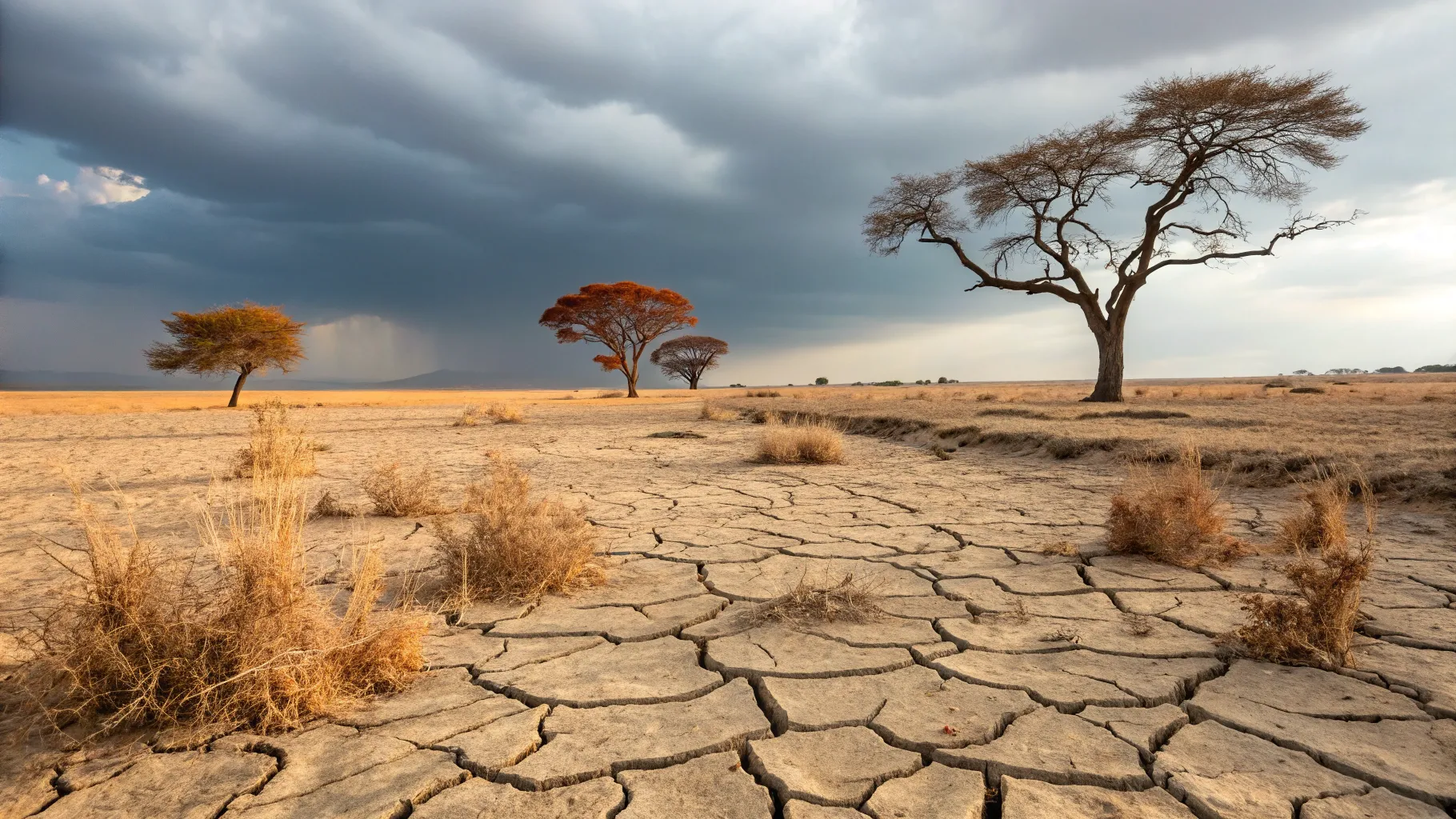
A new warning from a coalition of climate groups says the world is off track on nearly every measure that matters. The groups report that the pace of emission cuts, clean energy deployment, and climate finance is lagging. The alarm lands as governments prepare new plans and businesses weigh large energy investments. The message is direct and urgent: time is running out to hold warming in check.
“By virtually every key metric, efforts to fight climate change are going too slowly. In some cases, things are moving in the wrong direction.”
The Warning
The coalition’s statement reflects growing concern from scientists, advocates, and many investors. Their view is that progress, while real in some sectors, is not matching the scale of the challenge. The Paris Agreement set goals to limit warming to 1.5 degrees Celsius, or well below 2 degrees. That requires steep cuts in greenhouse gas emissions this decade.
Recent assessments support the concern. United Nations reports have found current national pledges fall short of the required path. The International Energy Agency has noted that energy-related emissions reached a new high in 2023, even as growth slowed and clean power expanded. Extreme weather losses continue to rise, putting pressure on public budgets and insurance systems.
What the Data Shows
The picture is mixed across sectors. The power sector is adding wind and solar capacity at record levels, yet fossil fuel generation still dominates in many regions. Transport emissions remain stubborn as electric vehicle growth competes with larger, heavier cars and rising travel demand. Buildings and heavy industry show slow progress, weighed down by high upfront costs and long asset lifetimes.
- Power: Clean energy is rising fast, but coal and gas use remain high.
- Transport: EV sales are growing, yet oil demand for road travel is still strong.
- Industry and buildings: Efficiency gains are uneven and retrofits lag needs.
- Finance: Support for adaptation and loss-and-damage is below agreed targets.
Advocates say these trends confirm the coalition’s warning. The gap between promises and delivery persists, and that gap widens each year delays continue.
Barriers to Faster Action
Policy uncertainty is a central obstacle. Businesses say they need clear rules on permitting, grid upgrades, and carbon standards to invest at scale. Supply chains for critical minerals and clean tech parts remain tight. Communities face concerns about siting large projects. In many emerging economies, borrowing costs are high, limiting access to clean power and resilient infrastructure.
Political cycles also slow momentum. Elections and shifting priorities can stall climate bills and delay budgets. Some industry groups argue for a measured pace to protect jobs and energy security. They warn that rushing could raise costs for households. Environmental groups counter that delay is more expensive, citing disaster recovery and health costs linked to pollution.
Signs of Progress and Tension
There are bright spots. More countries are adopting clean power targets. Heat pump sales are climbing in several markets. Methane controls in oil and gas are gaining attention. Major automakers plan wider electric lineups, and battery plants are opening in new regions.
Yet these gains face headwinds. Grid congestion is slowing renewable connections. Interconnection queues stretch for years. Permitting for transmission lines lags demand. Skilled labor shortages are common, and public opposition to new infrastructure remains a hurdle.
Implications for the Next Decade
The coalition’s finding hints at a critical stretch between now and 2030. Analysts say the next steps should focus on speed and scale. Three areas stand out:
- Accelerate grid build-out and storage to absorb more wind and solar.
- Cut methane quickly in energy and agriculture to reduce near-term warming.
- Lower financing costs in developing countries through guarantees and blended capital.
Experts also call for aligning industrial policy with climate goals. That includes standardizing rules, streamlining permits, and investing in workforce training. Clear carbon rules can shift markets toward cleaner steel, cement, and fuels.
Perspectives From Stakeholders
Climate advocates point to the moral and economic case for urgency. “Delay locks in pollution and damages that hit the most vulnerable first,” one organizer said. Business leaders ask for predictability. “We can invest billions if the policy path is stable,” said an energy executive. Local officials ask for funding to upgrade grids, ports, and public transit, arguing that community benefits must be part of the plan.
The coalition’s blunt assessment is hard to ignore. Progress exists, but the pace is not enough to meet stated goals. The coming policy cycles will reveal whether governments close the gap between pledge and practice. Watch for moves on grid permits, methane rules, and climate finance. Those decisions will signal whether the world can shift the trend line in time.

Rashan is a seasoned technology journalist and visionary leader serving as the Editor-in-Chief of DevX.com, a leading online publication focused on software development, programming languages, and emerging technologies. With his deep expertise in the tech industry and her passion for empowering developers, Rashan has transformed DevX.com into a vibrant hub of knowledge and innovation. Reach out to Rashan at [email protected]