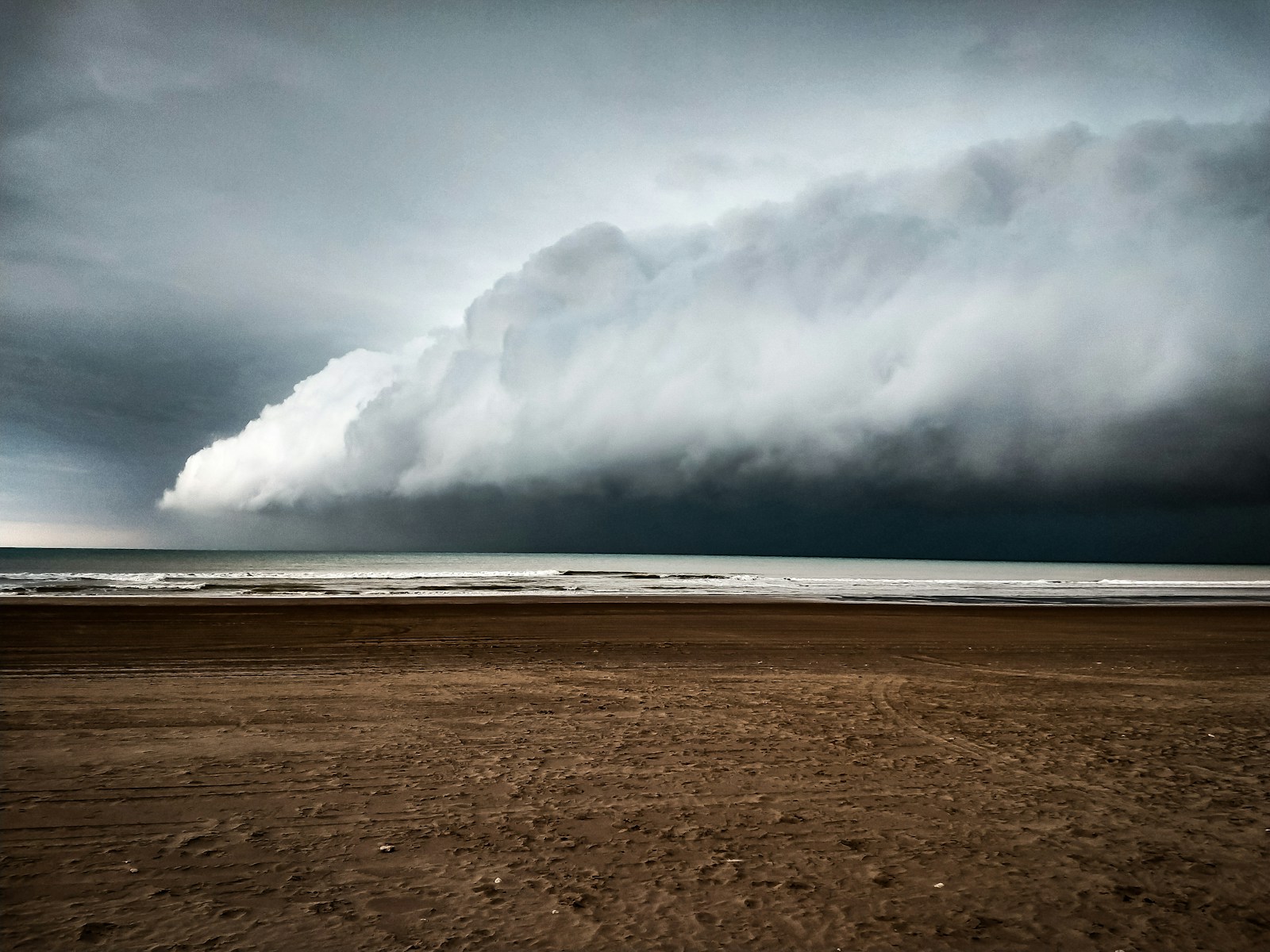
A storm system currently moving parallel to the eastern seaboard of the United States is forecast to grow in size and intensity in the coming days, meteorologists warn. This expansion will likely generate hazardous rip currents along beaches, creating potentially dangerous conditions for swimmers and beachgoers.
The offshore system, while not making direct landfall, poses significant risks as it travels northward along the Atlantic coast. Weather officials are urging coastal residents and visitors to exercise caution and stay informed about local beach conditions.
Growing Threat to Coastal Areas
According to weather forecasts, the storm system is expected to strengthen as it moves along the coast. Though maintaining a parallel track offshore, its expanding size means its effects will be increasingly felt along beaches from the Southeast to the Mid-Atlantic and potentially the Northeast.
Rip currents, which are powerful, narrow channels of water flowing away from shore, represent the primary hazard associated with this system. These currents can pull swimmers away from the beach at speeds up to 8 feet per second—faster than Olympic swimmers can move.
“The combination of the storm’s growing size and its proximity to the coast creates ideal conditions for rip current formation,” a meteorologist explained. “Even on seemingly calm days, these currents can form suddenly and without obvious warning signs to casual observers.”
Safety Concerns and Precautions
Beach safety officials are preparing for increased rescue operations in the coming days. The timing is particularly concerning as many coastal areas are still experiencing high tourism numbers in the late summer season.
Authorities recommend the following safety measures for beachgoers:
- Swim only at beaches with lifeguards on duty
- Check local weather and beach condition reports before heading out
- Learn how to identify and escape rip currents
- Never swim alone, regardless of skill level
If caught in a rip current, swimmers should remain calm, avoid fighting against the current, and swim parallel to the shoreline until free from the current’s pull before heading back to shore.
Forecast Timeline
The storm’s effects are expected to intensify over the next 48-72 hours. Weather models indicate the system will continue its northward trajectory while gradually expanding in diameter and strength.
Coastal areas will likely experience increased wave heights, stronger and more frequent rip currents, and possible beach erosion in vulnerable areas. While significant rainfall is not expected for most coastal communities, some outer bands of the storm may bring periodic showers to immediate coastal areas.
Marine forecasts also indicate deteriorating conditions for boaters, with small craft advisories likely to be issued or extended along much of the eastern seaboard.
Local emergency management agencies are monitoring the situation closely and coordinating with beach patrols to ensure adequate staffing during this period of increased risk. Some jurisdictions may opt to restrict swimming at certain beaches if conditions become particularly dangerous.
Residents and visitors to coastal areas should stay informed through local news, weather services, and beach patrol announcements as the situation develops in the coming days.

A seasoned technology executive with a proven record of developing and executing innovative strategies to scale high-growth SaaS platforms and enterprise solutions. As a hands-on CTO and systems architect, he combines technical excellence with visionary leadership to drive organizational success.