Engineers at Columbia University have developed a groundbreaking 3D photonic-electronic chip that could transform AI hardware. The new chip design significantly improves energy efficiency and bandwidth, overcoming one of AI’s most pressing challenges: energy-hungry data transfer. The research, led by Keren Bergman, Charles Batchelor Professor of Electrical Engineering, combines light-based data movement with CMOS electronics.
The work, published in Nature Photonics, introduces an innovative approach that integrates photonics with advanced complementary metal-oxide-semiconductor (CMOS) electronics, enabling high-speed, energy-efficient data communication. In this work, we present a technology capable of transferring vast volumes of data with unprecedentedly low energy consumption,” Bergman said. This innovation breaks through the long-standing energy barrier that has limited data movement in traditional computer and AI systems.
The Columbia Engineering team collaborated with Alyosha Molnar, Ilda, and Charles Lee, Professor of Engineering at Cornell University, to develop a 3D-integrated photonic-electronic chip.
The chip features a high density of 80 photonic transmitters and receivers within a compact footprint. This platform delivers high bandwidth (800 Gb/s) with exceptional energy efficiency, consuming just 120 femtojoules per bit. With a bandwidth density of 5.3 Tb/s/mm², this innovation far exceeds existing benchmarks.
Columbia engineers’ photonic chip breakthrough
Designed for low-cost, the chip integrates photonic devices with CMOS electronic circuits and utilizes components manufactured in commercial foundries. This sets the stage for widespread industry adoption.
The team’s research redefines how data is transmitted between compute nodes, addressing long-standing energy efficiency and scalability bottlenecks. By 3D-integrating photonic and electronic chips, this technology achieves unmatched energy savings and high bandwidth density, breaking free from traditional data locality constraints. This innovative platform enables AI systems to efficiently transfer vast volumes of data, supporting distributed architectures that were previously impractical due to energy and latency limitations.
The advancements made by the Columbia Engineering team are poised to unlock unprecedented performance levels, making this technology a cornerstone of future computing systems. Applications range from large-scale AI models to real-time data processing in autonomous systems. Beyond AI, this approach holds transformative potential for high-performance computing, telecommunications, and disaggregated memory systems, signaling a new era of energy-efficient, high-speed computing infrastructure.
The collaborative research included contributions from Cornell University’s Molnar lab, the Air Force Research Laboratory, and Dartmouth College. The project received funding from the Defense Advanced Research Projects Agency (DARPA) and the Advanced Research Projects Agency-Energy (ARPA-E), emphasizing its critical role in advancing national technological capabilities.
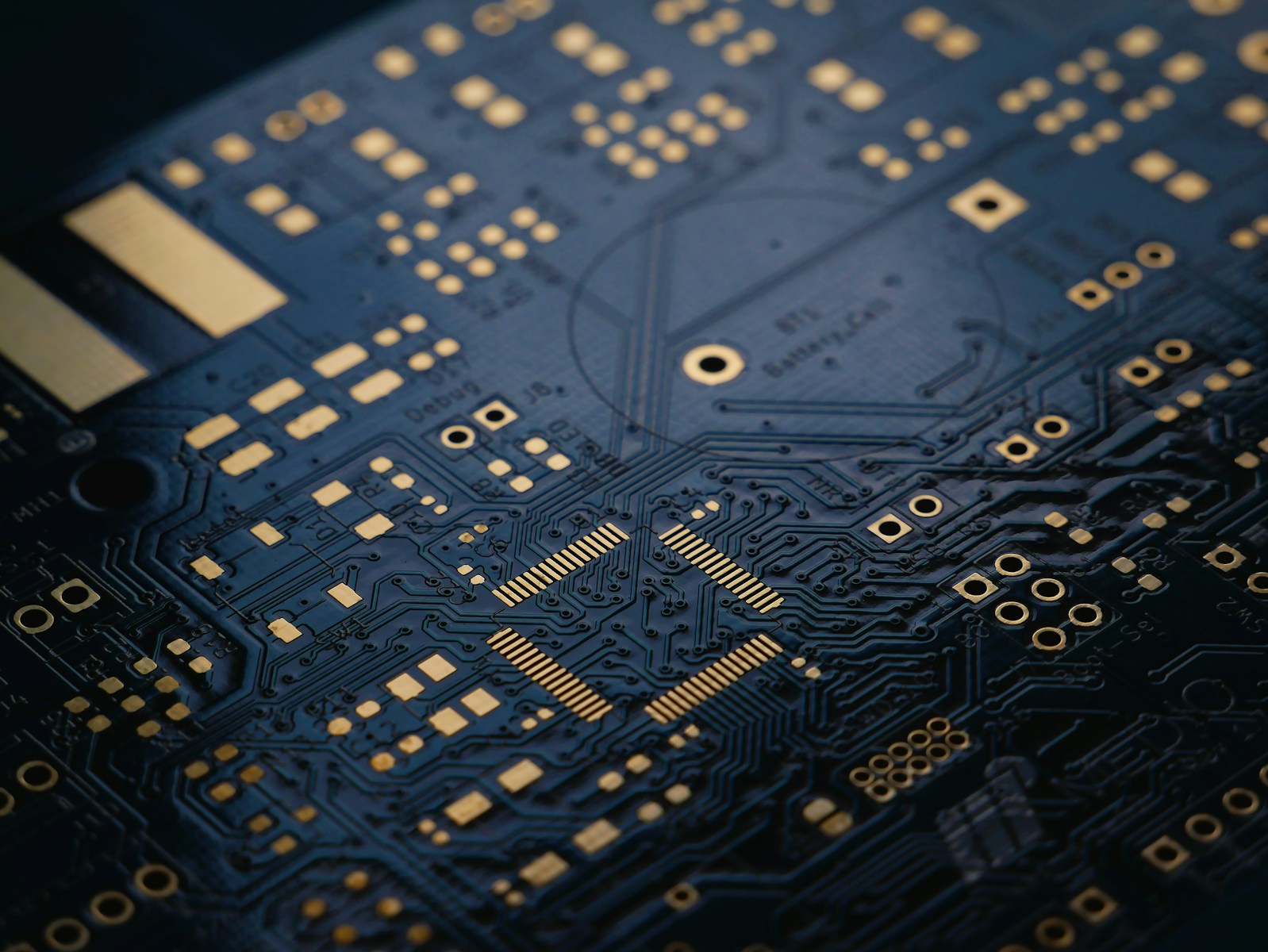
Image Credits: Photo by Vishnu Mohanan on Unsplash

Cameron is a highly regarded contributor in the rapidly evolving fields of artificial intelligence (AI) and machine learning. His articles delve into the theoretical underpinnings of AI, the practical applications of machine learning across industries, ethical considerations of autonomous systems, and the societal impacts of these disruptive technologies.