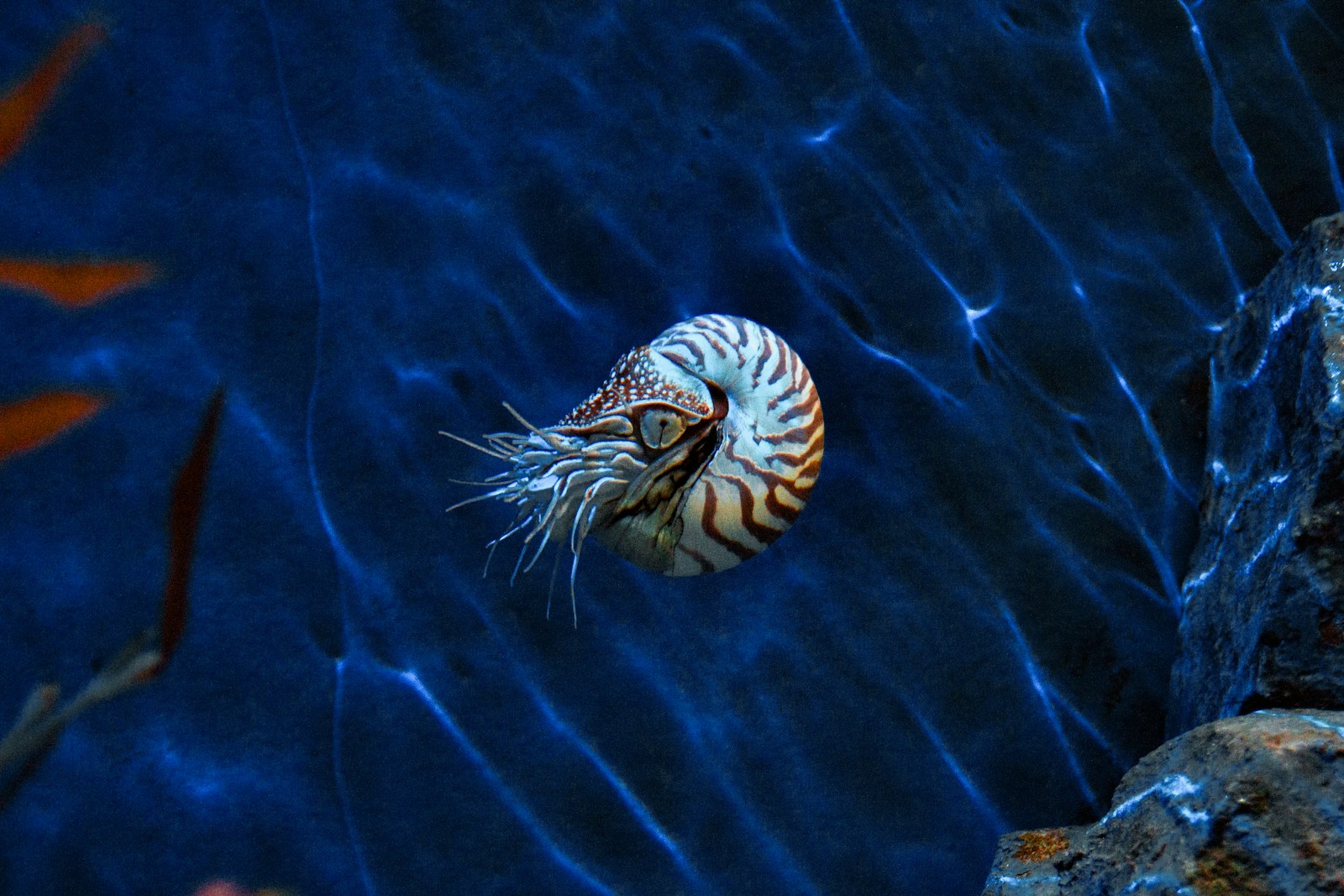
A recent underwater expedition has uncovered a complex network of marine life flourishing in the extreme conditions of deep-sea ocean trenches. Scientists exploring these remote underwater canyons found unexpected biodiversity in one of Earth’s least accessible environments.
The research team documented numerous species adapted to survive under crushing pressure, near-freezing temperatures, and almost complete darkness. This discovery challenges previous assumptions about the limits of life in deep marine environments.
Life in Extreme Conditions
Ocean trenches represent some of the most isolated and hostile environments on the planet. These massive underwater canyons can reach depths exceeding 36,000 feet below sea level, where water pressure is more than 1,000 times that at the surface.
Despite these harsh conditions, the expedition recorded a surprising variety of organisms. The team observed specialized fish, crustaceans, and other invertebrates that have evolved unique adaptations to thrive in this extreme habitat.
“What we found contradicts the old notion that deep trenches are biological deserts,” said one of the research team members. “These areas actually support complex food webs and ecological interactions.”
Technological Breakthroughs
The expedition relied on advanced submersible technology capable of withstanding enormous pressure. Equipped with high-definition cameras and sampling tools, these vehicles allowed scientists to document life forms that few human eyes have ever seen.
Remote operated vehicles (ROVs) collected specimens and recorded video footage of creatures displaying remarkable adaptations, including:
- Bioluminescent organisms that create their own light
- Fish with specialized cell structures to withstand pressure
- Invertebrates with unique feeding strategies for scarce resources
These technological advances have opened a new frontier in marine biology, allowing researchers to study ecosystems previously considered inaccessible.
Scientific Significance
The discovery of these thriving communities has significant implications for our understanding of life on Earth. Scientists believe these findings may help explain how life could exist in other extreme environments, including those on other planets or moons.
“The resilience of life in these trenches shows us that organisms can adapt to conditions we once thought were incompatible with life,” noted a marine biologist associated with the project.
Researchers are particularly interested in how these deep-sea creatures have evolved to process limited nutrients and survive in an environment with minimal food sources. Some species appear to have developed highly efficient metabolic systems that require very little energy.
Conservation Concerns
The expedition also raised questions about the vulnerability of these unique ecosystems. Deep-sea environments face growing threats from human activities, including deep-sea mining operations, plastic pollution that has been found even in the deepest ocean trenches, and climate change impacts.
Scientists warn that damage to these habitats could result in the loss of species before they are even documented. Many of the organisms observed may be new to science, with potential applications in medicine, materials science, and other fields.
The research team plans additional expeditions to further document these deep-sea communities and advocate for their protection. Their work highlights the need for international cooperation to establish marine protected areas that include deep ocean habitats.
As exploration technology continues to improve, scientists expect to make more discoveries about life in Earth’s final frontier. The ocean depths remain largely unexplored, with estimates suggesting that less than 20 percent of the ocean floor has been mapped in detail.

A seasoned technology executive with a proven record of developing and executing innovative strategies to scale high-growth SaaS platforms and enterprise solutions. As a hands-on CTO and systems architect, he combines technical excellence with visionary leadership to drive organizational success.