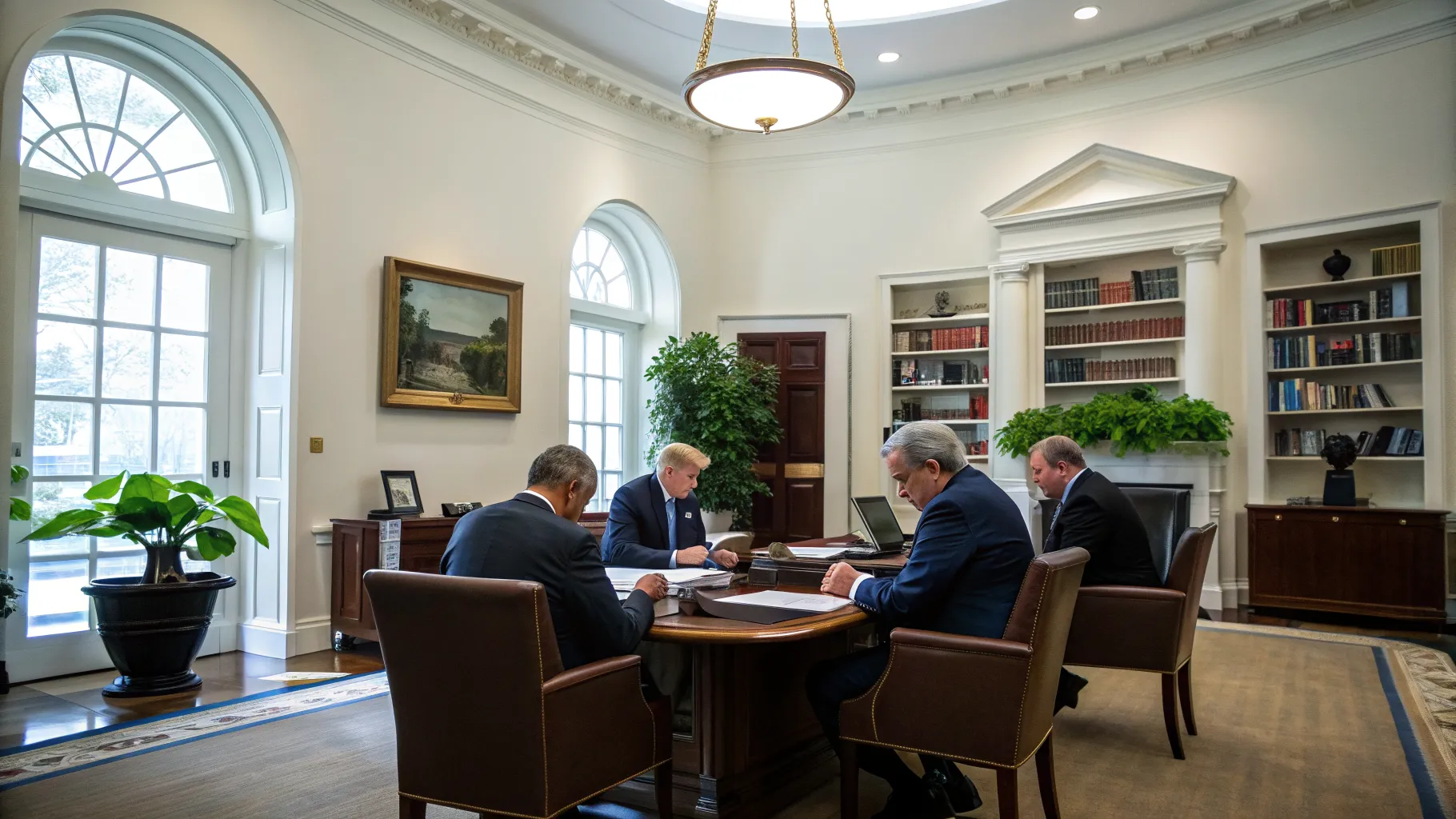
The Environmental Protection Agency is moving to roll back the endangerment finding, a core legal basis for federal climate regulation. The step, discussed in Washington this week, could unsettle corporate planning and set off a long court battle. The change would affect how the federal government regulates greenhouse gases under the Clean Air Act and could reshape climate policy nationwide.
“As the EPA moves to roll back the endangerment finding, which allows it to regulate greenhouse gases, experts predict uncertainty for business and a protracted legal fight.”
What the Endangerment Finding Does
The endangerment finding was issued in 2009 after years of scientific review. It concluded that greenhouse gases threaten public health and welfare. That decision followed the 2007 Supreme Court ruling in Massachusetts v. EPA, which held that greenhouse gases qualify as air pollutants under the Clean Air Act.
The finding gave the agency a legal duty to act on climate pollution. It underpinned vehicle standards, power plant rules, and permitting decisions for large industrial sources. It has been sustained in court several times.
Why a Rollback Matters Now
Rolling back the finding would attempt to remove the EPA’s obligation to regulate climate pollution under existing law. That would shift more responsibility to states and Congress. It would also raise questions about past rules that relied on the finding.
Companies across energy, manufacturing, and transport have planned investments expecting federal climate standards to persist or tighten. A policy reversal could stall or redirect capital spending. It could also split rules across states, with places like California keeping stricter limits and other states pulling back.
The Coming Legal Fight
Any rollback would face immediate lawsuits from states, environmental groups, and public health organizations. Plaintiffs would argue that the agency must base such a move on sound science and reasoned analysis under the Administrative Procedure Act. Courts could block the change while litigation proceeds.
Recent Supreme Court decisions also shape the terrain. In 2022, the Court limited the EPA’s approach to power plant regulation. In 2024, the Court curbed deference to federal agencies. Those rulings may influence how judges review the scientific and legal basis for a rollback.
- Challenges would likely be filed in the D.C. Circuit.
- Preliminary injunctions could freeze the change during review.
- A final ruling could take years and reach the Supreme Court.
Business Uncertainty and Market Effects
Executives now face a difficult choice. They can wait for court outcomes or move ahead with decarbonization plans tied to global and state policies. Many firms sell into markets with strict emissions rules, including the European Union. Others rely on long asset lives and need policy clarity to justify upgrades.
Power companies planning to retire coal units or build gas plants with carbon controls may pause. Automakers weighing electric vehicle lines against fuel economy rules may hedge. Industrial firms could delay projects that depend on federal permits linked to greenhouse gas thresholds.
Investors will watch credit risks for sectors exposed to policy swings. Insurers and banks may reevaluate climate risk models, especially if federal oversight loosens while physical risks rise.
States, Science, and Public Health
Several states are likely to press ahead with their own standards. Regional cap-and-trade programs and zero-emission mandates could expand. Yet a patchwork raises compliance costs and complicates interstate operations.
Public health researchers point to rising heat waves, wildfire smoke, and extreme rainfall. The 2009 finding linked such harms to greenhouse gas emissions. Any attempt to reverse that link would need new evidence and extensive public comment. Courts will test whether the agency provides a reasoned explanation for a change in position.
What to Watch Next
The agency would need to publish a proposal, take comments, and issue a final action. Each step opens more legal risk. Businesses and states will seek transitional guidance on permits and enforcement. International partners may also react, as U.S. policies influence trade measures like carbon border fees.
Key markers include the scope of the legal justification, the handling of scientific assessments, and the proposed timeline. Markets will also track how states coordinate on alternative rules and how federal courts respond to early suits.
The move signals a high-stakes test of climate authority under existing law. It could reset federal climate policy for years. For now, companies face a period of policy flux as courts and states take center stage. The outcome will shape investment, public health protections, and the pace of U.S. emissions cuts.

Senior Software Engineer with a passion for building practical, user-centric applications. He specializes in full-stack development with a strong focus on crafting elegant, performant interfaces and scalable backend solutions. With experience leading teams and delivering robust, end-to-end products, he thrives on solving complex problems through clean and efficient code.