Europe’s space sector is moving to close a widening launch gap with the United States and China, as a wave of new spaceports and rockets near debut across the continent. After a year marked by delays and the retirement of a workhorse rocket, agencies and startups are preparing new launch sites in the Arctic and Atlantic, aiming to restore regular access to orbit and support a growing small-satellite market.
The push comes after a period when U.S. and Chinese launch providers recorded dozens to over a hundred missions, while Europe managed only single digits. The stakes are high for weather forecasting, secure communications, and earth observation, as well as for the thousands of jobs tied to Europe’s space economy.
A Launch Gap Years in the Making
Europe’s downturn in orbital launches followed several setbacks. Ariane 5, the heavy-lift backbone for European missions, retired in 2023. Vega-C, the light launcher, has faced a long grounding following a 2022 failure. Access to Russia’s Soyuz rockets from French Guiana ended in 2022, narrowing options further and pushing many customers to buy rides from foreign providers.
European governments and industry leaders argue that reliable launch from European soil is a matter of security and economic resilience. Without it, satellite operators must accept longer waits, higher costs, or export controls that can complicate missions.
New Spaceports Come Online
“Europe lags far behind the US and China in orbital space launches, but new facilities are opening up.”
The new facilities are spread across northern Europe and the Atlantic and are designed for smaller, more frequent missions that can serve commercial and government needs.
- SaxaVord Spaceport in the Shetland Islands has secured a UK license and is preparing pads for small launchers.
- Andøya Spaceport in Norway has opened its first orbital launch pad, with inaugural flights planned by European startups.
- Esrange in northern Sweden has unveiled an orbital launch complex to support future missions after decades of suborbital work.
- Sutherland Spaceport in Scotland has received planning approval, targeting methane-fueled micro-launchers.
These sites promise polar and sun-synchronous orbits that are in demand for earth observation and climate monitoring. They also offer faster integration cycles for small satellites, which has become a key requirement for commercial operators and defense ministries.
Rockets Nearing the Pad
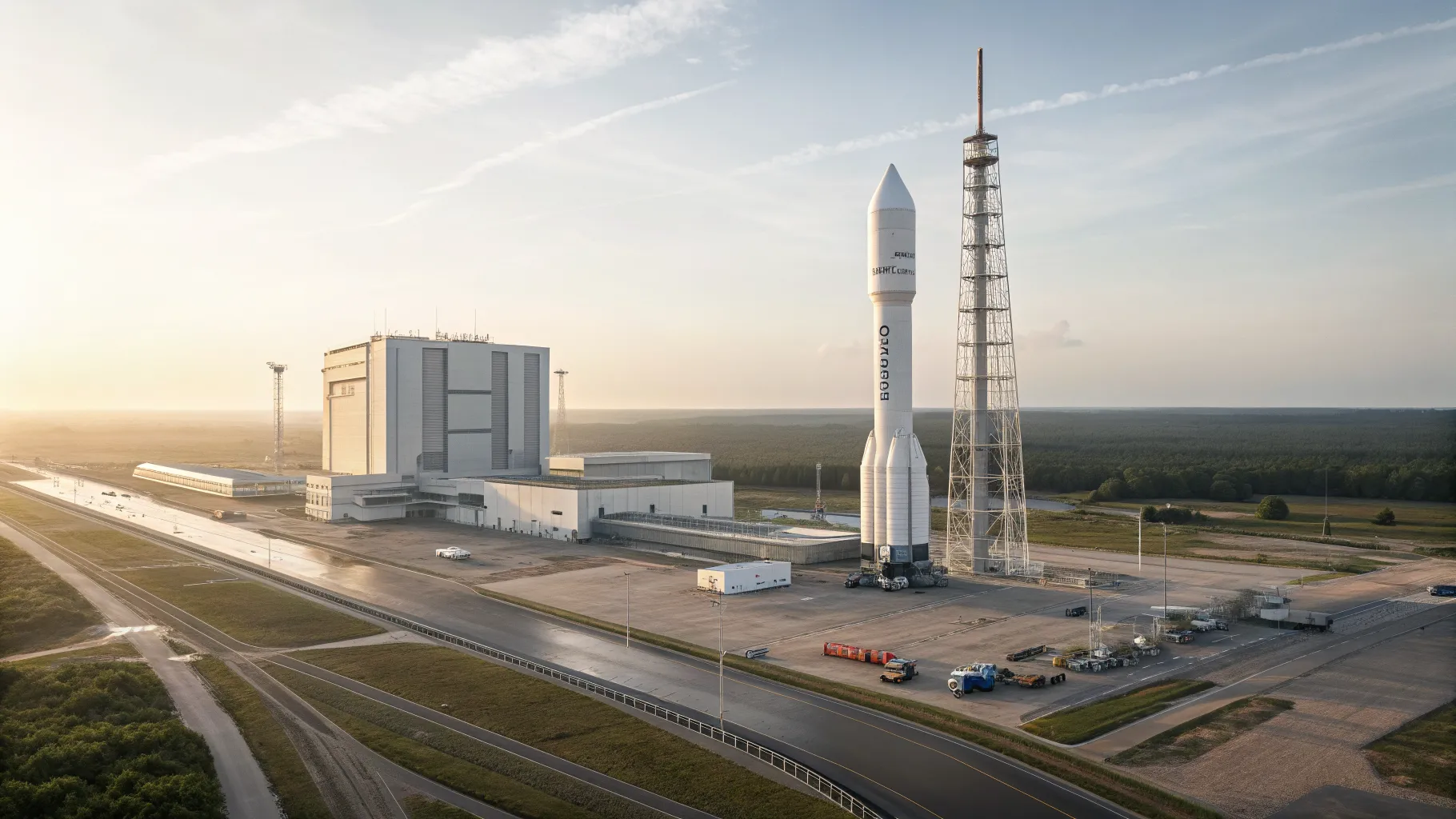
Alongside the spaceports, several European rockets aim for first or early flights. Ariane 6 completed its debut mission in 2024, a step toward routine heavy-lift service from Europe’s long-standing site in French Guiana. The return to flight of Vega-C remains a central goal, as it serves small and medium satellites.
New commercial players are building micro-launch systems to provide dedicated rides to orbit. Germany’s Isar Aerospace is preparing its Spectrum rocket, while Rocket Factory Augsburg is advancing its RFA One vehicle. In Spain, PLD Space achieved a suborbital test with Miura 1 and is developing the orbital Miura 5. Scotland’s Orbex is building out its Prime launcher with a low-carbon fuel approach.
These programs promise flexible scheduling and dedicated insertion for small spacecraft, but many remain in test phases. Schedules have slipped before, and regulators will scrutinize environmental and safety plans before granting flight clearances.
Market Pressures And Strategic Aims
Europe’s urgency stems from demand for broadband constellations, imaging networks, and secure links for government users. Insurers and satellite operators seek redundancy to reduce ride-share delays. Defense buyers also want launch on short notice for rapid replacement of assets.
Analysts say cost remains a hurdle. U.S. providers, particularly SpaceX, have driven prices down with reusable boosters and frequent flights. China’s state-led ecosystem maintains high cadence at home. To compete, European rockets will need reliable schedules, clear pricing, and steady public orders to anchor early operations.
Environmental reviews are another factor. Local communities near new spaceports have raised questions about noise, wildlife, and emissions. Operators are adopting cleaner propellants and tighter launch windows to address concerns and win public support.
What To Watch Next
Three developments will signal whether Europe is closing the gap:
- Ariane 6 ramping to regular service with commercial and institutional payloads.
- Vega-C returning to flight and sustaining cadence for small satellites.
- First orbital launches from SaxaVord, Andøya, and Sweden’s Esrange by European startups.
If those milestones arrive within the next 12 to 24 months, Europe could offer a reliable menu of light, medium, and heavy-lift options sourced from its own sites. If delays persist, more European payloads will continue to fly from foreign pads, along with the policy trade-offs that come with that choice.
Europe has the infrastructure, public backing, and a growing set of commercial teams. The next test is execution at scale. Regular launches from new northern spaceports, paired with steady performance from Ariane 6 and a restored Vega-C, would mark a clear shift. Until then, the race to rebuild capacity remains Europe’s central space challenge—and its biggest opportunity to secure independent access to orbit.

Rashan is a seasoned technology journalist and visionary leader serving as the Editor-in-Chief of DevX.com, a leading online publication focused on software development, programming languages, and emerging technologies. With his deep expertise in the tech industry and her passion for empowering developers, Rashan has transformed DevX.com into a vibrant hub of knowledge and innovation. Reach out to Rashan at [email protected]