The Federal Communications Commission (FCC) has approved a plan by T-Mobile and SpaceX to provide supplemental internet coverage from space. This marks the first time the FCC has granted permission for a satellite operator and a cell carrier to deliver coverage using spectrum bands allocated for terrestrial service. The initiative aims to eliminate “dead zones” and provide coverage in remote areas.
T-Mobile and SpaceX first announced their partnership in 2022, with SpaceX CEO Elon Musk stating that connecting existing mobile devices to satellites would render cell towers redundant and offer coverage in previously unreachable areas. FCC Chair Jessica Rosenworcel said, “The FCC is actively promoting competition in the space economy by supporting more partnerships between terrestrial mobile carriers and satellite operators to deliver on a single network future that will put an end to mobile dead zones.”
SpaceX’s satellites are equipped with direct-to-cell technology that will integrate with T-Mobile’s existing network, which already serves hundreds of millions of Americans. However, T-Mobile has highlighted that over 500,000 square miles of the US remains beyond the reach of traditional cell towers.
The approval comes shortly after the FCC allowed SpaceX and T-Mobile to provide direct-to-cell coverage for regions of North Carolina affected by Hurricane Helene. Although the T-Mobile and SpaceX partnership is the first approved collaboration of its kind, the FCC has indicated that other companies have submitted similar proposals that are currently under review. The FCC has granted SpaceX a U.S. commercial license for its Starlink Direct-to-Cell service, allowing SpaceX to operate its Gen2 Starlink satellites for non-geostationary orbit fixed-satellite services.
The license also includes permission for SpaceX to provide Supplemental Coverage from Space (SCS) within the U.S. and to conduct direct-to-cell operations outside the country using its existing 7,500 Gen2 Starlink satellites. Previously, the FCC granted SpaceX and T-Mobile Special Temporary Authority (STA) to deliver Starlink Direct-to-Cell services in regions affected by Hurricanes Helene and Milton. This service proved crucial in aiding recovery efforts, connecting 270,000 mobile phones, all belonging to T-Mobile subscribers.
The FCC license is a major milestone for SpaceX’s Starlink, enabling it to enhance mobile connectivity.
Fcc approves satellite internet plan
Earlier this month, SpaceX and T-Mobile activated their Direct-to-Cell coverage in Florida before hurricanes made landfall, allowing residents to send messages, contact emergency services, and receive alerts, even when traditional networks were down.
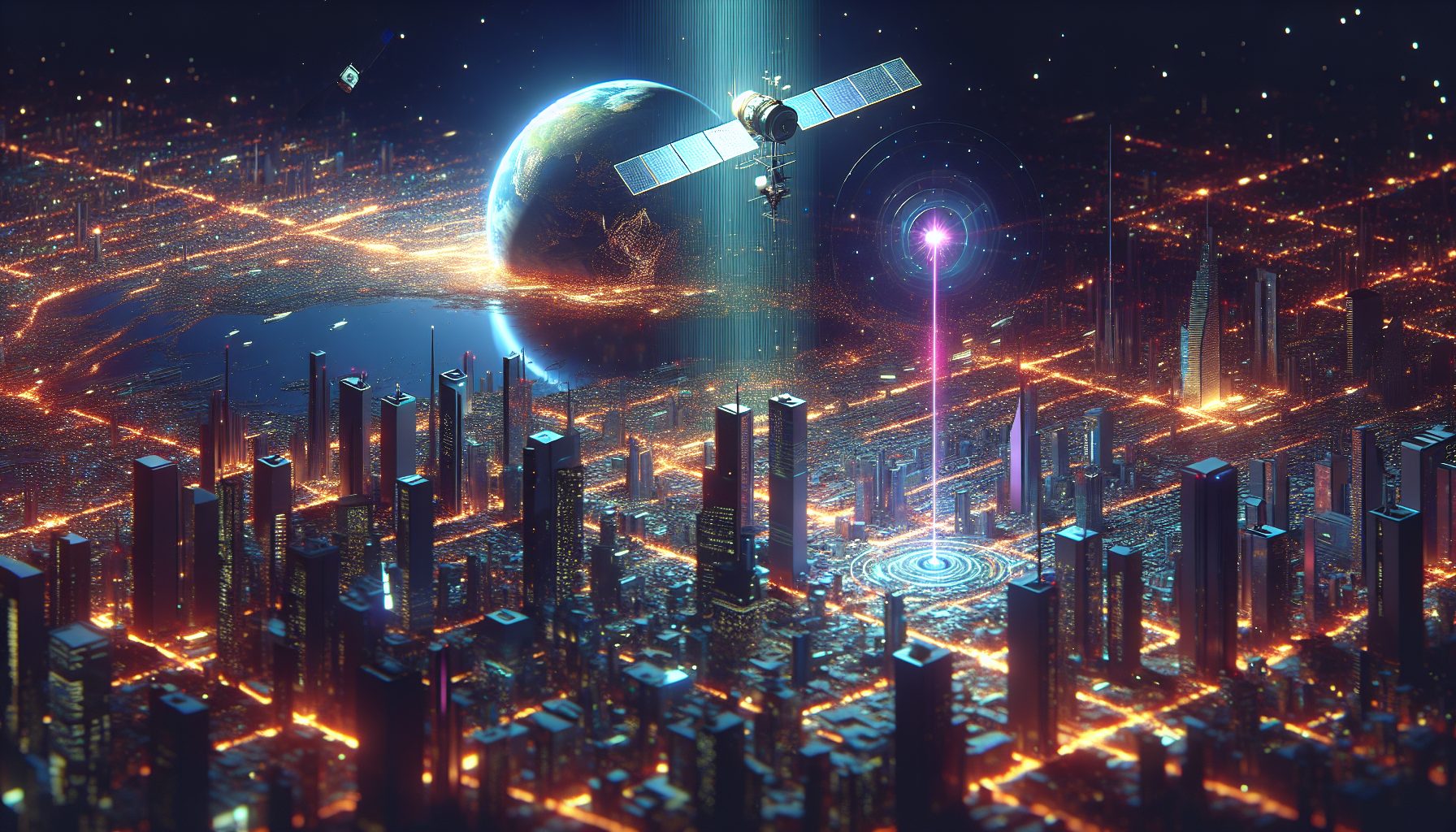
T-Mobile successfully sent its first emergency alert via Starlink satellites, highlighting the potential of this technology in public safety. The alert was transmitted from a Starlink satellite in low-Earth orbit, functioning as a cell tower in space, and was received by a T-Mobile smartphone within seconds. SpaceX executive Benjamin Longmier clarified that Starlink would ensure continuous signal availability, addressing concerns about connectivity.
This comes at a time when SpaceX CEO Musk said that the company will use proceeds from its Starlink service to fund the Mars mission. Mukesh Ambani’s Reliance Jio Infocomm Limited and Sunil Mittal’s Bharti Airtel Limited are up for fierce competition from Starlink, which has launched a revolutionary satellite communication service called “direct-to-cell.” This technology allows smartphones to connect directly to Starlink’s satellites, eliminating the need for traditional mobile towers. With the launch of the direct-to-cell service, SpaceX has partnered with several major telecom companies.
Users can now experience internet speeds of 250-350Mbps with Starlink, far surpassing the 50-60Mbps speeds available through fiber connections in some areas of South Australia. The direct-to-cell service offers significant advantages during emergencies. In events such as cyclones or earthquakes where mobile towers and wiring may fail, satellite-connected phones will maintain operational connectivity, ensuring consistent emergency service support.
Furthermore, the service extends connectivity to millions of Internet of Things (IoT) devices without the need for additional hardware. If Elon Musk’s technology proves successful, it could dramatically transform the telecom industry by reducing the need for mobile towers and expanding global communication capabilities. This transition towards direct satellite connections marks a significant shift in the telecommunications landscape, presenting a formidable challenge to established players like Reliance Jio and Bharti Airtel.

Noah Nguyen is a multi-talented developer who brings a unique perspective to his craft. Initially a creative writing professor, he turned to Dev work for the ability to work remotely. He now lives in Seattle, spending time hiking and drinking craft beer with his fiancee.