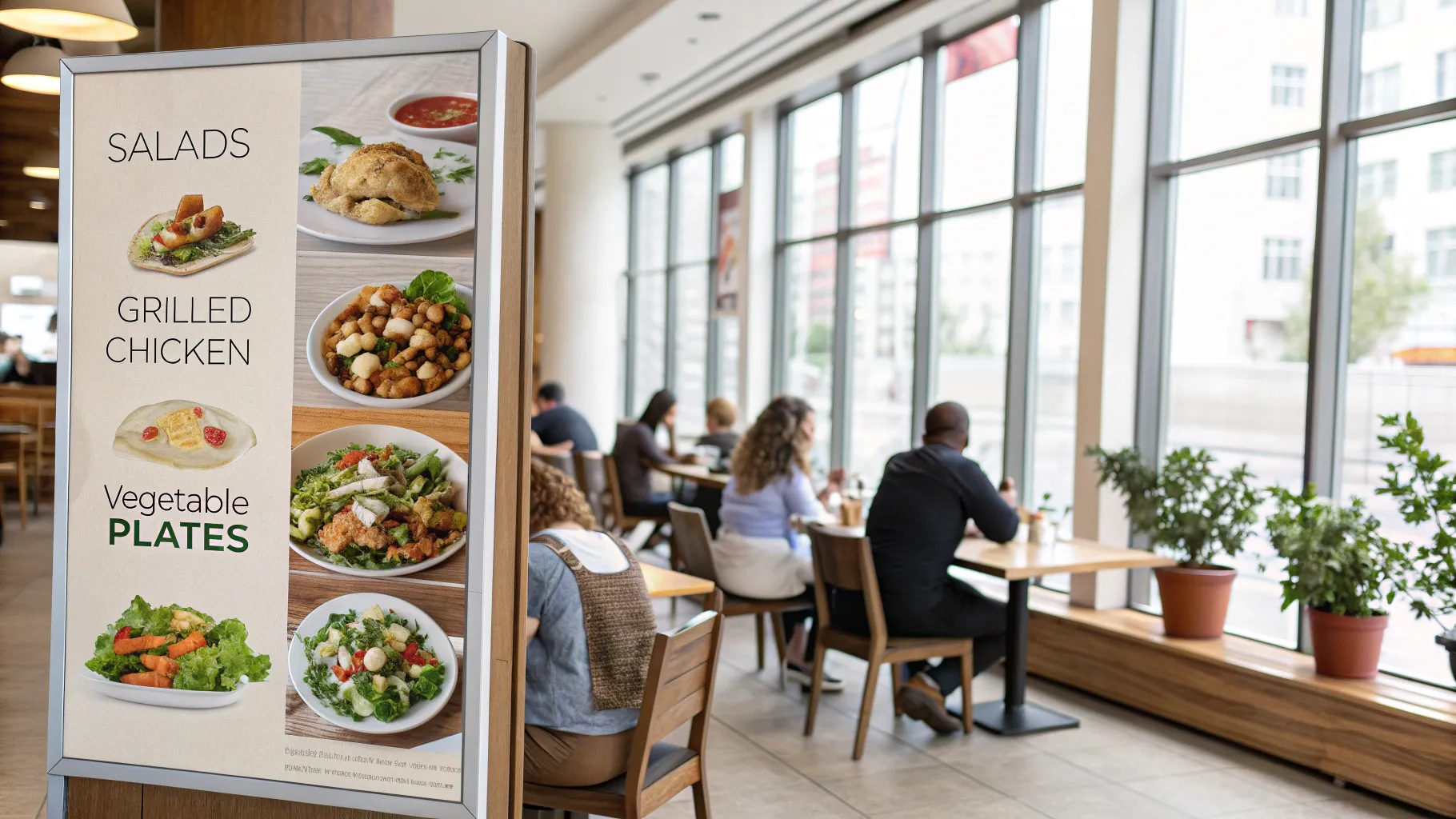
America’s appetite is changing, and restaurants are racing to keep up. As weight-loss use of GLP-1 medications grows, chains and independent operators are reworking menus, portions, and marketing to match shifting eating habits.
Once used almost only for diabetes, these drugs are now part of daily life for many diners. The change is showing up at quick-service counters, casual dining rooms, and upscale kitchens. Owners say guests are ordering less, favoring protein, and skipping drinks and dessert more often.
“Once exclusively a treatment for diabetes, GLP-1s have gone mainstream — forcing restaurants to adjust to changing appetites and nutrition needs.”
From Clinics to Dining Rooms
GLP-1 drugs like semaglutide and tirzepatide help control blood sugar and reduce appetite. After strong clinical results for weight loss, regulators cleared versions for obesity. Prescriptions surged in 2023 and 2024, and analysts expect demand to keep rising.
Food companies and retailers have taken notice. On recent earnings calls, leaders at supermarkets and snack makers discussed subtle changes in what people buy. The pattern is now visible in restaurants, where checks and mix can shift quickly as behavior changes.
Some chains view the trend as a chance to sell more bowls, salads, and lean proteins. Others worry about traffic and lower add-on sales such as sides, alcohol, and dessert.
Menus Shrink, Protein Grows
Operators describe a clear set of adjustments aimed at diners who want smaller portions and higher protein. Many are rewriting recipes to hit simpler nutrition targets and cut empty calories.
- Adding smaller portions or “half” entrees with clear calorie counts
- Highlighting lean protein options, including chicken, fish, and tofu
- Offering high-fiber sides and whole grains in place of fries or chips
- Expanding zero-proof drinks and sugar-free mixers in the bar program
- Reworking desserts into mini sizes or sharing plates
Fast-casual brands that already offer customizable bowls and salads report steady interest in high-protein builds. Some casual-dining groups are testing sampler plates with fewer carbs and more vegetables. Bartenders say mocktails are gaining share as some guests cut alcohol while on medication.
Check Sizes, Margins, and Supply Chains
Smaller portions can lower the average check. But operators say mix can offset that if premium proteins and add-ons hold. The biggest pinch appears in high-margin categories like desserts and alcoholic drinks. A shift away from those items can pressure profit even if traffic stays steady.
Suppliers are adapting as well. Distributors report rising orders for lean proteins, legumes, and low-sugar beverages. Dessert makers are pitching mini formats and items with more fiber or protein. One large packaged-food company recently launched a line aimed at people managing appetite and calorie intake, a sign that the trend is reaching factory lines.
For independent restaurants, the challenge is planning. Chefs must calibrate prep and purchasing with less predictable demand. Some are reducing menu size to cut waste while rotating seasonal, lighter specials.
Health, Access, and Social Questions
Dietitians say menus should meet basic nutrition needs for those on GLP-1 drugs. That means enough protein to preserve muscle and enough fiber to support digestion. Clear labeling helps diners manage intake without guesswork.
There are equity questions, too. The drugs are costly, and coverage varies. If restaurants tilt menus only toward those medicines, they risk ignoring guests with different needs. Many operators say the goal is a broader set of choices rather than a single “diet” track.
Public-health experts warn against oversimplifying the trend. Appetite can drop on these medications, but long-term eating patterns depend on support, habits, and access to healthy food. Restaurants that keep portions flexible and ingredients transparent may serve the widest range of customers.
What to Watch Next
Three signals will shape the next year. First, insurance coverage and supply stability will influence how many diners use the drugs. Second, menu engineering will decide whether lower portions hurt or help margins. Third, brand voice will matter as companies avoid stigma and focus on balanced nutrition.
Chains known for customization may have an edge. They already price by component, making it easier to offer smaller builds without confusing guests. Full-service operators may lean on prix-fixe, half portions, and add-on protein to protect profits while meeting new preferences.
Analysts expect the food sector to keep adjusting as data comes in. If appetite stays lower, the industry could see fewer impulse orders and steadier demand for lean, high-fiber meals. If usage levels off, many of these menu changes will still appeal to health-minded diners.
For now, the message from kitchens is simple: smaller plates, more protein, and clearer choices. The shift is reshaping how America eats out, one menu at a time.

Rashan is a seasoned technology journalist and visionary leader serving as the Editor-in-Chief of DevX.com, a leading online publication focused on software development, programming languages, and emerging technologies. With his deep expertise in the tech industry and her passion for empowering developers, Rashan has transformed DevX.com into a vibrant hub of knowledge and innovation. Reach out to Rashan at [email protected]