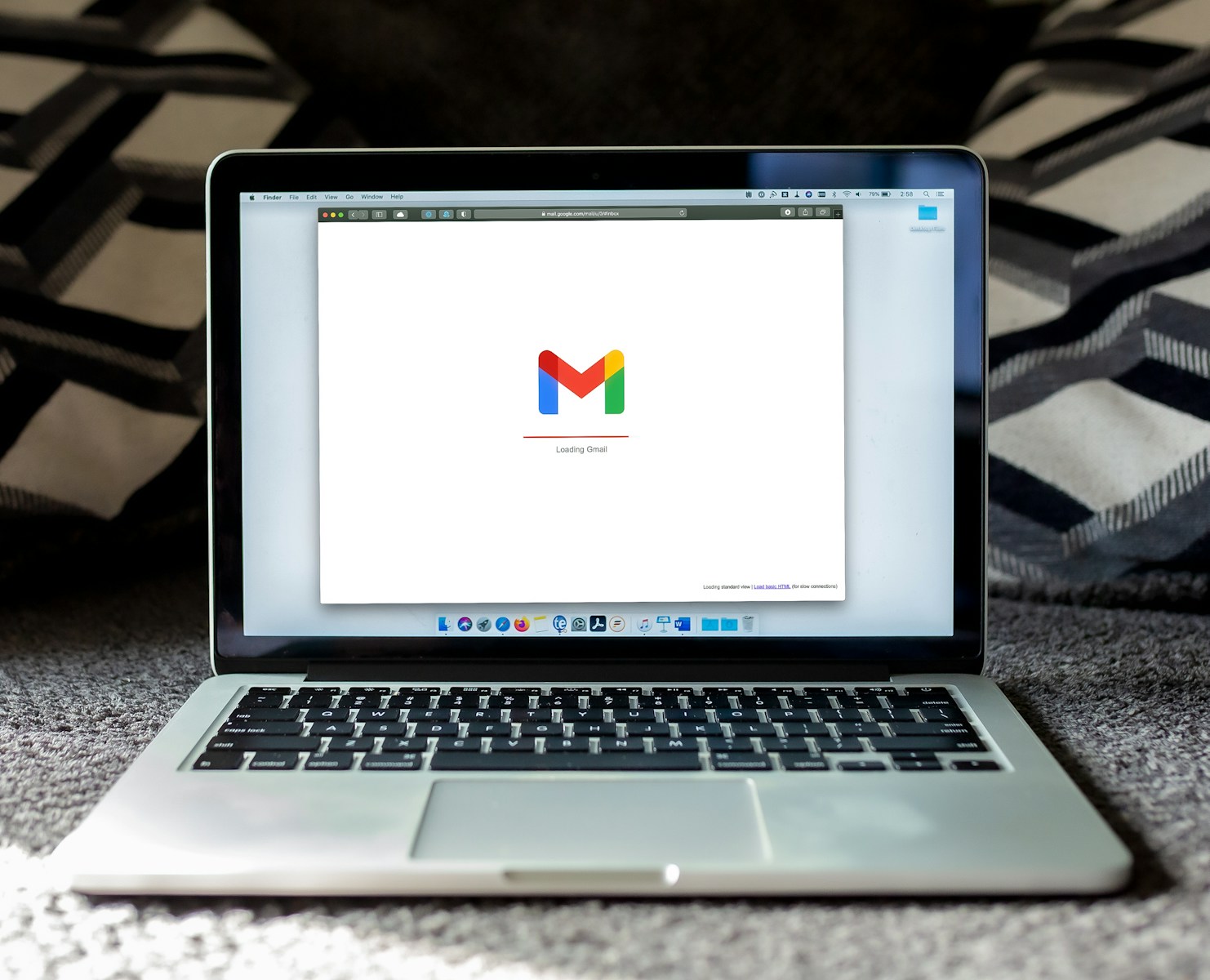
Google has announced a major security update for its nearly 2 billion Gmail users worldwide. Over the next few months, the company will phase out the use of SMS text messages for two-step verification and replace it with a new QR code system. Currently, Gmail users are required to enter a six-digit code sent via SMS to confirm their identity when logging in.
While this method is safer than using a password alone, it is still vulnerable to phishing attacks and other security risks. SMS codes are a source of heightened risk for users,” said Ross Richendrfer, who works on security and privacy issues at Google. “We’re pleased to introduce an innovative new approach to shrink the surface area for attackers and keep users safer from malicious activity.”
Under the new system, users will scan a QR code displayed on their screen using the camera app on their phone to verify their identity.
This change aims to reduce the impact of “rampant, global SMS abuse,” according to Richendrfer.
Google adopts QR codes for security
Google’s decision to move away from SMS verification is part of a larger trend in the tech industry.
The U.S. National Institute of Standards and Technology recommended in 2016 that basic text messaging should be retired as a method for multi-factor authentication due to security concerns. The Cybersecurity and Infrastructure Security Agency (CISA) also advised in 2024 to shift away from SMS authentication due to risks such as SIM swapping and interception by attackers. Google’s transition to QR codes for two-step verification is expected to roll out gradually over the next few months.
The company plans to provide more information about the changes as they are implemented. This major update is part of Google’s ongoing efforts to enhance the security and privacy of its users. With nearly 2 billion Gmail users worldwide, the switch to QR code verification has the potential to significantly reduce the risk of phishing attacks and other security threats.
Image Credits: Photo by Solen Feyissa on Unsplash

Noah Nguyen is a multi-talented developer who brings a unique perspective to his craft. Initially a creative writing professor, he turned to Dev work for the ability to work remotely. He now lives in Seattle, spending time hiking and drinking craft beer with his fiancee.