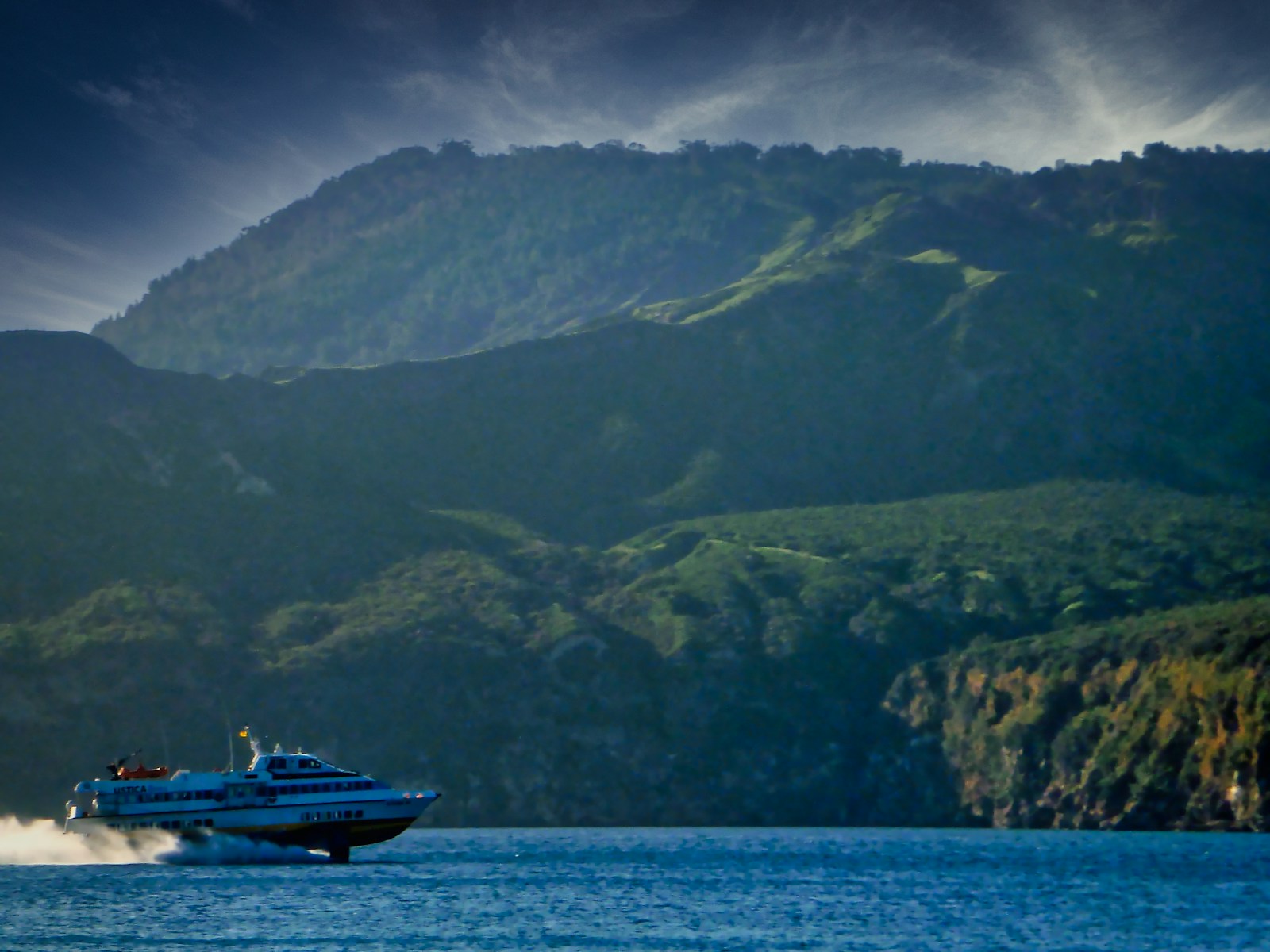
Once a niche for speed, hydrofoils are reappearing as a cleaner way to move people on water. Cities from Northern Europe to North America are testing electric hydrofoil ferries to cut emissions, noise, and wake. The shift is driven by climate goals, crowded roads, and the need for faster commutes across rivers and bays.
The basic idea is simple: lift the hull out of the water to slash drag. The method is old, but new materials, sensors, and electric drive systems are giving it fresh purpose. With pilot services underway and more planned, policymakers are asking if hydrofoils can help modernize public transport while meeting strict environmental rules.
From Speed Experiment to Public Transport
Hydrofoils date to the early 20th century, with peaks of interest after World War II and again in the 1960s and 70s. They promised fast routes on lakes and coastal waters but faded due to maintenance costs and fuel prices. Today, the revival centers on efficiency, not just speed.
“Born from a desire to make boats go faster, today the hydrofoil is being revived as a cleaner form of water transport by helping boats rise above the waves.”
Modern electric hydrofoils use computer-controlled foils to stabilize the ride. By lifting the hull, they reduce energy use and cut wake. That allows higher speeds in zones where traditional fast boats face limits because of shoreline erosion or safety rules.
Why Cities Are Paying Attention
Transport planners are seeking options that reduce emissions without building new roads or bridges. Water routes can be quicker than car travel during rush hour and need less land. Hydrofoils promise shorter travel times with lower operating costs per passenger-kilometer once routes are established.
Companies report sizable gains. Data from European trials suggest electric hydrofoil ferries can use up to 60–80 percent less energy than conventional diesel boats of similar capacity. Operators also report much lower noise and almost no wake at service speed, which is important in historic waterways.
Trials and Early Results
Several projects are underway:
- Stockholm has trialed electric hydrofoil commuter boats on busy routes to bypass traffic and reduce wake in protected areas.
- Belfast has tested a 24-meter electric hydrofoil ferry design aimed at short regional links.
- Cities on lakes and enclosed bays are evaluating smaller craft for point-to-point trips.
Early passenger feedback highlights smoother rides in choppy water due to active control systems. Operators point to fewer wake-related restrictions, opening faster paths that can make water routes competitive with car and bus commutes.
Environmental and Economic Impact
Electric hydrofoils remove local emissions and cut fuel costs. The main variable is electricity price and the carbon mix of the grid. Where renewable power is strong, life-cycle emissions drop further. Lower wake reduces shoreline damage and can ease conflicts with waterfront communities.
Operating economics depend on utilization. High-frequency routes with consistent ridership support the cost of batteries and charging. Maintenance shifts from engines and hull wear to foil mechanics, sensors, and power electronics. Training and spare parts planning are key for reliability.
Technical Hurdles and Policy Choices
Challenges remain. Batteries add weight and limit range, especially at higher speeds. Cold weather and heavy seas can affect performance. Certification standards for new hull forms and active foil systems are still maturing in some regions.
Policy will shape adoption. Safe high-speed corridors, pier access, and fast charging at terminals are necessary. Public agencies may need to underwrite early routes or set targets for low-wake, low-emission craft to compete for service contracts.
What Comes Next
The near-term outlook favors short to mid-length urban routes with frequent service. Tourist and airport links are likely early wins. As batteries improve and more terminals add shore power, longer routes could follow.
Analysts expect more shared standards for charging and vessel data, helping operators compare performance and plan fleets. If trials continue to show energy savings and reliable service, hydrofoils could become a common sight on city waterways.
The return of the hydrofoil is less about thrill and more about efficiency. The lesson so far: lifting above the waves can cut energy, time, and wake. The next test is scaling up without losing those gains.

Rashan is a seasoned technology journalist and visionary leader serving as the Editor-in-Chief of DevX.com, a leading online publication focused on software development, programming languages, and emerging technologies. With his deep expertise in the tech industry and her passion for empowering developers, Rashan has transformed DevX.com into a vibrant hub of knowledge and innovation. Reach out to Rashan at [email protected]