Despite early predictions that 3D-printed architecture would revolutionize affordable housing, this promise has largely gone unfulfilled in the United States. Now, leading 3D-printing company Icon is taking steps to change that with a new project in Texas.
The company has begun construction on three new homes specifically designed for low-income individuals, marking what could be an important development in addressing housing affordability through advanced construction technology.
The Gap Between Promise and Reality
When 3D-printed building technology first emerged, housing experts and technology enthusiasts predicted it would make affordable housing widely available. The technology offered the potential for faster construction times, reduced labor costs, and more efficient use of materials.
However, this vision has not materialized as expected. While there have been isolated projects creating housing for homeless populations, the broader application of 3D printing for affordable housing has been limited in the United States.
The reasons for this gap include regulatory hurdles, the need for specialized equipment, and the initial high costs of implementing new construction methods. Additionally, many early 3D-printed structures were demonstration projects rather than practical housing solutions.
Icon’s Texas Initiative
Icon, which has established itself as a leader in 3D-printed construction technology, appears to be addressing this disconnect with its latest project in Texas. The company is constructing three homes specifically intended for low-income residents.
This project represents a shift from concept to practical application in the affordable housing sector. By focusing on low-income individuals rather than demonstration homes or luxury applications, Icon is testing whether 3D printing can deliver on its promise of more accessible housing.
The Texas homes could serve as a model for future affordable housing projects using this technology. If successful, the approach might be replicated in other communities facing housing shortages and affordability challenges.
The Technology and Its Potential
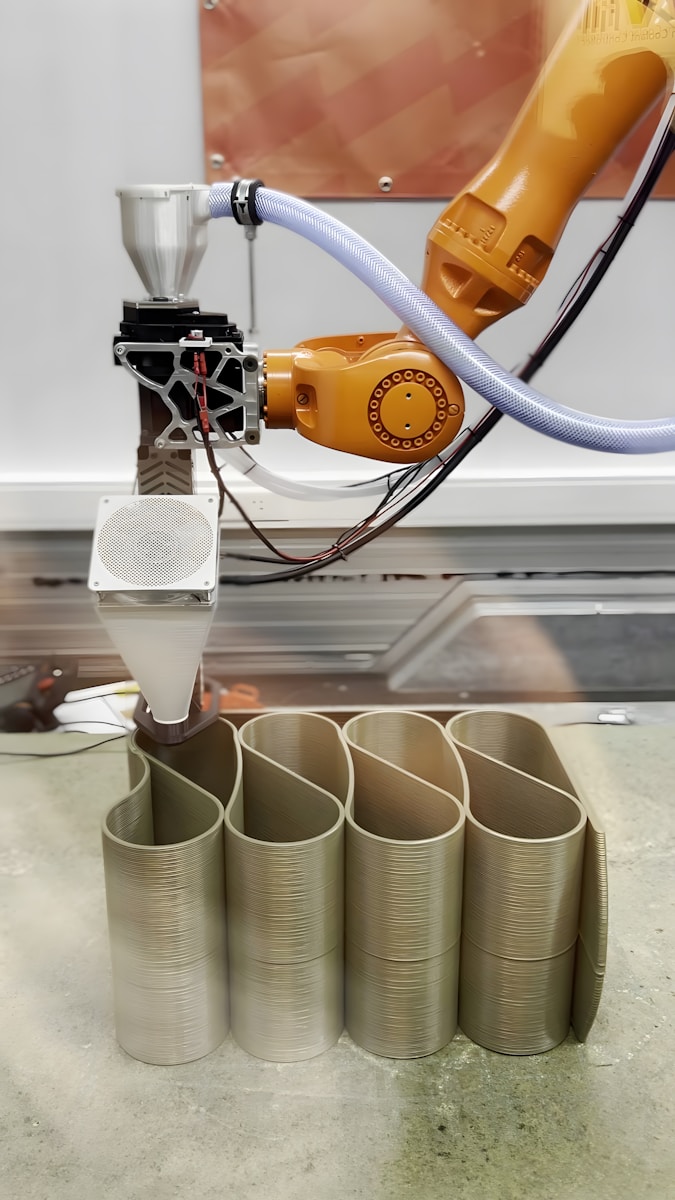
3D-printed construction involves large-scale printers that extrude concrete or other materials layer by layer according to digital designs. The technology offers several advantages that make it potentially suitable for affordable housing:
- Reduced construction time compared to traditional building methods
- Lower labor requirements, which can decrease overall costs
- Minimized material waste through precise application
- Design flexibility that can accommodate various housing needs
These benefits could address multiple challenges in the affordable housing sector, including high construction costs and lengthy building timelines that contribute to housing shortages.
While Icon’s Texas project is still in its early stages, it represents an important test case for whether 3D-printed construction can move beyond specialized applications to address broader housing needs.
Housing advocates will be watching closely to see if this project demonstrates that the technology can deliver truly affordable homes at scale, or whether additional innovations and policy changes will be needed to fulfill the original promise of 3D-printed architecture.
As construction progresses on these three homes, they may provide valuable data on costs, timelines, and resident satisfaction that could inform future affordable housing initiatives using advanced construction technologies.

Rashan is a seasoned technology journalist and visionary leader serving as the Editor-in-Chief of DevX.com, a leading online publication focused on software development, programming languages, and emerging technologies. With his deep expertise in the tech industry and her passion for empowering developers, Rashan has transformed DevX.com into a vibrant hub of knowledge and innovation. Reach out to Rashan at [email protected]