India ranked second in the world for the number of internet shutdowns in 2024, according to a new report by Access Now and the #KeepItOn coalition. The report, which focuses on “digital violence,” documented a record-breaking 296 internet shutdowns across 54 countries last year. Myanmar led the global list with 85 internet shutdowns, primarily imposed by the military government to target a population resisting its dictatorship four years after the coup.
India, which had topped the list in 2023, dropped to second place with 84 shutdowns. The report also highlighted a sharp rise in cross-border shutdowns, including those carried out by Russia in Ukraine, Israel in Gaza, and Thailand and China in Myanmar. Pakistan recorded its highest-ever total of 21 shutdowns.
Increase in internet disruptions reported
Felicia Anthonio, the manager of Access Now’s #KeepItOn campaign, described internet blackouts as a tool for collective punishment that leaves communities in digital darkness and conceals human rights abuses. She emphasized that the weaponization of the internet has led to a pattern of censorship that requires accountability.
The #KeepItOn campaign, which began in 2016, aims to unite global organizations and end internet shutdowns. Access Now continues to advocate for digital civil rights, calling for greater accountability and transparency from governments regarding internet disruptions. The high number of internet shutdowns in India raises concerns about the impact on the country’s economy and the rights of its citizens.
As the world becomes increasingly connected, the deliberate disruption of internet access is seen as a growing threat to freedom of expression and access to information.
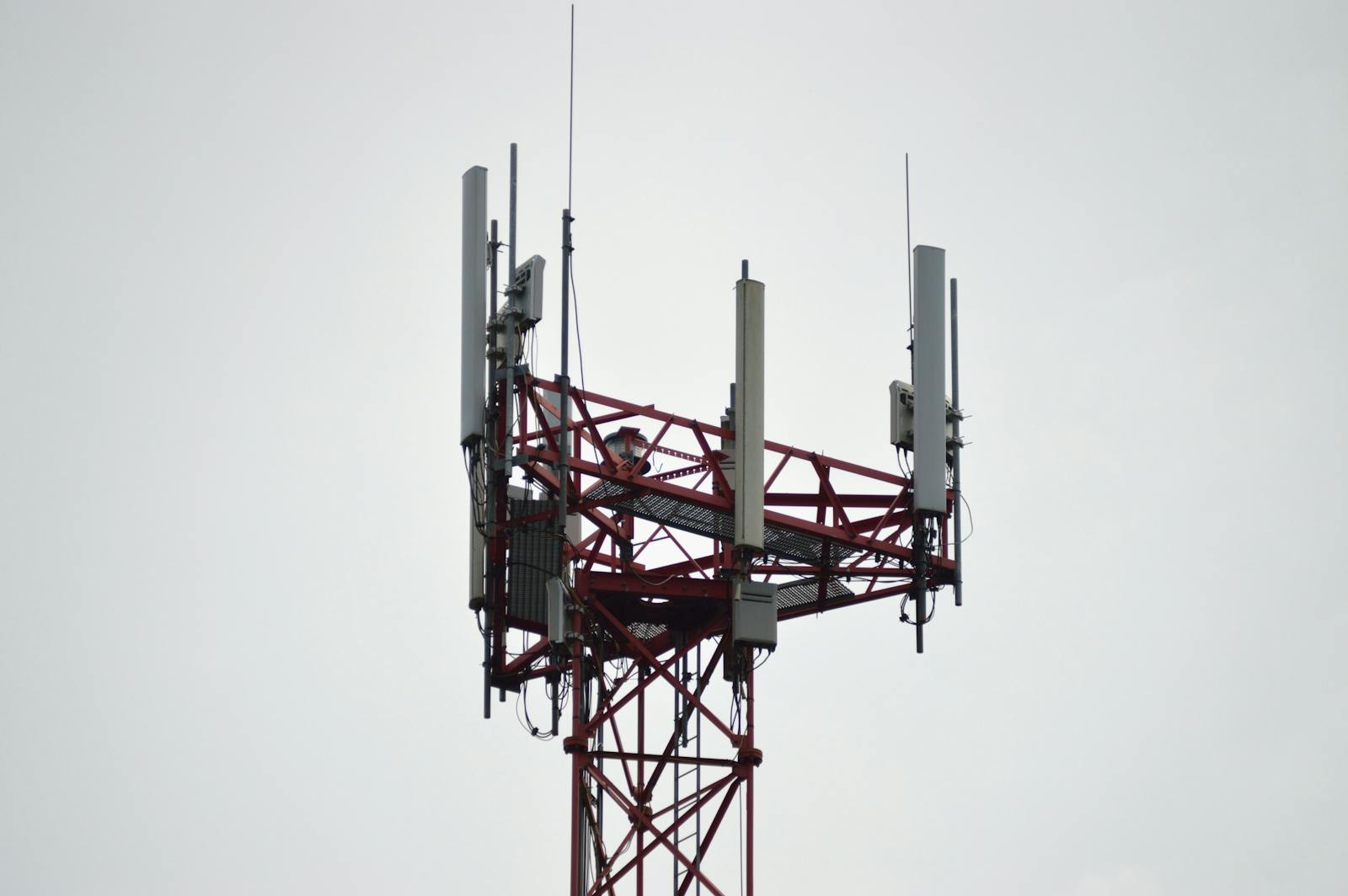
Image Credits: Photo by Miguel Á. Padriñán on Pexels

Cameron is a highly regarded contributor in the rapidly evolving fields of artificial intelligence (AI) and machine learning. His articles delve into the theoretical underpinnings of AI, the practical applications of machine learning across industries, ethical considerations of autonomous systems, and the societal impacts of these disruptive technologies.