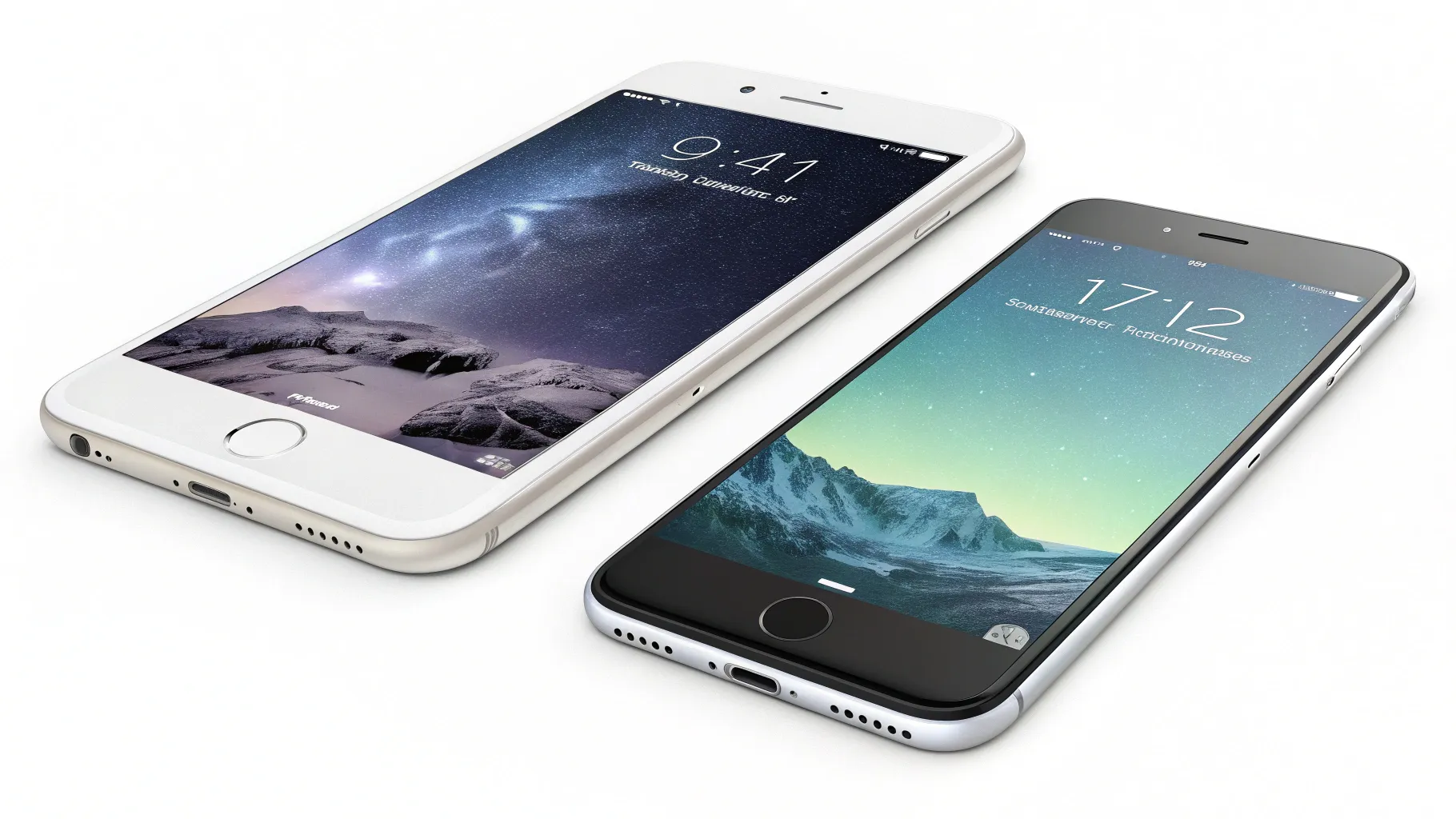
The iPhone 17 is posting faster performance than the iPhone 16, even though its N1 networking chip is described as functionally similar to the previous generation. The contrast, shared during a product briefing, raises questions about where the gains come from and what they mean for buyers weighing an upgrade.
The core takeaway is straightforward. Networking hardware did not drive the jump. Instead, system-level changes appear to be at work. That includes the processor, memory, thermal design, and software tuning that together shape the user experience.
“The N1 networking chip is functionally similar to its predecessor, but the iPhone 17 outperforms the iPhone 16.”
Why Performance Improved Without a New Networking Chip
Smartphones are complex systems. A single component rarely defines real-world speed. Even with the same class of modem or Wi‑Fi chip, users can see faster app launches, smoother graphics, and quicker photo processing. Those gains usually come from the main processor, storage bandwidth, and memory management.
Thermals also matter. A phone that runs cooler can sustain higher speeds for longer. Better heat dissipation can keep frame rates steady in games and speed up video exports. Software scheduling and power control can do the rest by assigning tasks to the right cores at the right time.
The comment about a “functionally similar” N1 points to unchanged radio features, such as supported 5G bands or Wi‑Fi standards. That suggests connectivity stability rather than added wireless features is the aim this year, while performance gains derive from other parts of the device.
What It Means for Users
For many buyers, raw speed is only part of the decision. If the networking hardware is similar, factors like battery life, camera quality, and long-term support come into sharper focus. A faster chip can shorten photo processing and improve on-device AI tasks. But unchanged radios may mean similar signal behavior and download speeds in the same locations.
- Expect quicker app and system response.
- Similar cellular and Wi‑Fi feature sets year over year.
- Potential gains in sustained performance due to thermals and software.
Gamers and pro users may feel the biggest lift. Longer sustained performance can reduce throttling during extended sessions. Video editors and content creators may also see time saved on exports and filters.
How This Fits Recent Upgrade Patterns
Annual phone updates often separate system performance from networking feature updates. Major radio changes tend to arrive in multi-year waves. In between, companies refine antennas, carrier aggregation, and power efficiency without headline feature shifts.
During those years, performance jumps are typically driven by the application processor, storage throughput, and machine learning accelerators. That pattern aligns with the current message: wireless features hold steady, while overall speed advances.
Carrier and Market Impact
For carriers, a similar networking chip reduces certification changes and helps maintain consistent performance across networks. That can mean fewer surprises for customers switching from an older model. It also helps support teams, since radio behavior remains familiar.
In the market, the split between “faster phone, similar radios” could push upgrade interest among performance-focused users while leaving others to wait for the next jump in wireless capability. Trade‑in values and financing offers are likely to shape decisions as well.
What To Watch Next
Independent tests will provide detail on where the iPhone 17 gets its edge. Benchmarks can isolate CPU, GPU, and storage gains. Battery tests can show whether efficiency improved alongside speed. Camera trials can highlight faster image pipelines and night mode processing.
Network testing will confirm whether the “functionally similar” N1 delivers consistent results across carriers and regions. Users should look for measures of call reliability, 5G throughput in congested areas, and Wi‑Fi stability on busy networks.
The early message is clear. Performance has moved forward, even without a new networking feature set. For buyers, that points to meaningful real-world speed gains. For the industry, it signals another year where system design and software optimization carry the upgrade.
As reviews land, expect clearer answers on sustained performance and battery impact. If the gains hold up under load, the iPhone 17 will offer a faster daily experience. Watch for side-by-side tests that track not just peak numbers but the smoothness and stability that define how the phone actually feels.

Rashan is a seasoned technology journalist and visionary leader serving as the Editor-in-Chief of DevX.com, a leading online publication focused on software development, programming languages, and emerging technologies. With his deep expertise in the tech industry and her passion for empowering developers, Rashan has transformed DevX.com into a vibrant hub of knowledge and innovation. Reach out to Rashan at [email protected]