NASA’s James Webb Space Telescope has made a groundbreaking discovery by identifying giant, star-packed galaxies in the early universe that challenge existing theories of galaxy formation. These newly discovered “red monster” galaxies were converting 50% of their matter into stars at a rate 500 times higher than the Milky Way. The young universe was 10 to 100 times richer in galaxies than previously expected, revealing a cosmos that was far busier and more structured than once believed.
Initial observations hinted at galaxies too massive to exist within the given time frame. However, later recalculations placed these galaxies closer, resolving part of the mystery. Scientists are puzzled by how these galaxies grew so large so quickly.
Early universe’s massive galaxy formation
According to standard models, such rapid growth shouldn’t have been possible this early in the universe’s history. One theory suggests that hyperactive black holes compressed nearby gas, turbocharging star formation in these galaxies.
Another explanation is that massive streams of cosmic gas may have funneled huge amounts of fuel into these galaxies, explaining their explosive early growth. These galaxies may be the ancestral forms of today’s galaxy clusters, offering a glimpse into the birthplace of the most significant cosmic structures. Astronomers admit that they still can’t fully explain these galaxies.
Mengyuan Xiao, a postdoctoral researcher at the University of Geneva and the study’s lead author states, “The red monsters are just the beginning of a new era in our exploration of the early universe.
More observations from JWST and advanced simulations will be essential to rewriting our understanding of cosmic history. As David Elbaz, an astrophysicist and a co-author of the study, admits, “We still cannot reproduce a universe that was so structured so early on.”
The discovery of these “red monster” galaxies marks the beginning of an exciting new era in astronomical exploration, challenging our current understanding of the early universe and galaxy formation.
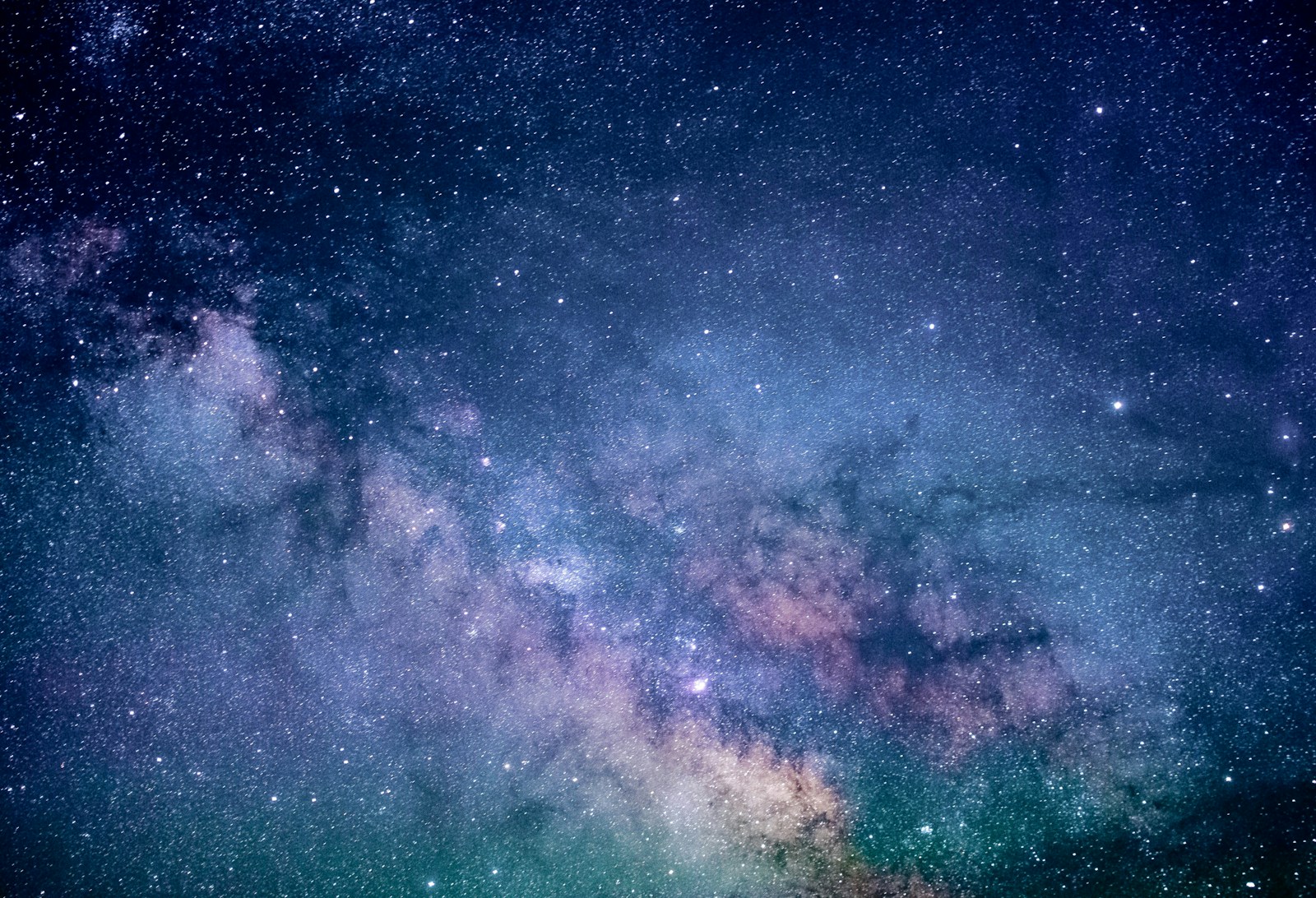
Image Credits: Photo by Jeremy Thomas on Unsplash

Cameron is a highly regarded contributor in the rapidly evolving fields of artificial intelligence (AI) and machine learning. His articles delve into the theoretical underpinnings of AI, the practical applications of machine learning across industries, ethical considerations of autonomous systems, and the societal impacts of these disruptive technologies.