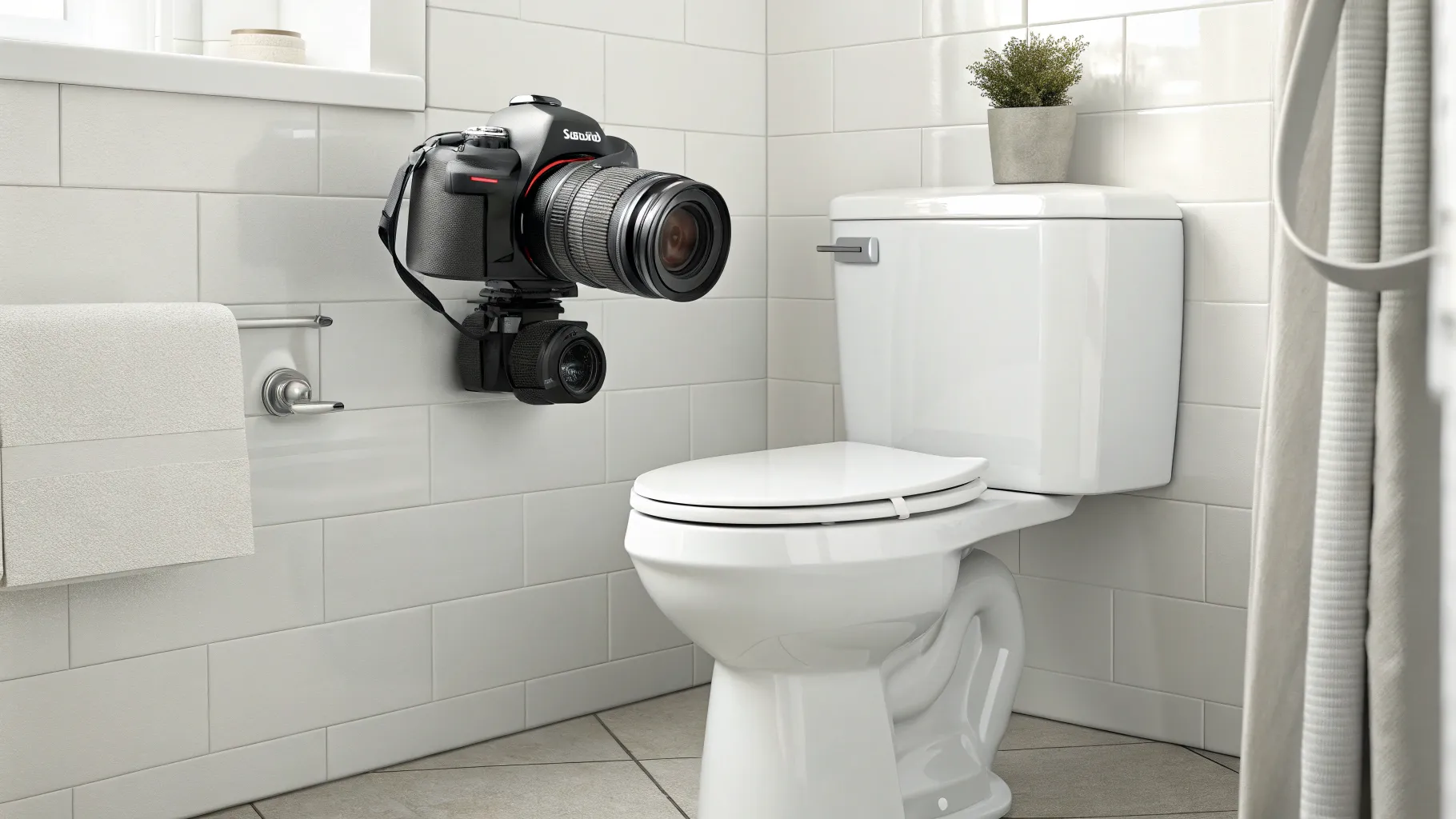
Kohler is introducing a US$600 bathroom camera that automatically photographs stool to help people track digestive health without manual logging or phone snapshots. The device targets consumers who want regular records of bowel habits for wellness, diet adjustments, or medical conversations.
The product arrives as at-home health tracking grows, from smart scales to urine sensors. It raises fresh questions about privacy, regulation, and the real clinical value of turning toilets into data sources.
What The Device Promises
“For just US$600, you can finally say goodbye to the tedious hassle of snapping pictures of your excrement every day in the bathroom – Kohler’s new camera will automatically do it for you.”
The pitch centers on automation. Instead of users taking and filing photos after each visit, the camera handles image capture and organization. That could reduce gaps in logs and provide a more consistent record for trend tracking over time.
Digestive health apps often ask users to record stool consistency and color using scales like the Bristol Stool Chart. A fixed camera could standardize angles and timing, making comparisons easier than ad hoc phone photos.
Growing Market For Bathroom Biometrics
Home health tech is moving closer to daily routines. Some smart toilets in Asia offer built-in sensors. In recent years, consumer devices have monitored urine chemistry, and nursing homes have piloted toilet seats that scan waste to flag dehydration or constipation. The appeal is simple: less effort, more data.
Stool monitoring can support people with irritable bowel syndrome, inflammatory bowel disease, or those testing new diets. Regular images may help detect changes in frequency, form, or visible blood. For parents and caregivers, automatic logs can also reduce guesswork.
Clinical Promise And Limits
Gastroenterologists see value in trend data, but they caution against overreach. Lighting, water, and toilet design can affect how stool looks on camera. A photo suggests form and color, but not hidden bleeding, inflammation, or infection. Any product that claims diagnosis would face medical device rules.
Most consumer bathroom gadgets frame their features as wellness support, not clinical testing. If Kohler positions the camera for general health insight and journaling, it may avoid tighter regulation. If it analyzes images and gives risk alerts, scrutiny would increase.
Privacy And Data Security Questions
A camera in the bathroom will invite tough privacy reviews. Shoppers will want to know where images are stored, how long they are kept, and who can access them. Local storage with strong encryption and clear opt-in sharing would ease concerns. Cloud uploads would need transparent controls and deletion options.
Health data from consumer devices often sits outside traditional medical privacy laws. Users should check whether images are used to train algorithms, whether they can disable uploads, and how the device handles multiple household members.
Cost, Competitors, And Adoption
At US$600, the device sits in premium territory. For comparison, many people still rely on free apps and manual logs. Early adopters may include quantified-self users, caregivers, and people managing chronic conditions. Wider uptake will depend on ease of setup, hygiene, software features, and evidence that the data leads to better decisions.
- Who controls and sees the images?
- Does it offer secure, separate profiles for households?
- Can users export logs for doctors?
- How are false detections or missed events handled?
What Experts Will Watch Next
Physicians and researchers will look for studies that link automated stool imaging to improved outcomes, such as fewer flare-ups or faster diagnosis. Clear metrics, like adherence rates and data quality compared with phone photos, would help move the device from novelty to useful tool.
Insurers and employers might consider coverage only if the device demonstrates savings or better disease control. Partnerships with clinics could also drive adoption, especially if the system integrates with patient portals.
Kohler’s new camera highlights a trend toward turning intimate routines into measurable data. The price and feature set will determine who tries it first, but privacy policies and validated results will decide whether it lasts. Buyers should look for strong data protections, realistic claims, and simple ways to share summaries with care teams. If the device proves reliable and respectful of user control, it could move stool tracking from an awkward chore to a quiet background task in the bathroom.

Senior Software Engineer with a passion for building practical, user-centric applications. He specializes in full-stack development with a strong focus on crafting elegant, performant interfaces and scalable backend solutions. With experience leading teams and delivering robust, end-to-end products, he thrives on solving complex problems through clean and efficient code.