China’s private rocket maker LandSpace plans to recover a reusable first-stage booster in mid-2026, a senior executive said, signaling a fresh push to rival SpaceX’s reuse model. The Beijing-based firm, which operates launch facilities in China, is working to prove controlled return and landing as early as next year to cut costs and win more customers.
The company’s goal highlights a growing race in China’s commercial launch sector. It also raises questions about the technical path, funding, and market demand that will shape the next two years.
Ambition on the Record
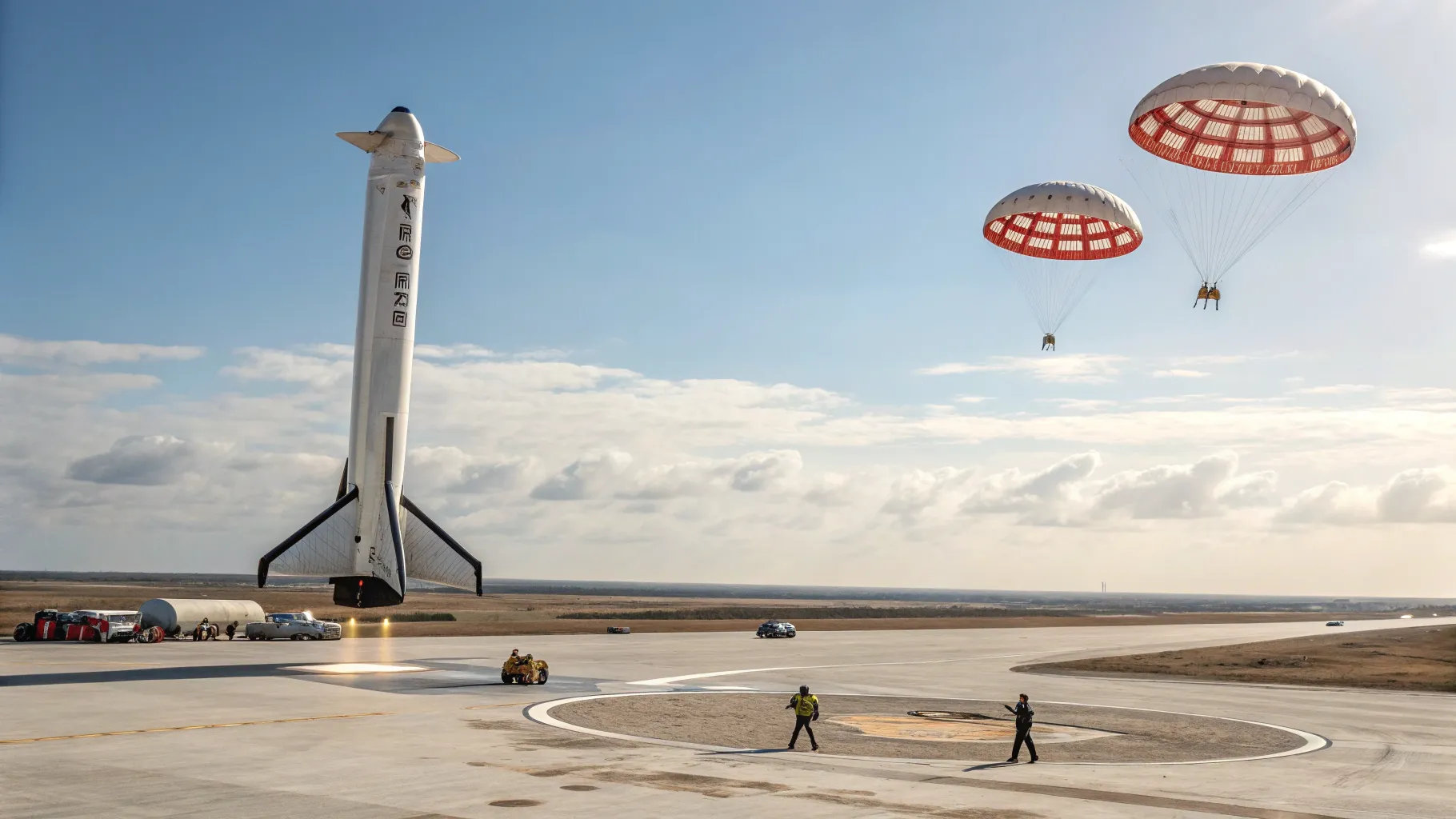
“Chinese rocket developer LandSpace plans to successfully recover a reusable booster in mid-2026,” a company executive said, describing the effort as part of its ambition to become “China’s answer to SpaceX.”
LandSpace did not disclose the exact vehicle that will attempt recovery. The company has developed methane-fueled launchers and has promoted reusability as a core aim. Executives have framed reuse as key to lowering prices and increasing launch cadence for commercial and government missions.
A Bid to Match SpaceX’s Reuse Model
SpaceX’s Falcon 9 has reset market expectations on cost and schedule. The company has notched more than 200 successful booster landings and flies reused stages on most missions. Reuse has supported dense launch schedules for Starlink satellites and commercial customers worldwide.
LandSpace is trying to follow a similar path. Recovered boosters allow frequent flights with shorter turnaround. That lowers unit costs, which can win contracts in a crowded market. It also offers supply stability for satellite builders that need regular access to orbit.
Technical Path and Timeline
Recovering a booster requires restartable engines, precise guidance, and high-performance control surfaces. It also needs landing legs, thermal protection, and software that can handle off-nominal events. Methane and liquid oxygen are attractive for reuse due to clean combustion and stable performance.
LandSpace is expected to run incremental tests before a full recovery attempt. These may include:
- Static fires and engine re-lights to validate durability.
- Low-altitude hops to practice landing control.
- High-altitude reentry trials to test heat loads and steering.
The mid-2026 target leaves limited time for development and flight test. That schedule suggests the company will try to reuse major components, even if only for early demonstrations, before aiming for a full return-to-launch-site or droneship-style landing.
China’s Commercial Launch Market
China’s launcher field now includes state-backed systems and private ventures. Firms such as iSpace and Galactic Energy have flown small to medium-class rockets. The national space program also funds heavy-lift projects and maintains steady institutional demand.
Reusability could shift market share. If recovery works, launch prices may fall, benefiting satellite internet ventures, Earth observation companies, and research groups. Frequent flights would also help domestic constellations avoid long waits between launch windows.
Risks and Unknowns
Funding is a key risk. Reuse development is capital intensive, and failures can stall momentum. Insurance costs, regulatory reviews, and range safety requirements can add time. Engine life across many cycles remains a difficult engineering hurdle.
Market demand is another variable. Global launch capacity has grown fast, while some satellite projects have slipped schedules. Price competition is intense, and buyers value reliability and rapid rebooking options as much as sticker price.
What Success Would Mean
A recovered booster in 2026 would mark a new phase for China’s private space sector. It would validate methane-fueled reusable systems and open the door to higher flight rates. It might also pressure rivals to accelerate their own reuse plans.
For customers, the benefits are clear: lower cost per kilogram, more frequent launches, and flexible mission planning. For China’s space industry, it would show that domestic firms can adopt and adapt modern techniques already proven elsewhere.
LandSpace’s pledge sets a clear clock on a high-stakes engineering effort. Over the next 18 months, watch for engine reusability milestones, hop tests, and early landing attempts. If the company hits those steps and sticks the landing in 2026, China’s commercial launch market could enter a new, more competitive era.

Rashan is a seasoned technology journalist and visionary leader serving as the Editor-in-Chief of DevX.com, a leading online publication focused on software development, programming languages, and emerging technologies. With his deep expertise in the tech industry and her passion for empowering developers, Rashan has transformed DevX.com into a vibrant hub of knowledge and innovation. Reach out to Rashan at [email protected]