Scientists have discovered a new species of dinosaur that roamed the Earth around 150 million years ago. The dog-sized dinosaur, named Enigmacursor mollyborthwickae, lived alongside well-known giants like the Stegosaurus and Diplodocus in what is now the United States. The remains of the Enigmacursor were unearthed from the Morrison Formation in Colorado between 2021 and 2022.
Although many bones were found, the skull and parts of its vertebral column were missing, leaving scientists unsure of its precise length. According to a study published in the Royal Society Open Science, the dinosaur had a tail that made up about half its total length. Professor Paul Barrett, a researcher at London’s Natural History Museum who co-led the study, said, “This very small, plant-eating dinosaur is quite rare.
Finding a substantially complete skeleton rather than just a few pieces is uncommon and as a result, they’re fairly poorly known.”
Described as “lightly built,” Enigmacursor mollyborthwickae weighed around the same as a collie. It was a herbivore and walked on its long hind legs, suggesting it was a speedy runner capable of quick getaways from predators. Barrett and his colleague, Susannah Maidment, began their investigation after being contacted by a London art gallery that was displaying the dinosaur skeleton.
New dinosaur discovery details
They worked with the gallery to find a donor, Molly Borthwick, who helped bring the skeleton to the museum, thus inspiring the species name. The researchers concluded that this dinosaur had unique characteristics, particularly in its thigh bone, which had distinct muscle attachments different from other species.
Enigmacursor mollyborthwickae was found to be closely related to Yandusaurus hongheenis, a dinosaur species discovered in China, indicating a potentially wide distribution. Barrett noted that the specimen was likely not fully grown, as some of its vertebrae had not yet fused. Additionally, there were no obvious signs of illness or injury in its bones to indicate how it died.
While new species of dinosaurs are discovered or identified relatively frequently—about once a week—finding small dinosaurs like Enigmacursor mollyborthwickae is much rarer. Their smaller skeletons are often overlooked by fossil hunters seeking larger specimens and are more susceptible to being ripped apart by predators and scavengers. Barrett emphasized that discovering these smaller dinosaurs helps provide a more complete understanding of ancient ecosystems.
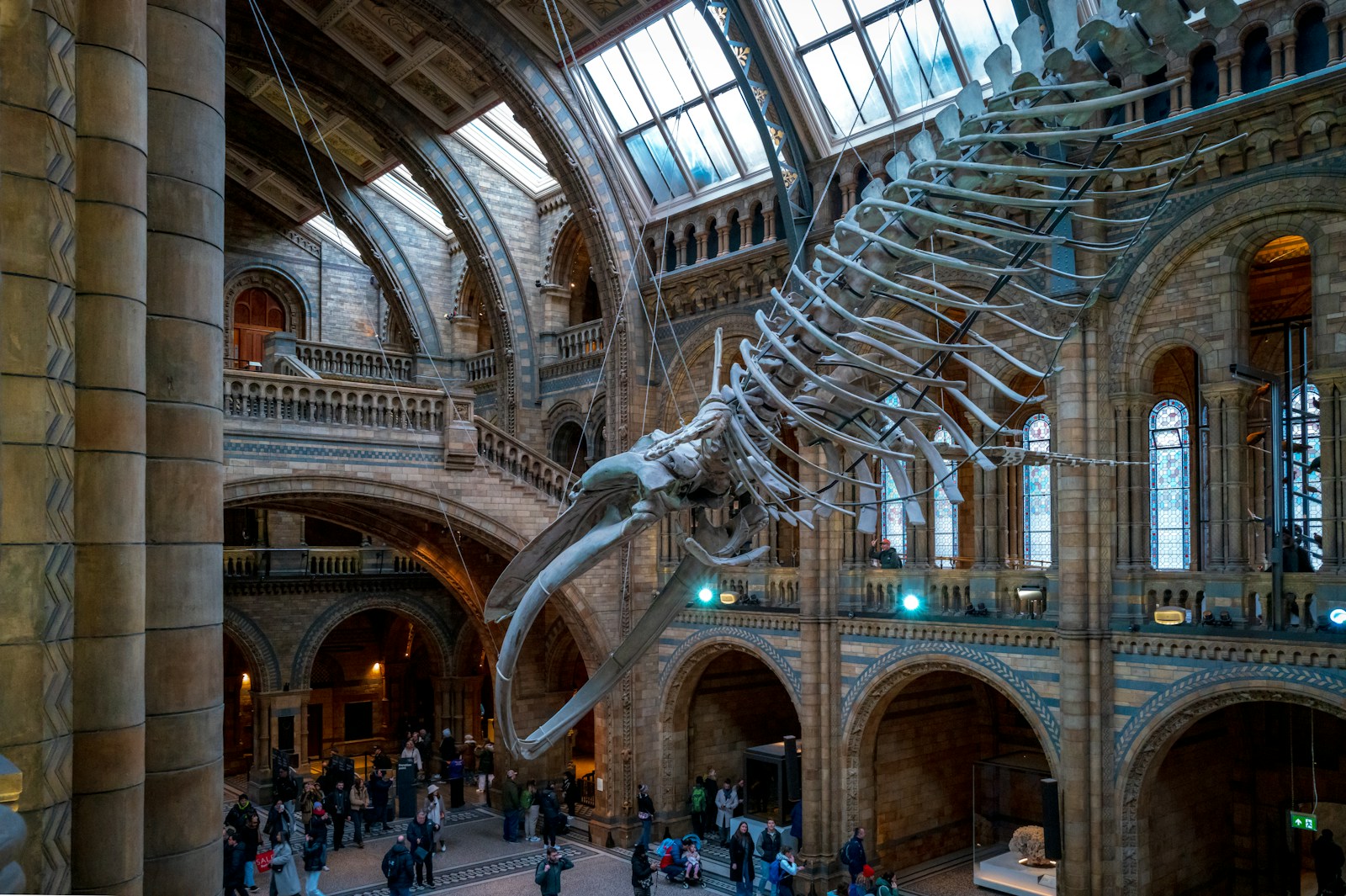
The skeleton of Enigmacursor mollyborthwickae will be displayed at the Natural History Museum in London starting June 26.

Senior Software Engineer with a passion for building practical, user-centric applications. He specializes in full-stack development with a strong focus on crafting elegant, performant interfaces and scalable backend solutions. With experience leading teams and delivering robust, end-to-end products, he thrives on solving complex problems through clean and efficient code.