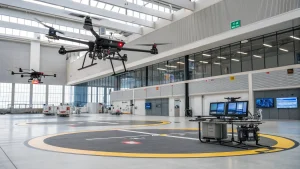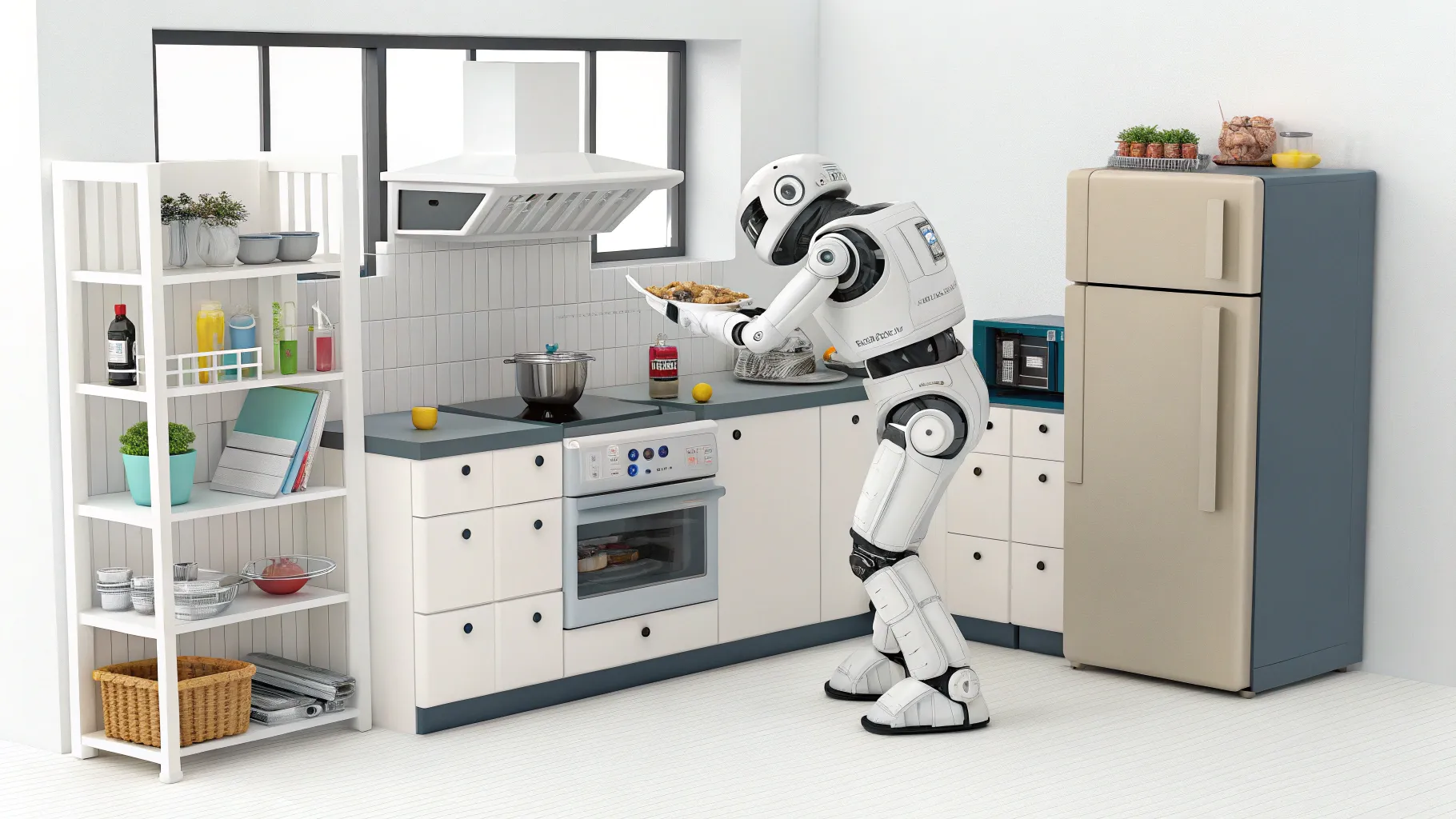
MIT’s Computer Science and Artificial Intelligence Laboratory (CSAIL) introduced a method to build realistic virtual environments so robots can practice physical tasks. The approach, called Steerable Scene Generation, simulates kitchens, living rooms, and restaurants with fine-grained control over layout and physics. Researchers say the goal is to close the gap between training in simulation and performance in the real world.
The project arrives as robotics companies struggle with cost, safety, and time when teaching machines to handle everyday objects. High-fidelity simulation offers a faster and safer path. By adding physical accuracy, the team aims to make skills learned in simulation transfer more reliably to real homes and workplaces.
Why Simulation Quality Matters
Training robots in real settings can be slow and risky. Simulated training helps scale data collection and reduces wear and tear on hardware. However, when simulations lack realism, robots fail when they leave the lab. This “sim-to-real” problem has dogged the field for years.
Steerable Scene Generation targets this hurdle. It places 3D assets in common indoor spaces and then adjusts them to match how objects behave in the physical world. This includes how items rest on surfaces, how they collide, and how they can be grasped or moved by a robotic arm.
“Steerable Scene Generation helps create realistic, virtual training grounds to help robots practice physical tasks.”
“It arranges 3D assets into digital kitchens, living rooms, and restaurants, then refines them to be physically accurate to ensure they’re lifelike.”
How It Could Change Robot Training
Indoor service robots often need to identify objects, plan grasps, open cabinets, and move through crowded rooms. Small shifts in a chair’s position or a bowl’s weight can cause errors. The ability to steer scenes—by tweaking object placement, clutter, lighting, and constraints—lets engineers test edge cases faster.
More realistic physics can also produce training data that better reflects daily environments. This may reduce the amount of real-world fine-tuning needed later. It could help robots learn to handle slippery mugs, heavy pans, or uneven floors without repeated trial-and-error in a human home.
What’s New Compared With Past Approaches
Earlier methods often randomized object textures and layouts to make policies more general. That improved resilience but sometimes produced scenes that were plausible to a camera yet physically inconsistent. A bowl might float slightly above a table. A drawer might clip through a cabinet. Those flaws can mislead a robot’s controller.
By focusing on physically accurate refinement, the MIT CSAIL method aims to maintain both visual realism and mechanical consistency. That combination can help bridge perception and control. If the weight, friction, and contact points match real life, a trained policy is more likely to succeed when transferred.
Potential Uses and Early Targets
The initial focus on kitchens, living rooms, and restaurants addresses high-need areas such as food service, elder care, and hospitality. Consistent training scenes can help with:
- Picking and placing dishes, utensils, and packaged goods.
- Navigating tight spaces with people and furniture.
- Opening doors, drawers, and cabinets with varied handles.
- Cleaning tasks that demand stable contact and pressure.
These tasks require stable, repeatable physics. If a robot learns with accurate simulations, it may avoid surprises that often appear in first deployments.
Risks, Limits, and What Comes Next
High-fidelity scenes still depend on good object models and correct physical parameters. If those are wrong, training can drift from reality. There is also a trade-off between detail and speed. Rich simulations can slow down data generation, which matters when training at scale.
Researchers will watch for evidence that skills trained with this method need fewer real-world trials. Success would show up as faster deployments, fewer resets, and better safety margins. It could also encourage standard scene libraries that let labs compare results on shared benchmarks.
MIT CSAIL’s Steerable Scene Generation points to a practical path for training robots to function in everyday spaces. By pairing lifelike visuals with physical consistency, it seeks to improve reliability outside the lab. The next test is whether it reduces on-site tuning and cuts time to real-world performance. If it does, home and service robots could reach customers sooner and operate with greater confidence.

Rashan is a seasoned technology journalist and visionary leader serving as the Editor-in-Chief of DevX.com, a leading online publication focused on software development, programming languages, and emerging technologies. With his deep expertise in the tech industry and her passion for empowering developers, Rashan has transformed DevX.com into a vibrant hub of knowledge and innovation. Reach out to Rashan at [email protected]