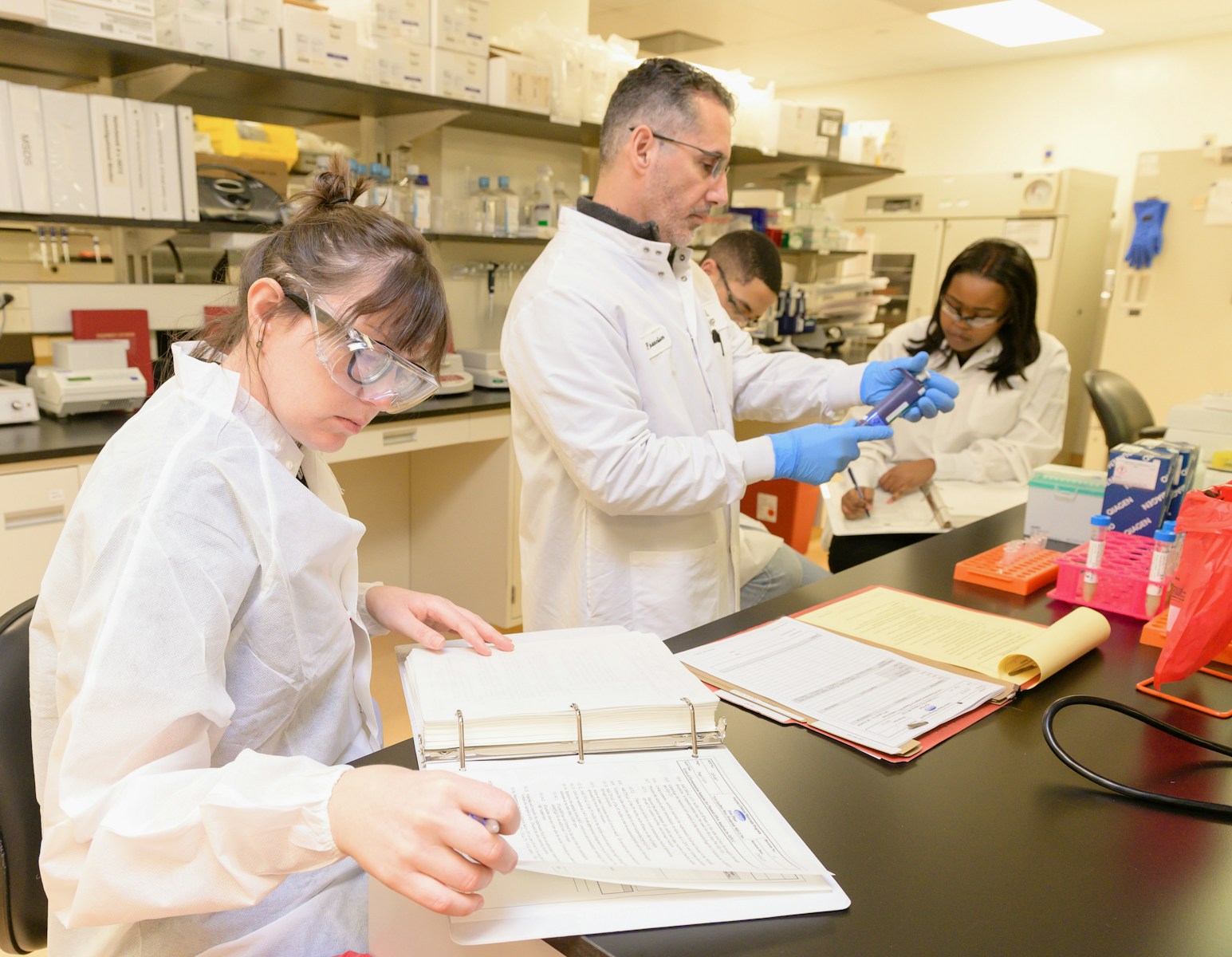
Researchers at the Massachusetts Institute of Technology (MIT) have created ChemXploreML, a desktop application designed to assist chemists in making critical predictions without requiring programming expertise. The new tool aims to make advanced chemical analysis more accessible to researchers across the field.
Bridging the Technical Gap
ChemXploreML stands out in the scientific software landscape by offering sophisticated predictive capabilities through a user-friendly interface. Unlike many existing tools in computational chemistry, this application doesn’t demand that users possess coding skills or specialized training in computer science.
The application was specifically developed to address a common challenge in modern chemistry research: the need for predictive analysis tools that can be used by chemists regardless of their technical background. By removing programming barriers, MIT’s development team has created a solution that could potentially expand access to advanced chemical modeling.
Features and Capabilities
While specific details about ChemXploreML’s full feature set remain limited, the application appears focused on making predictive analysis more straightforward for chemistry professionals. The software likely incorporates machine learning algorithms, as suggested by the “ML” in its name, to help users forecast chemical behaviors, reactions, or properties.
The desktop format of the application suggests it was designed to run locally on researchers’ computers rather than requiring cloud-based processing or specialized hardware, making it more immediately accessible to individual researchers and smaller labs.
Potential Impact on Research
Tools like ChemXploreML may significantly impact how chemical research is conducted, particularly in environments where programming expertise is limited. By democratizing access to predictive technologies, MIT’s application could:
- Accelerate the pace of chemical discoveries
- Reduce the technical barriers to computational chemistry
- Allow smaller research teams to perform complex analyses
- Provide educational benefits for chemistry students
The development of such user-friendly tools reflects a growing recognition that specialized technical skills should not be prerequisites for scientific advancement in chemistry. By making machine learning predictions available through an intuitive interface, ChemXploreML represents a step toward more inclusive scientific tools.
As computational methods become increasingly central to chemical research, applications that make these techniques more accessible may play a crucial role in advancing the field. MIT’s contribution with ChemXploreML appears to address this need directly, potentially enabling more chemists to incorporate predictive analysis into their work regardless of their programming background.

A seasoned technology executive with a proven record of developing and executing innovative strategies to scale high-growth SaaS platforms and enterprise solutions. As a hands-on CTO and systems architect, he combines technical excellence with visionary leadership to drive organizational success.