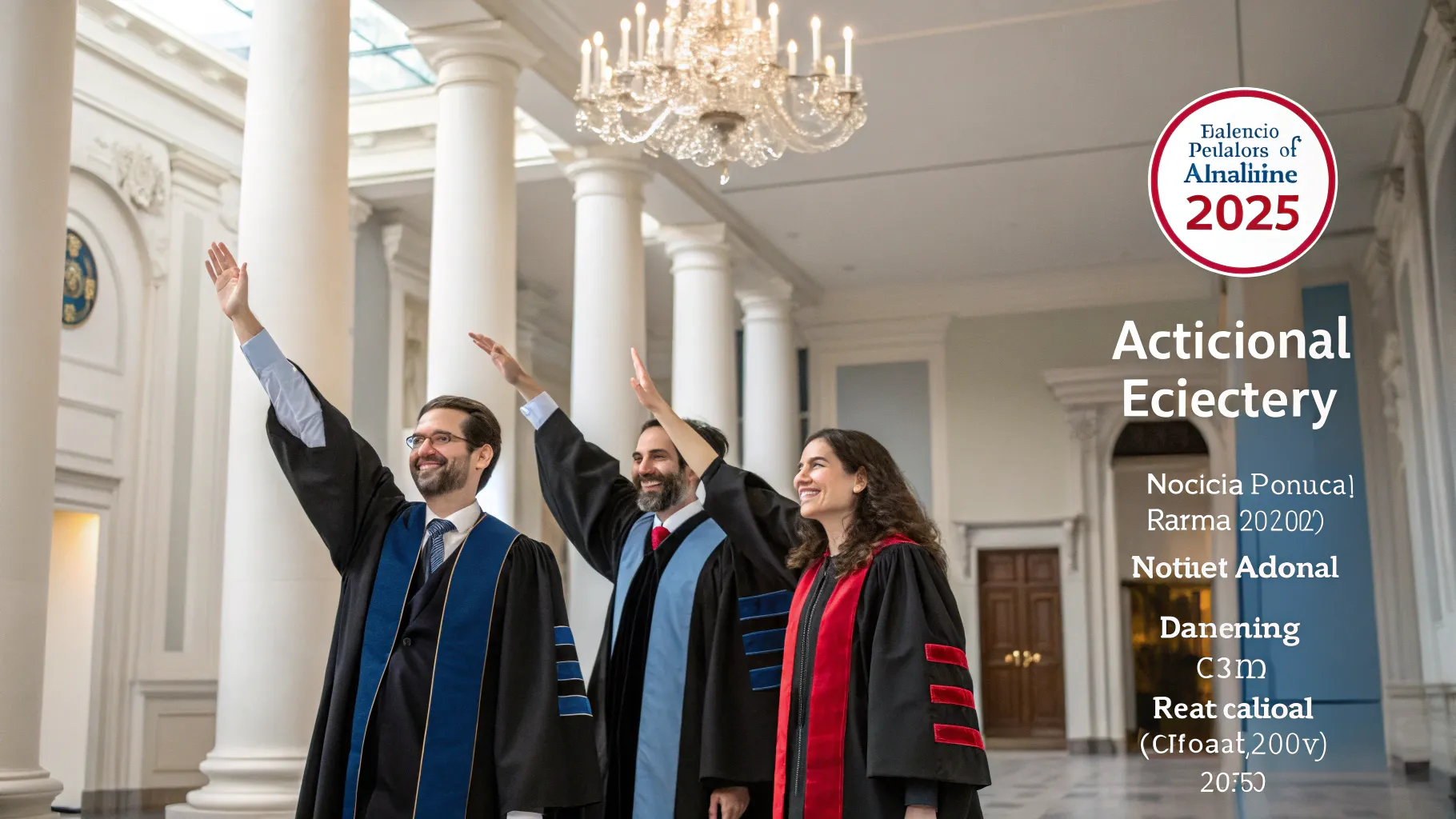
MIT faculty members Facundo Batista and Dina Katabi, along with three alumni, have been elected to the National Academy of Medicine for 2025, marking a high honor for contributions to medical and biological research. The recognition places them among a select group of leaders whose work shapes clinical practice, public health, and biomedical innovation.
The announcement highlights MIT’s ongoing role in cross-disciplinary research that links engineering, computer science, and life sciences. The new members are recognized for advances that address pressing health challenges and open new paths for diagnosis, therapy, and prevention.
What the Election Means
The National Academy of Medicine (NAM) is one of the most respected bodies in health and science. Election is considered one of the top honors in the field. Members are chosen by peers for work that improves human health, sets new scientific standards, or informs policy.
NAM membership is often a career-long commitment. Members advise on reports that guide federal agencies, health systems, and global organizations. They also contribute to studies on issues such as pandemic readiness, mental health, drug safety, and health equity.
“MIT faculty members Facundo Batista and Dina Katabi, along with three additional MIT alumni, were elected to the National Academy of Medicine for 2025, an honor that recognizes their contributions to medical and biological research.”
Profiles in Impact
Facundo Batista is an immunologist known for research that probes how the immune system detects and responds to pathogens. Work in this area helps guide vaccine design and treatments for infectious and autoimmune diseases. Research from such laboratories often informs how antigens are selected and how immune memory forms.
Dina Katabi is an engineer and computer scientist whose lab has translated wireless sensing and AI methods into new tools for health monitoring. Systems developed in this line of work can track breathing, gait, sleep, and other vital signs without wearables, helping clinicians follow chronic conditions at home and in hospitals.
The three MIT alumni were not named in the announcement, but their inclusion signals the breadth of the university’s training pipeline. Alumni elected to NAM typically span medicine, biotechnology, public health, and data science.
Why It Matters for Health and Science
Election to NAM amplifies the reach of research by linking investigators to national panels and cross-sector teams. This can speed translation from lab results to clinical guidelines or products.
- Election is peer-driven and signals trust in scientific quality.
- Members help shape advisory reports that influence policy.
- Recognition can attract funding and partnerships for high-impact studies.
For patients, the downstream effect may be faster access to better diagnostics and therapies. For health systems, insights from such researchers can improve safety, efficiency, and coverage of care outside the clinic.
Trends Shaping the Field
Two forces stand out in the careers highlighted by this election: the union of data science with clinical needs, and the steady push to understand immune function at a fine scale. Remote monitoring, privacy-aware sensing, and predictive models are gaining ground in chronic disease management. In parallel, deeper knowledge of immune signaling continues to guide vaccines and precision treatments for cancer and autoimmune disorders.
NAM often focuses its studies on cross-cutting challenges. Members with experience in AI, sensing, and immunology can help design standards for validation, ethics, and deployment, especially as hospitals adopt new tools and regulators weigh evidence from digital biomarkers.
MIT’s Broader Footprint
MIT researchers frequently collaborate with hospitals and industry partners. That approach helps move findings into trials and products. The presence of multiple new NAM members tied to MIT reflects a model where engineers, biologists, and clinicians work in integrated teams.
Such teams have contributed to areas like rapid diagnostics, home-based care technologies, and vaccine strategy. The election adds weight to those efforts and may encourage wider adoption of cross-disciplinary training in graduate programs.
The 2025 elections signal confidence in research that blends rigorous science with practical solutions. As Batista, Katabi, and the MIT alumni join NAM, watch for their input on reports and initiatives that set standards for digital health tools and next-generation immunotherapies. Their voices will help guide how new methods reach patients safely and effectively, and how evidence is weighed when health systems decide what to use next.

Senior Software Engineer with a passion for building practical, user-centric applications. He specializes in full-stack development with a strong focus on crafting elegant, performant interfaces and scalable backend solutions. With experience leading teams and delivering robust, end-to-end products, he thrives on solving complex problems through clean and efficient code.