Researchers at MIT are developing artificial intelligence tools to help run electric power grids more efficiently and reliably. The effort aims to handle growing stress from extreme weather and to make room for more wind and solar power. The work, still in development, could affect how utilities plan, dispatch, and protect the grid across the United States.
The team’s goal is simple: save energy, cut costs, and keep the lights on during storms and heat waves. The researchers say the technology could support a cleaner grid without sacrificing reliability. They argue that better software, trained on real system data, can make faster and smarter decisions than current methods.
“MIT researchers are working on AI tools to optimize the power grid, which could improve efficiency, increase resilience to extreme weather, and enable the integration of more renewable energy.”
Why Grid Optimization Matters Now
Electric systems face new pressures. More homes and vehicles run on electricity. Weather events are more frequent and severe. Aging equipment adds risk and cost. At the same time, utilities are connecting more wind and solar farms, which vary with the weather and time of day.
Grid operators must match supply and demand every second. They plan maintenance, secure backup power, and guard against failures. Even small mistakes can trigger outages. Smarter tools could help by spotting patterns hidden in floods of data and by suggesting quicker responses.
How AI Could Help the Grid
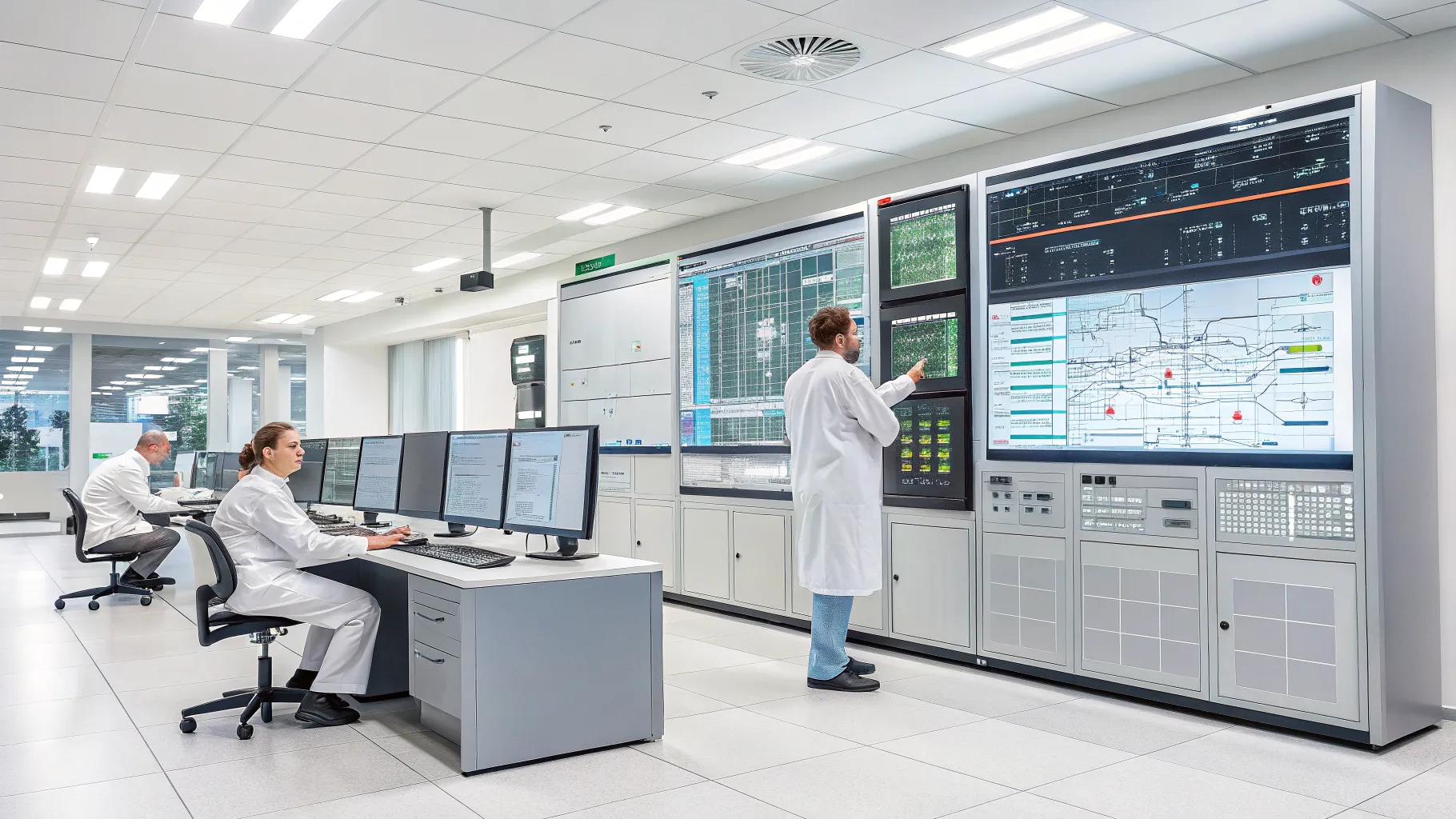
The MIT project centers on learning from historical and real-time grid data. It looks for better ways to forecast demand, schedule power plants, and route electricity around bottlenecks. It could also test “what-if” plans before storms or heat waves hit.
- Efficiency: Improve unit commitment, reduce fuel burn, and cut line losses.
- Resilience: Predict faults, pre-position crews, and reroute power when equipment fails.
- Renewables: Smooth solar and wind variability, and reduce curtailment.
These tools may pair with battery storage and demand response programs. For example, an AI system could signal batteries to discharge during a sudden drop in wind output. It could also nudge flexible loads, like industrial chillers, to shift use by a short window. Each small action can relieve stress at critical moments.
Checks, Balances, and Risks
Any move to automated decision-making on the grid brings challenges. Models must be transparent, testable, and safe under extreme conditions. Data quality is a core concern. Bad or missing data can drive poor decisions. The project emphasizes validation and fallback modes.
Cybersecurity is another issue. New software expands the attack surface. Utilities will expect strong access controls, monitoring, and rapid patching. They will also want clear audit trails to explain why an AI system made a call when something goes wrong.
Regulatory approval will be key. Many grid decisions are subject to market rules and reliability standards. New tools will need to prove they meet those rules and do not unfairly shift costs. Pilot programs are likely before any wide rollout.
Industry Outlook and Adoption Path
Grid planners have used algorithms for decades. What is changing is the speed and scale of data. AI could filter signals from smart meters, weather feeds, and sensor networks much faster than current tools. That could shorten response times during peak demand and storms.
Early adoption may start with advisory systems. These would provide recommendations while humans keep final control. If results are strong, utilities could move to limited automation in narrow tasks, such as forecasting or congestion management.
Cost will shape adoption. Savings from reduced fuel use and fewer outages could pay for deployment. Still, training, integration, and compliance will add time and expense. Public trust will also matter. Clear communication about safety and fairness will help gain acceptance.
What Success Would Look Like
Evidence of success would include fewer outage minutes, lower operating costs, and higher shares of renewable generation without reliability penalties. It would also mean better storm readiness and faster recovery times. Independent testing and transparent metrics will be needed to confirm gains.
Regional differences will guide the path. Areas with high wind and solar may focus on short-term forecasting and storage control. Urban systems may prioritize congestion relief and peak shaving. Rural grids may target wildfire risk and fault detection.
The MIT effort adds momentum to a broader push for smarter grid operations. If the tools prove reliable, they could help utilities keep costs down while adding clean power. The next steps are clear: controlled pilots, rigorous audits, and close work with regulators and grid operators. Watch for utility partnerships, published test results, and performance during the next severe weather season. These signals will show whether AI can deliver a stronger, cleaner grid at scale.

Rashan is a seasoned technology journalist and visionary leader serving as the Editor-in-Chief of DevX.com, a leading online publication focused on software development, programming languages, and emerging technologies. With his deep expertise in the tech industry and her passion for empowering developers, Rashan has transformed DevX.com into a vibrant hub of knowledge and innovation. Reach out to Rashan at [email protected]