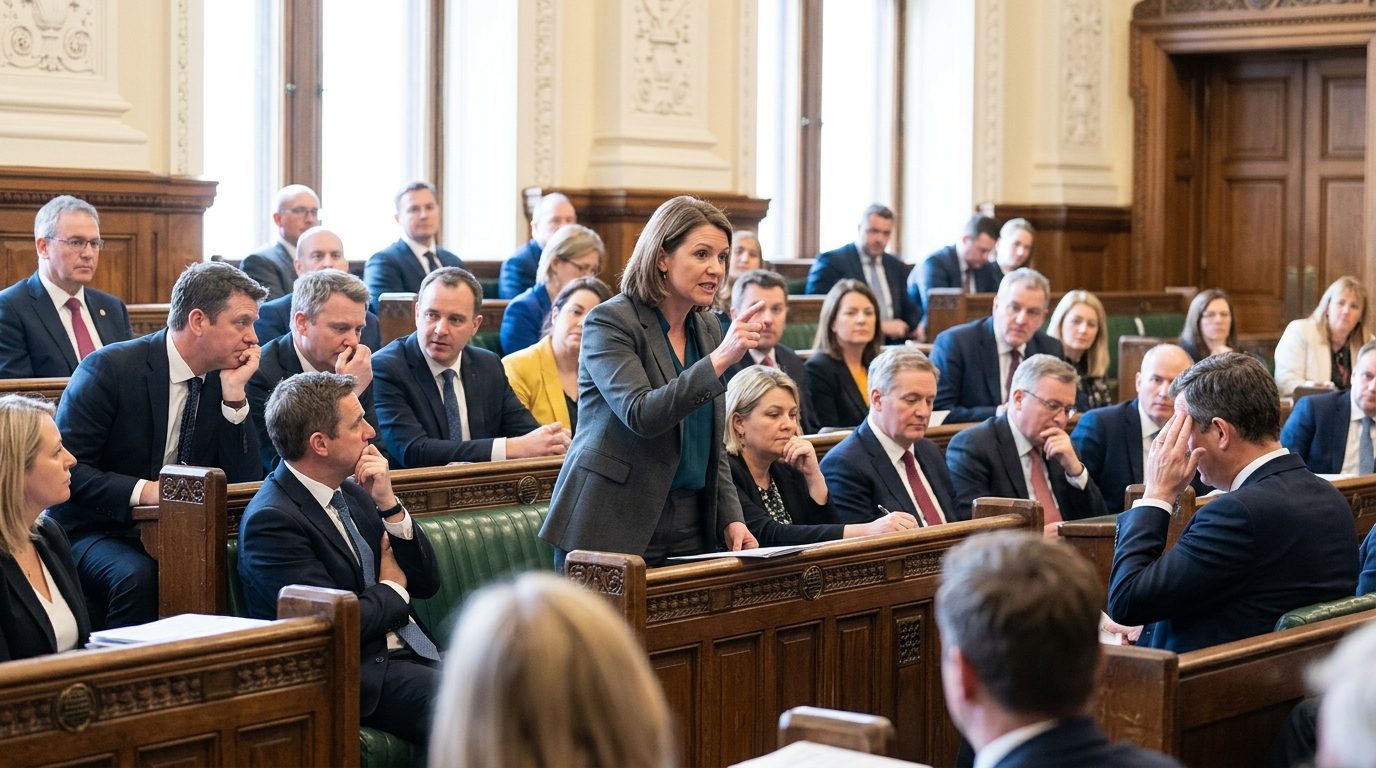
The government is facing parliamentary opposition to a proposed ban, as MPs question whether prohibition can achieve its intended result. The dispute puts the plan’s effectiveness at the center of the political debate.
Details about what would be banned, when the measure could begin, and which parts of the country it would cover have not been disclosed. No supporting figures or named speakers have been provided.
Effectiveness Becomes the Central Dispute
The opposition described so far focuses on whether the ban would work. That is different from rejecting the government’s stated goal or defending the activity targeted by the proposal.
“The government faces opposition to its proposals from MPs who believe a ban will not work.”
Such criticism can carry weight during the legislative process. MPs may demand evidence that a ban would reduce the conduct or product being targeted. They may also ask how officials would enforce it.
A ban can produce clear legal limits. However, its practical effect depends on public compliance, enforcement resources, penalties, and the availability of substitutes.
Without those details, it is not possible to assess the likely cost or impact of the proposal. The available information also does not show how many MPs oppose it, or whether they could block or amend it.
Government Must Build a Case
Ministers will need to explain why a ban is preferable to regulation, licensing, taxation, education, or tighter enforcement of existing rules. Each option carries different costs and risks.
The government’s case may depend on answering several questions:
- What harm is the ban intended to prevent?
- What evidence shows prohibition would reduce that harm?
- Which authority would enforce the measure?
- How would unintended effects be monitored?
A clear impact assessment could help Parliament judge the plan. That review would usually examine enforcement costs, effects on affected groups, and the risk that prohibited activity could move outside legal channels.
Opposition Could Reshape the Proposal
Parliamentary resistance does not always defeat legislation. It can lead to exemptions, delayed implementation, pilot programs, review clauses, or narrower restrictions.
MPs who doubt a total ban may support a limited measure instead. The government could also seek to reassure critics through stronger oversight or a requirement to review the policy after a set period.
The political outcome will depend on the size and strength of the opposition. Party discipline will matter, as will any objections from government MPs. Cross-party resistance would increase pressure on ministers to revise the plan.
Evidence Will Shape the Next Stage
The dispute highlights a basic test for prohibition policies: whether a clear legal rule can deliver measurable change. Passing a ban may be simpler than ensuring compliance with it.
Attention will now turn to the government’s evidence, the proposed enforcement system, and the number of MPs prepared to vote against the measure. Until those facts are available, the plan’s prospects remain uncertain.
The debate is likely to focus less on the symbolic value of taking action and more on results. Ministers must show that the proposal is workable, while opponents must explain which alternative would better address the identified problem.

A seasoned technology executive with a proven record of developing and executing innovative strategies to scale high-growth SaaS platforms and enterprise solutions. As a hands-on CTO and systems architect, he combines technical excellence with visionary leadership to drive organizational success.