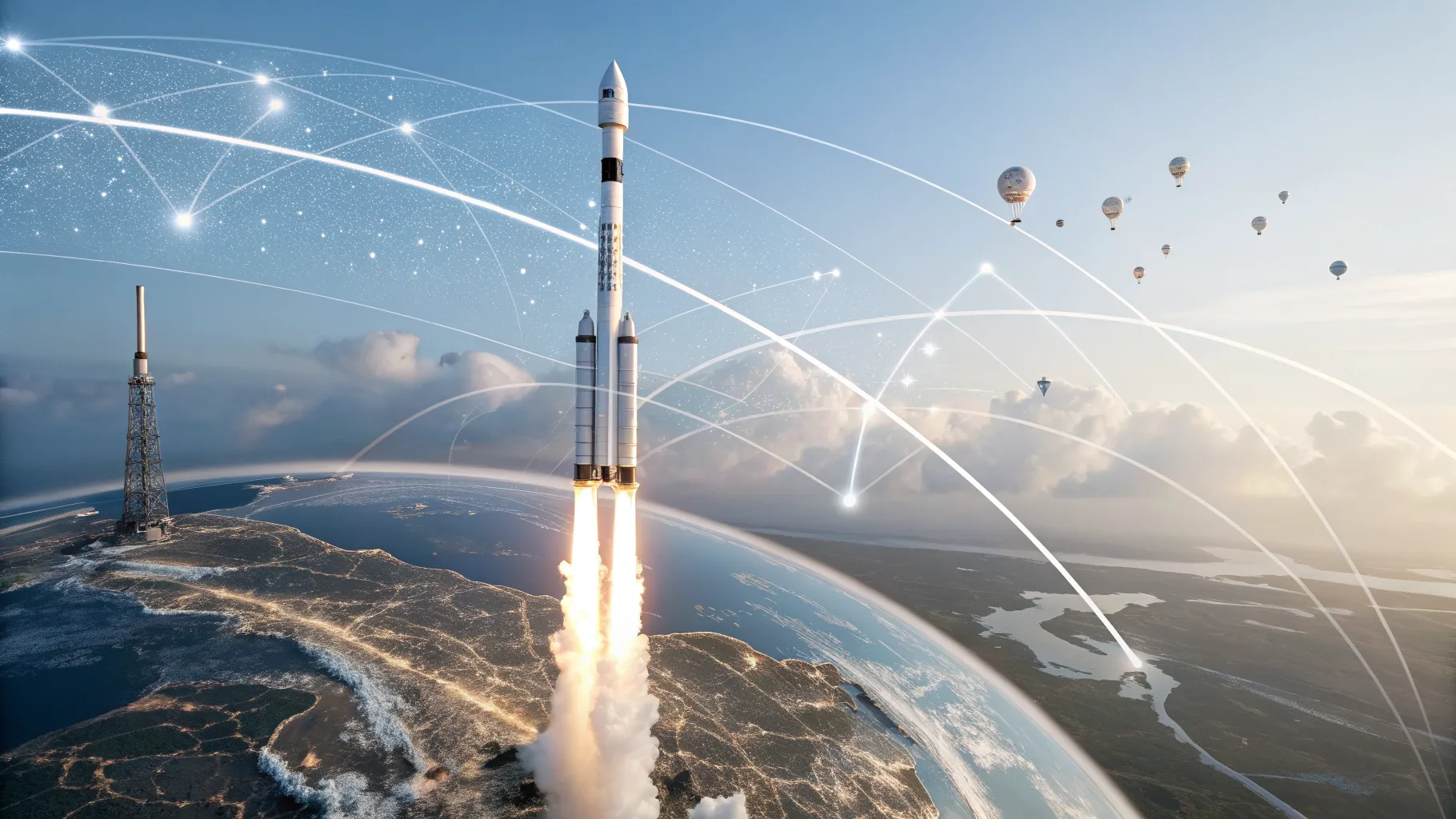
Elon Musk is reshaping his business empire again, placing his artificial intelligence and social media ventures under SpaceX. The move, announced as SpaceX continues to lead in rocket launches and satellite internet, signals a tighter link between space, AI, and online platforms. It raises fresh questions about strategy, governance, and regulation in one of the most watched business groups.
“SpaceX, a leader in rocket launches and satellite internet, will now also house Musk’s ventures in artificial intelligence and social media.”
The shift centers on SpaceX’s growing role as a technology and infrastructure company. It comes as demand for AI computing soars and as satellite internet expands its reach. The plan could reshape how these ventures share data, talent, and hardware.
Background: A Converging Empire
SpaceX built its name on reusable rockets and a fast-growing satellite internet service. Its launch cadence and global network have made it a core supplier for governments and companies. Musk’s other ventures include a major social platform and an AI startup working on general-purpose models.
Placing AI and social media inside SpaceX hints at a bet on shared infrastructure. Satellite ground stations, data transport, and on-orbit assets could support both AI training and content delivery. It also centralizes leadership under a company known for speed and engineering focus.
Why SpaceX As the Hub
Several practical reasons appear to drive the change. SpaceX operates at scale, controls networks that move vast amounts of data, and has engineering teams skilled in high-performance computing. AI needs cheap power, low-latency links, and custom chips or accelerators. SpaceX’s facilities and procurement muscle could lower costs.
For a social platform, Starlink’s reach can strengthen reliability in remote areas and during disasters. Integration might help with real-time streaming, content distribution, and moderation tools built with AI.
Potential Benefits and Risks
Supporters see operational gains. Shared data centers, security teams, and procurement could speed product cycles. A single command structure can cut delays. Engineers can move across teams as needs shift.
Critics warn about concentration of power and complex conflicts. Space companies work with governments on sensitive projects. Mixing them with a social platform could draw scrutiny. AI development also faces oversight on safety and transparency. Combining these under one roof may invite tougher reviews.
- Efficiency: consolidated compute, talent, and contracts.
- Resilience: satellite-backed connectivity for global services.
- Scrutiny: antitrust, national security, and content policy risks.
Regulatory and Investor Questions
Regulators will likely ask how data moves among the units and whether contracts with public agencies stay walled off. Clear compliance and auditing will be key. Investors will want details on governance, financial reporting, and how liabilities are shared or ring-fenced inside SpaceX.
If AI training scales inside SpaceX facilities, environmental and grid impacts could face review. Data residency rules may also shape where compute farms are built. Content policy on the social platform could draw interest from lawmakers who already track online speech and safety.
Integration Challenges Ahead
Merging cultures and roadmaps is hard. Space operations prize reliability and long test cycles. Social media ships features fast and reacts to daily user trends. AI teams iterate on models that can change workloads overnight. Coordination will require disciplined planning and strong internal guardrails.
Security will be a central test. Protecting government-related projects while running public-facing apps under one company demands strict separation of systems and staff. Any breach could cascade across units and amplify risk.
What to Watch Next
The first indicators will be leadership structure, reporting lines, and any updates to safety and compliance policies. Announcements on new data centers, satellite-to-device features, or AI-driven moderation tools would show how quickly integration is moving.
Partnerships will also matter. Deals with chip makers, cloud providers, or telecom carriers could reveal where SpaceX seeks outside support and where it keeps capabilities in-house.
Musk’s decision to house AI and social media under SpaceX marks a high-stakes bid to align space infrastructure with digital services. It could speed innovation and cut costs. It could also invite heavier oversight and make execution more complex. The outcome will hinge on careful governance, transparent safeguards, and measurable gains in performance and safety. Watch for concrete milestones over the next few quarters: leadership disclosures, infrastructure plans, and clear guardrails on data and content. Those steps will show whether this consolidation delivers strategic strength or creates new friction.

Kirstie a technology news reporter at DevX. She reports on emerging technologies and startups waiting to skyrocket.