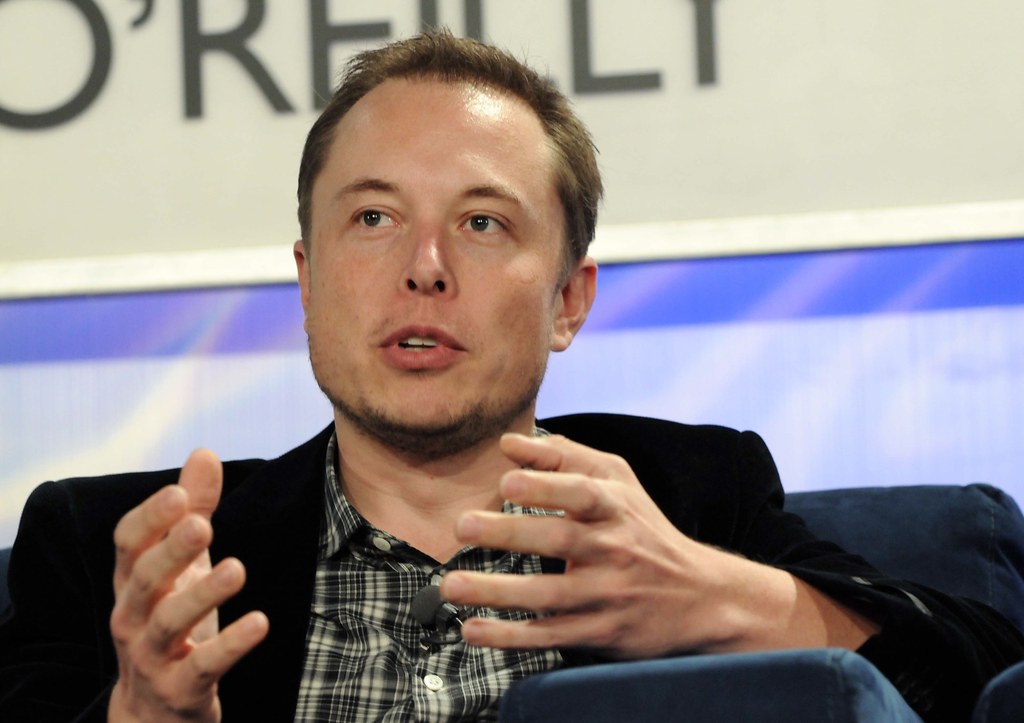
Elon Musk’s departure from the Department of Government Efficiency (DOGE) has not diminished the group’s influence within the Trump administration. More than 100 of Musk’s followers remain in key positions, implementing the president’s blueprint for streamlining the federal government. An ongoing investigation has revealed that a significant number of private-sector executives, engineers, and investors from Silicon Valley, big American banks, and tech startups are part of DOGE.
At least 38 members currently work or have worked for Musk-owned businesses, and nine have financial stakes in these companies. This close connection raises concerns about potential conflicts of interest, as many DOGE officials are tasked with regulating industries that once employed them. One notable conflict involves a DOGE member overseeing layoffs at the Consumer Financial Protection Bureau while remaining financially tied to the private sector.
The makeup of DOGE is predominantly young men in their 20s and 30s with minimal government experience, hailing primarily from finance and tech sectors. This has led to a secretive working environment where many have deleted their public profiles and avoid discussing their roles. The Trump administration has implemented measures to keep DOGE’s activities less transparent, challenging public records requests and preventing staff from speaking publicly without approval.
A White House official defended DOGE, citing a need for “outside” influences to disrupt bureaucratic stagnation. The effectiveness of DOGE’s mission, intended to save taxpayers significant sums, remains under scrutiny.
Musk’s influence persists within DOGE
Some claims about financial savings have been questioned by fact-checkers. Nevertheless, DOGE has reduced federal staff numbers, impacting various departments including health, science, and safety. As DOGE enters the post-Musk phase, the potential for conflicts of interest remains a concern.
Findings highlight that several DOGE staffers could influence policies affecting industries where they have financial interests. DOGE still retains significant sway in key areas, particularly in agencies that manage federal spending, real estate, and logistics. Allies within the Treasury Department, the Office of Personnel Management, and the General Services Administration continue to advocate for technology modernization efforts initiated under Musk.
Reports indicate that some of Musk’s key lieutenants have transitioned from special government employees to full-time roles within the GSA. Additionally, the project’s recruitment drive for tech workers is noteworthy, given its focus on automating government functions to reduce the federal workforce. The future of DOGE is hinted at in the White House’s budget request, which proposes more than doubling the operation’s funding to $45 million for the coming year.
This request underscores an advocacy for reducing the federal government’s size, a stance that shaped Musk’s vision for DOGE. While DOGE was created to improve government efficiency, its methods and the involvement of Musk-connected individuals have raised ethical and legal questions that remain unresolved. The group faces ongoing criticism for its secretive nature and potential conflicts of interest.

Senior Software Engineer with a passion for building practical, user-centric applications. He specializes in full-stack development with a strong focus on crafting elegant, performant interfaces and scalable backend solutions. With experience leading teams and delivering robust, end-to-end products, he thrives on solving complex problems through clean and efficient code.