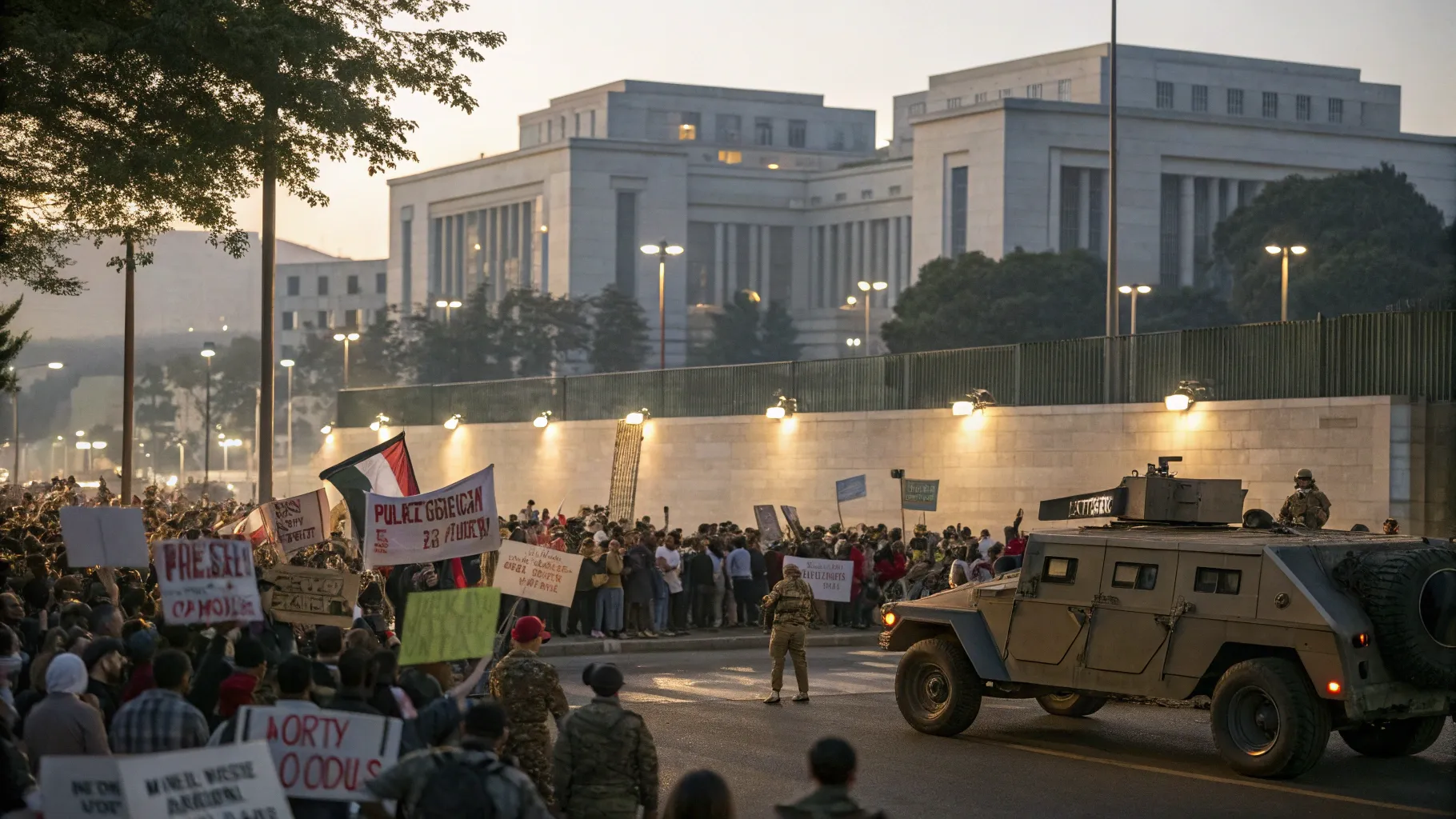
A National Guard shooting has ignited a forceful public reaction and a wave of online targeting aimed at people from many countries, raising fresh concerns about safety, misinformation, and accountability. Details on the incident remain limited, but the fallout has spread quickly across social platforms and community networks, according to early witness accounts and advocacy groups monitoring the response. Authorities have opened inquiries as calls grow for clear facts and restraint.
National guard shooting prompts extraordinary outburst and targeting of people from startling range of countries
Rising Tensions and a Rapid Online Flashpoint
Within hours of the incident, posts and videos multiplied, often without verification. Community leaders reported spikes in harassment and threatening language directed at foreign nationals, suggesting a broad spillover that extends far beyond the immediate scene. Civil rights organizations urged the public to avoid naming individuals or blaming communities without evidence.
Commentators described the mood as tense. One organizer said the reaction felt like it jumped borders, pulling in people who had no connection to the event itself. While much remains unconfirmed, the scale of the online response points to the speed at which such events can escalate.
Context: National Guard Roles and Past Controversies
The National Guard serves under both state and federal control, often assisting during disasters, civil unrest, and public emergencies. Its involvement in domestic incidents has long drawn scrutiny, especially when force is used. The most cited historical reference is the 1970 Kent State shooting, which left four students dead and sparked national debate on the Guard’s role in civilian settings.
More recent deployments have prompted reforms in training, rules of engagement, and crowd management. Yet each new incident renews questions about oversight, body camera policies, and transparency in after-action reviews. Legal experts note that state laws define how and when Guard units can be activated and what standards apply when deadly force is used.
Competing Narratives and Calls for Evidence
Advocacy groups, veterans, and policy analysts urged patience while investigators gather facts. Some argue the public should see video and documents as soon as possible. Others warn that partial clips can mislead and put people at risk.
The central concern is how the incident led to what witnesses call an “extraordinary outburst” that reached far outside the community. The phrase reflected the intensity of reactions and the broad scope of online targeting. One civil rights advocate said the spread of unverified claims often “pulls in bystanders, sometimes from a startling range of countries,” echoing the language seen in public posts.
International Ripples and Community Impact
Reports indicate that individuals from multiple countries, including students and recent immigrants, faced threats or harassment linked to the episode. Consular officials in some cities have previously advised their nationals to avoid public confrontations and report intimidation to local authorities. Community groups urged schools and employers to share safety guidance and to document incidents.
Local leaders emphasized that fear can deepen divides. They pressed for calm outreach, translation of official updates, and legal aid where needed. Mental health providers also warned that recurring viral violence can heighten stress and distrust, especially among recent arrivals who lack strong support networks.
Information Gaps and Media Responsibility
Newsrooms and platforms face pressure to move quickly, but experts stress the need to verify claims before amplifying them. Editors say the first hours after a high-stakes event are prone to errors that can be hard to unwind. Researchers studying misinformation have documented how early rumors often persist, even after corrections.
- What are the verified facts about the incident?
- Who is leading the investigation, and what is the timeline?
- What safeguards are in place to prevent targeting and harassment?
- How will authorities share evidence with the public?
What Investigators and Officials Can Do Next
Legal analysts say a clear sequence of events, supported by records and witness statements, is key to public trust. Independent review, where allowed by law, can help address doubts about the use of force. Community briefings and multilingual updates may reduce confusion.
Platforms can curb targeted harassment by enforcing existing rules and removing doxxing content. Schools and employers can offer guidance on reporting threats and accessing support services. Advocates recommend documenting incidents with time stamps and screenshots to help investigations.
The shooting has set off a volatile reaction that reached across borders and into daily life. The next phase will hinge on facts made public, consistent enforcement against harassment, and steady communication from authorities. Clear answers, careful reporting, and support for affected communities will shape whether this moment leads to accountability and safer practices or deeper mistrust and risk.

A seasoned technology executive with a proven record of developing and executing innovative strategies to scale high-growth SaaS platforms and enterprise solutions. As a hands-on CTO and systems architect, he combines technical excellence with visionary leadership to drive organizational success.