


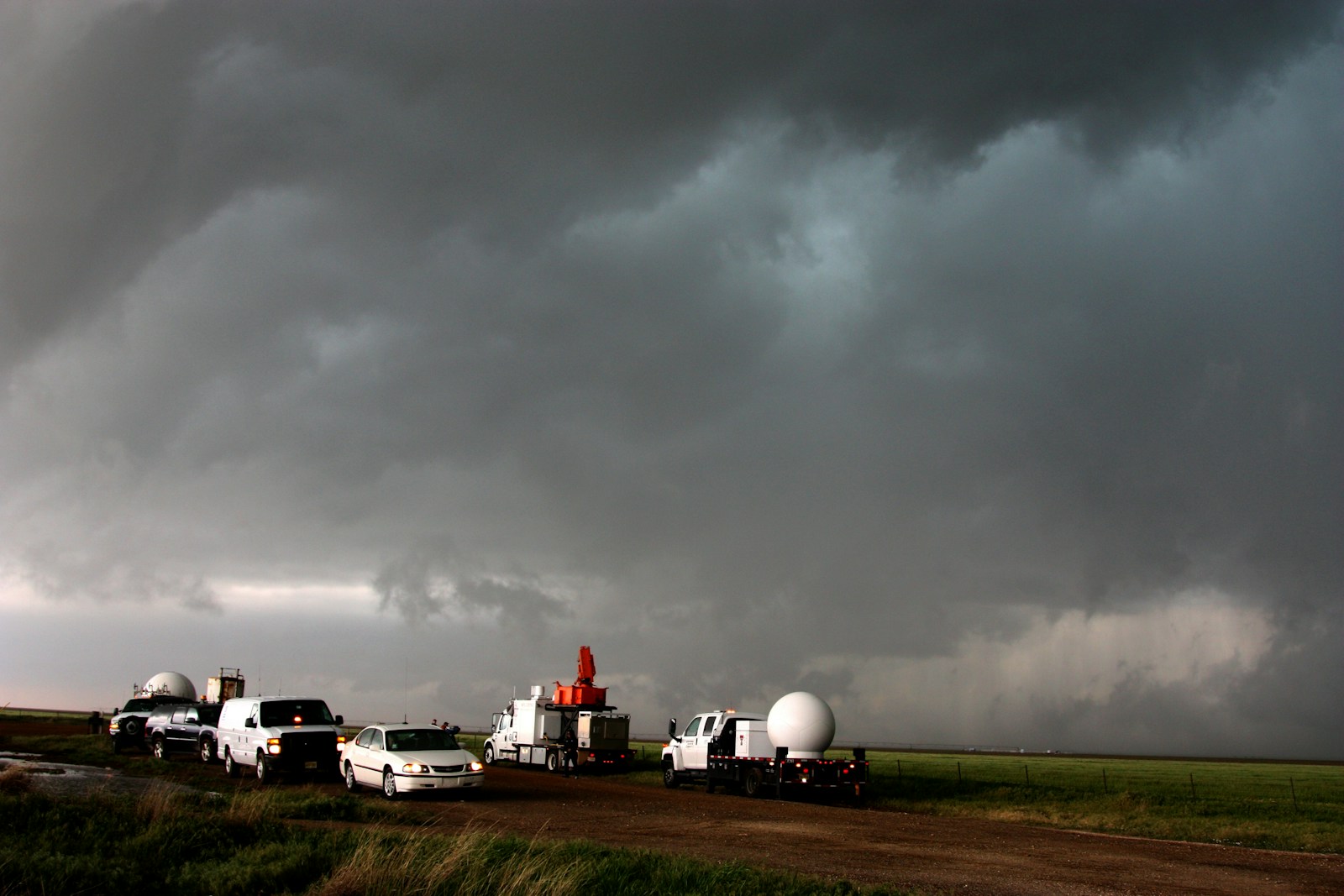
The National Weather Service (NWS) forecast office in Birmingham is temporarily relocating its meteorologists to Georgia due to a scheduled outage of the Advanced Weather Interactive Processing System (AWIPS). AWIPS is essential for issuing local weather watches and warnings.
https://twitter/NWS/status/1924821960761975246
The Birmingham NWS team is expected to arrive in Georgia by 5 p.m. ET / 4 p.m. CT. Until then, NWS Atlanta in Peachtree City will issue warnings on their behalf. This relocation is not related to staffing reductions within the National Oceanic and Atmospheric Administration (NOAA).
https://twitter/NWS/status/1924640348606734771
In addition to the impact on weather warnings, NOAA weather radio transmitters in central Alabama will also be offline due to scheduled maintenance. All 10 NOAA Weather Radio Transmitters will not broadcast warnings on Tuesday evening and overnight.
https://twitter/NWSBirmingham/status/1924988159365951671
Residents in the Birmingham NWS Office region are advised to find alternate means for receiving weather warnings. This situation affects areas including Cleburne and Randolph counties. However, it will not impact any counties in Georgia, including metro Atlanta.
For the latest warnings and alerts, ensure you have multiple ways to receive weather information. Do not rely solely on NOAA Weather Radio during this outage. As Kentucky prepared for a potential second round of intense storms, residents were caught off guard.
Weather radios were scheduled to be offline across a large swath of Kentucky and southern Indiana. “I don’t think I knew this was coming,” said Betty Bruska, a resident of Crandall, Indiana, near Corydon. Bruska has relied on weather radios for safety for 30 years. “It’s bad timing for the upgrade,” she said. “April and May bring a lot of tornadoes to this area. We’ve had some devastating ones.”
The NOAA weather radio system underwent a scheduled ‘major computer upgrade’ on May 20.
This was to ensure long-term functionality. Mike Kochasic, a meteorologist with the NWS in Louisville, acknowledged the poor timing but emphasized the necessity of the update. “Unfortunately, when that computer needs to be updated, those systems do come down,” Kochasic said.
The timing is terrible because of the severe weather in Kentucky, but it couldn’t be rescheduled. The nationwide contract had already set this upgrade in motion.”
Kochasic encouraged communities to have alternative methods for receiving warnings.
Weather radio transmitters offline in Alabama
These include local TV broadcasts and emergency alerts sent to cell phones. For decades, NOAA weather radios have been reliable sources of severe weather alerts, particularly at night. “They’re loud and will wake you up,” Bruska noted.
“Some people don’t have cell phones, so they would have nothing else to rely on. In rural areas, especially, people depend on these weather radios.”
Bruska, who owns a 100-acre farm, has experienced powerful storms firsthand. “Some storms come in the middle of the night, and that’s why I like having the radio,” she said.
The NOAA weather radio systems are scheduled to be online for all of Kentucky and Indiana on May 21. A severe weather event, including possible tornado activity, is forecasted for parts of the southern United States. However, the NWS radios will be offline, and residents cannot be alerted due to a scheduled software update.
The NWS has indicated that the most at-risk regions include parts of Missouri, Kentucky, Virginia, Southern Illinois, Southern Indiana, Western Kentucky, Western Tennessee, Northern Mississippi, Northern Alabama, Eastern Arkansas, and Southeastern Missouri. Over the past weekend, severe weather caused injuries and significant structural damage in these areas. The scheduled software update, which was planned months in advance, will affect all NWS Birmingham NOAA weather radio transmitters.
This will render them offline through Wednesday. This poses a significant risk, as these radios are a primary source for weather alerts. The affected transmitters serve cities including Winfield, Oneonta, Birmingham, Anniston, Tuscaloosa, Demopolis, Selma, Montgomery, Auburn, and Texasville.
NWS Birmingham has urged people to use multiple methods to receive weather alerts. These include wireless emergency alerts on smartphones, television, the internet, weather apps, and local county notification systems. “With the potential severe weather expected mostly during nighttime hours Tuesday night, finding alternative warning options will be more important,” NWS Birmingham stated.
Tornadoes at night are particularly dangerous because they are harder to see, and people are often asleep. Despite the radio outage, alerts and advisories will still be issued via neighboring NWS offices in Huntsville, Mobile, Peachtree City, Memphis, and Tallahassee. The highest risk for tornadoes, damaging wind gusts up to 70 mph, and golf ball-sized hail is between 7 p.m. and midnight local time.
This could impact Tuscaloosa, Birmingham, Hoover, Talladega, Anniston, Gadsden, and surrounding areas. NWS meteorologist Daniel Martin explained that the software update is mandatory for all NWS offices nationwide. Birmingham’s scheduled time coincides unfortunately with the severe weather forecast.
The update will keep NWS Birmingham weather radios offline until May 21. Weather alerts will be posted on social media and the NWS website during this time.

Senior Software Engineer with a passion for building practical, user-centric applications. He specializes in full-stack development with a strong focus on crafting elegant, performant interfaces and scalable backend solutions. With experience leading teams and delivering robust, end-to-end products, he thrives on solving complex problems through clean and efficient code.












