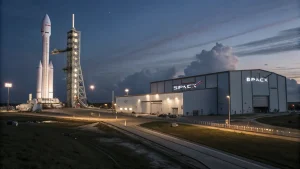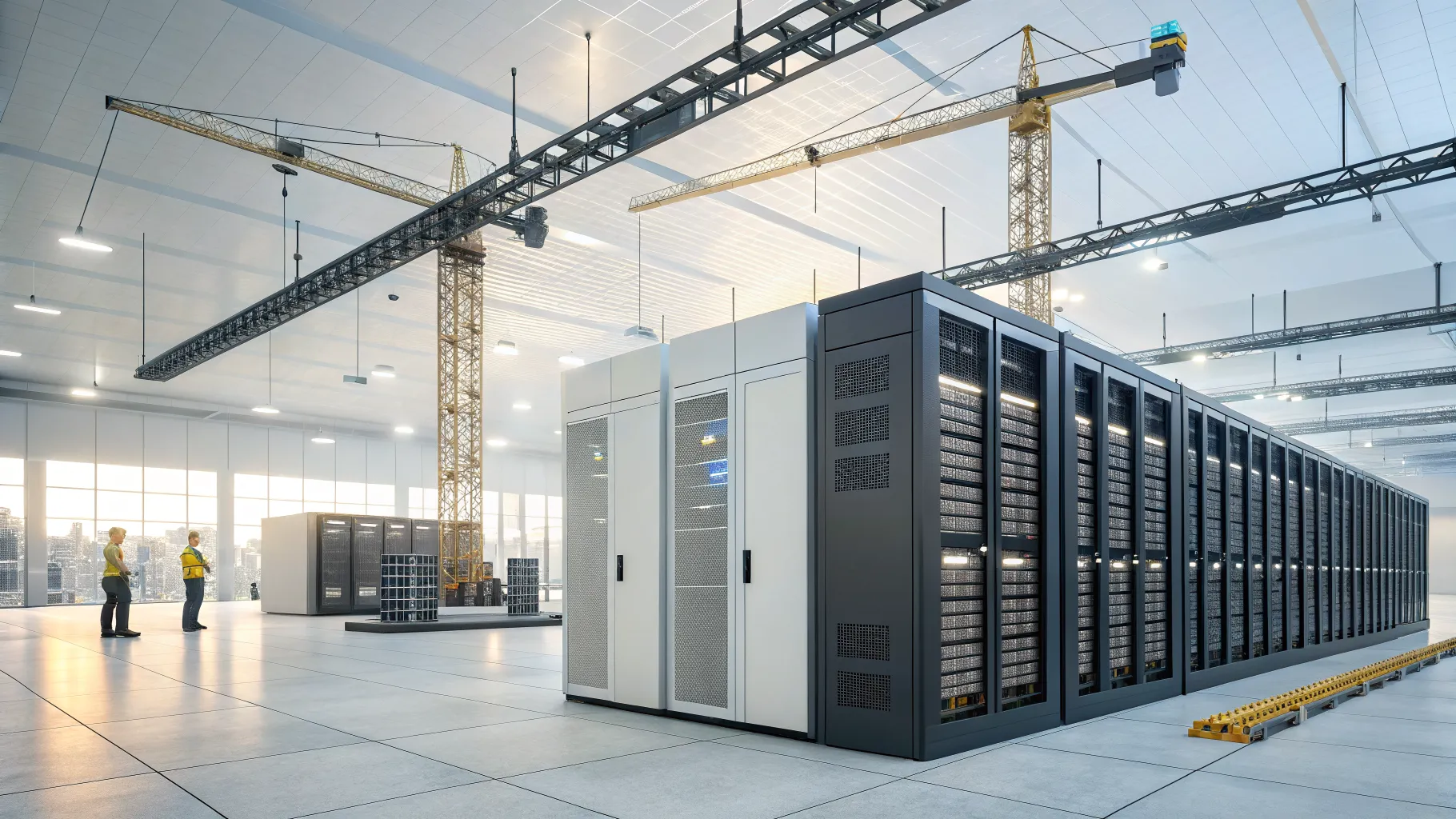
A new player is moving into the data center market, signaling fresh competition in a sector reshaped by artificial intelligence and cloud demand. The expansion, discussed this week, reflects a surge of investment as companies seek more compute capacity, more power, and faster delivery timelines across major hubs and emerging regions.
The development comes as operators race to secure land, grid access, and specialized equipment. It also highlights growing pressure on energy systems and local planning, which have become key factors in where and how fast facilities can be built.
Why the Market Keeps Expanding
Data center needs are climbing as AI workloads grow and cloud services scale. Training large models requires vast clusters of GPUs, high-bandwidth networks, and advanced cooling. Enterprises are also shifting more applications out of on‑premises environments into shared infrastructure.
Hyperscale firms have driven most new capacity, but capital from private equity, utilities, real estate investment trusts, and sovereign investors has poured in. The arrival of another participant shows that demand is still outpacing current supply in several regions.
“Another joins the data center space race.”
That short line captures a broader trend: more entrants chasing limited power, equipment, and skilled labor.
Power, Permitting, and the Search for Sites
Securing electricity is the hardest step in many markets. Grid interconnection queues stretch years in some U.S. states and parts of Europe. Local authorities in key hubs have tightened permits and water rules, pushing new builds to outlying areas.
Operators are responding with on‑site generation plans, long-term renewable contracts, and efficiency upgrades. Some are pursuing district heat reuse and non‑potable water systems to meet environmental goals and win approvals.
- Power scarcity is shifting builds from saturated hubs to secondary metros.
- Cooling strategies are changing as rack densities rise with AI hardware.
- Long lead times for transformers and switchgear affect delivery schedules.
AI Hardware and Supply Chain Pressure
The AI boom has changed facility design. Dense GPU clusters require higher power per rack and specialized cooling. Network backbones are being upgraded to move larger data sets with low latency.
Supply chains remain tight for high-capacity transformers, chillers, and advanced chips. Lead times can extend project schedules by quarters. Newcomers often partner with established builders and vendors to secure allocation and speed deployment.
Competition Meets Collaboration
Even as competition grows, partnerships are common. Cloud providers lease from colocation firms to expand faster. Real estate groups team with utilities to unlock power. Startups bring niche designs and lease capacity from bigger operators.
New entrants face a steep learning curve. They must balance capital costs, power contracts, and construction risk while meeting stricter environmental expectations. Experienced operators stress the value of phased builds that match demand and de‑risk supply.
“Speed matters, but so do power commitments and community approvals,” one industry voice noted in the discussion, reflecting a shared concern about timing and trust.
Regional Shifts and Policy Signals
Planning limits in popular hubs have pushed investment to new corridors. Regions near renewable energy, cooler climates, or strong fiber routes are gaining interest. Policymakers are weighing tax incentives against grid and land use impacts.
Industry groups are promoting transparency on energy and water use. Operators that publish clear sustainability plans and invest in local benefits tend to receive smoother approvals and community support.
What to Watch Next
Market watchers are focused on three drivers in the months ahead. First, power allocations and grid upgrades will set the pace of builds. Second, AI chip supply and cooling advances will shape facility designs. Third, policy actions on emissions, water, and siting will influence where projects land and how fast they move.
The new entrant adds momentum to a crowded field. But the winners will be those who secure reliable power, manage supply risk, and deliver capacity on time without missing sustainability targets. For customers, more competition could mean faster access to high-density capacity and new options outside traditional hubs.
The race is far from settled. As demand keeps rising, expect more partnerships, creative power strategies, and shifts to regions that can offer land, grid headroom, and community alignment.

Rashan is a seasoned technology journalist and visionary leader serving as the Editor-in-Chief of DevX.com, a leading online publication focused on software development, programming languages, and emerging technologies. With his deep expertise in the tech industry and her passion for empowering developers, Rashan has transformed DevX.com into a vibrant hub of knowledge and innovation. Reach out to Rashan at [email protected]