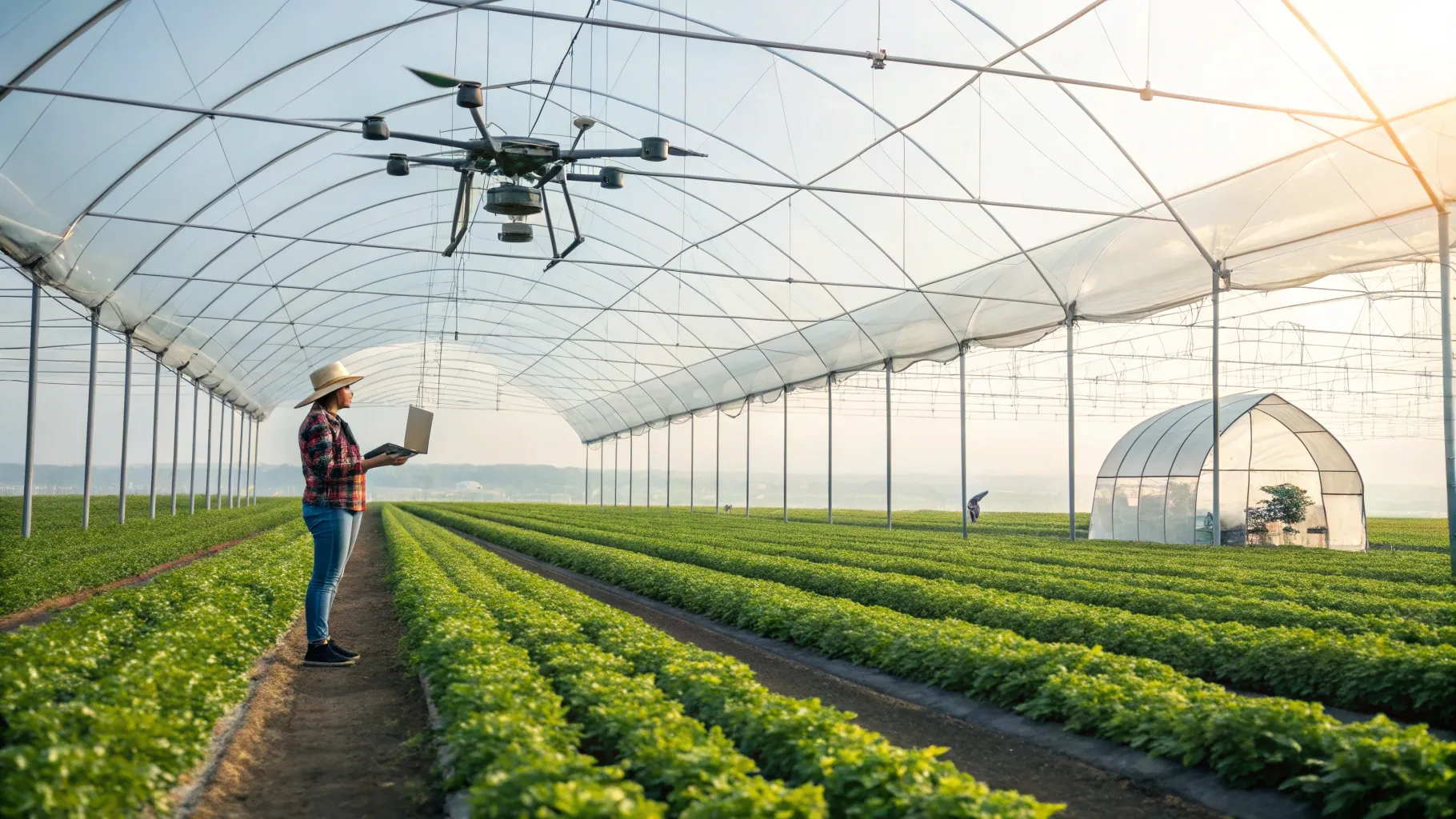
From drones to data dashboards, a wave of farm technology is promising higher crop yields and lower food prices. Companies are pitching new tools as growers plan the next season. Policymakers are watching closely as climate shocks and input costs squeeze farms and strain household budgets.
The pitch is simple. Smarter tools can help farmers grow more with less water, fertilizer, and fuel. Lower costs on the farm could ease pressure on shoppers. The path from promise to results, however, depends on access, training, and proof at scale.
A host of technology is on offer to farmers, promising to raise farming yields and lower food prices.
Why the Push for New Tools
Farmers face tighter margins. Fuel, fertilizer, and labor costs have risen in recent years. Weather is less predictable. Heat waves, floods, and droughts hit output and raise risk. At the same time, global demand for food keeps growing as populations rise and diets change.
These pressures have opened the door to tech that aims to cut waste and improve timing. Precision tools help apply inputs only where needed. Digital records help with compliance and insurance claims. For large farms, small gains add up across thousands of acres. For smallholders, a strong season can be the difference between profit and loss.
What’s on the Table
Vendors are offering a wide mix of hardware and software. Many are built to work together on the same field, often through a phone app or tractor console.
- GPS-guided tractors and planters for straighter rows and fewer overlaps.
- Soil sensors that read moisture and nutrients in real time.
- Drones and satellite imagery to spot pests, disease, and stressed crops early.
- Variable-rate sprayers and spreaders that change input levels by zone.
- Farm management software that tracks fields, costs, and yields.
- Autonomous robots for weeding and targeted spraying.
Seed and biotech firms are also promoting hybrids and gene-edited traits. The focus is on drought tolerance, disease resistance, and shorter growing cycles. Financiers and insurers are testing new products that reward verified gains in efficiency.
Evidence and Limits
Trials in different regions have shown yield gains when tools are used well. Savings often come from lower fertilizer and chemical use. Labor can shift from manual scouting to higher-value planning. Yet results vary by crop, soil, and operator skill.
Connectivity remains a brake. Many rural areas still lack stable mobile service. Without reliable data links, imagery and cloud tools lose value. Training is another bottleneck. New systems can be complex and time-consuming to learn during busy seasons.
Upfront cost is the biggest hurdle. Even leasing plans can stretch cash flow before harvest. Smaller farms may find it hard to justify equipment that sits idle for most of the year. Co-ops and service providers have stepped in with shared drones and analytics, but coverage is uneven.
Will Prices at the Store Fall
Lower on-farm costs can help, but retail prices depend on many factors. Transport, storage, energy, and exchange rates all play a role. Weather shocks and trade policy can cancel out farm-level gains. In some markets, processors and retailers capture most of the margin.
Still, improving yields and reducing input waste can cushion price spikes. More stable output can support food security during volatile seasons. Researchers warn against overpromising, but they see steady benefits as adoption grows.
Farmers Weigh Risks and Rewards
Producers want proof on fields like their own. Many ask vendors for season-long support and clear service terms. Data ownership is a frequent concern. Farmers want control over who sees field data and how it is used. Transparent contracts are becoming a selling point.
Extension agents and farm advisors urge a step-by-step approach. Start with tools that solve a clear problem. Track costs and returns each season. Share results with neighbors. Local case studies often carry more weight than national averages.
What to Watch Next
Analysts expect more bundles that tie equipment, software, and service into one monthly fee. Partnerships between equipment makers and satellite firms are expanding. Public grants for rural broadband could unlock more digital tools. Insurers may offer discounts for verified practices that lower risk.
Regulation will matter. Rules on data privacy, drones, and gene-edited crops differ by country. Clear standards could speed adoption and reduce legal risk for both farmers and vendors.
The bottom line is measured optimism. The tools are improving, and many farms report gains. But the benefits are not automatic. Access, training, and fair contracts will shape who wins. The next two planting seasons will reveal which tools move from promise to practice—and whether shoppers will feel it at the checkout.

A seasoned technology executive with a proven record of developing and executing innovative strategies to scale high-growth SaaS platforms and enterprise solutions. As a hands-on CTO and systems architect, he combines technical excellence with visionary leadership to drive organizational success.