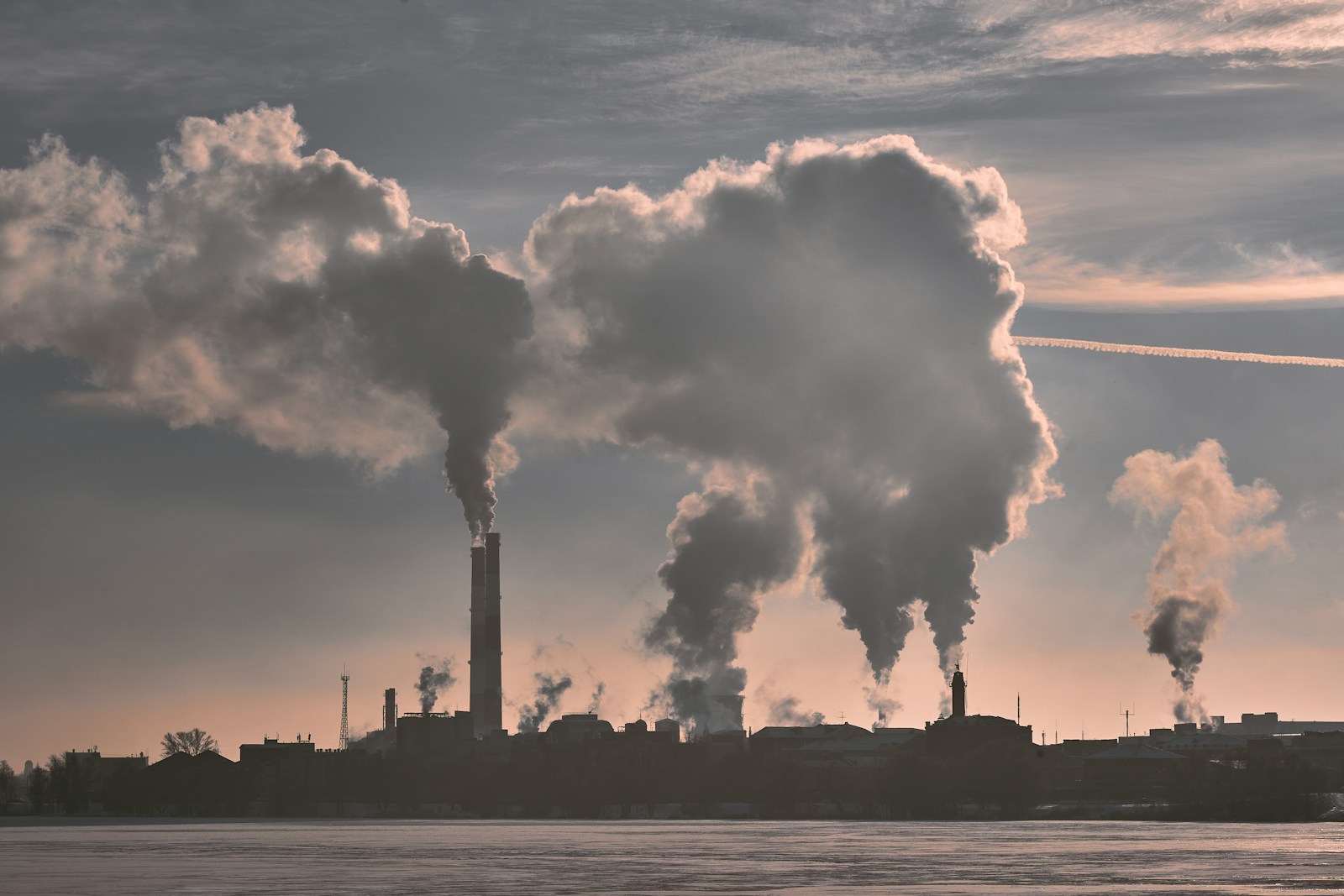
In a groundbreaking study, researchers have found that the emissions from 111 major companies, including Saudi Aramco and Chevron, have caused an estimated $28 trillion in climate damage. The report has sparked global outrage and intensified calls for these corporations to be held accountable for their environmental impact. The findings reveal the extensive harm attributed to these companies’ operations.
Environmental activists and concerned citizens are demanding that the companies bear the financial burden of rectifying the damage they have caused. These corporations have enjoyed massive profits while contributing massively to climate change,” says advocacy group Climate Action. It’s time for them to take responsibility and pay for the damage.
The report highlights the urgent need for measures to ensure that polluters are held accountable and that funds are directed toward mitigating climate change impacts.
As the debate over climate responsibility escalates, the call for corporate accountability is becoming impossible to ignore. The world is watching to see how these industrial giants respond to the mounting pressure for change and restitution.
Corporate accountability for climate damage
The study also outlines a framework that formalizes how attribution could inform litigation by assessing whose emissions are responsible and for which harms. The researchers illustrate the trillions in economic losses attributable to the extreme heat caused by emissions from individual companies. For example, emissions linked to Chevron, the highest-emitting investor-owned company in the data, likely caused between $791 billion and $3.6 trillion in heat-related losses from 1991 to 2020, disproportionately harming tropical regions least culpable for warming.
The study underscores how scientific advancements now make it practical to hold fossil fuel producers accountable for the climate crisis, potentially transforming climate litigation. The research comes as several states, including Vermont, New York, California, Maryland, and Massachusetts, have enacted or are considering laws holding oil and gas companies financially responsible for climate damage. These laws are underpinned by attribution science, which models numerous scenarios using global temperature data to determine the likelihood that extreme weather events are related to emissions from burning fossil fuels.
The new study expands this type of work to link the emissions from specific emitters to the economic burden of extreme events. The reaction to the laws has been swift, with some states arguing that only the federal government can regulate emissions. As new research and legislative actions continue to fuel the debate over who should bear the cost of climate change, the pressure on major emitters to take responsibility for their impact on the planet is growing.
Image Credits: Photo by Maxim Tolchinskiy on Unsplash

Rashan is a seasoned technology journalist and visionary leader serving as the Editor-in-Chief of DevX.com, a leading online publication focused on software development, programming languages, and emerging technologies. With his deep expertise in the tech industry and her passion for empowering developers, Rashan has transformed DevX.com into a vibrant hub of knowledge and innovation. Reach out to Rashan at [email protected]