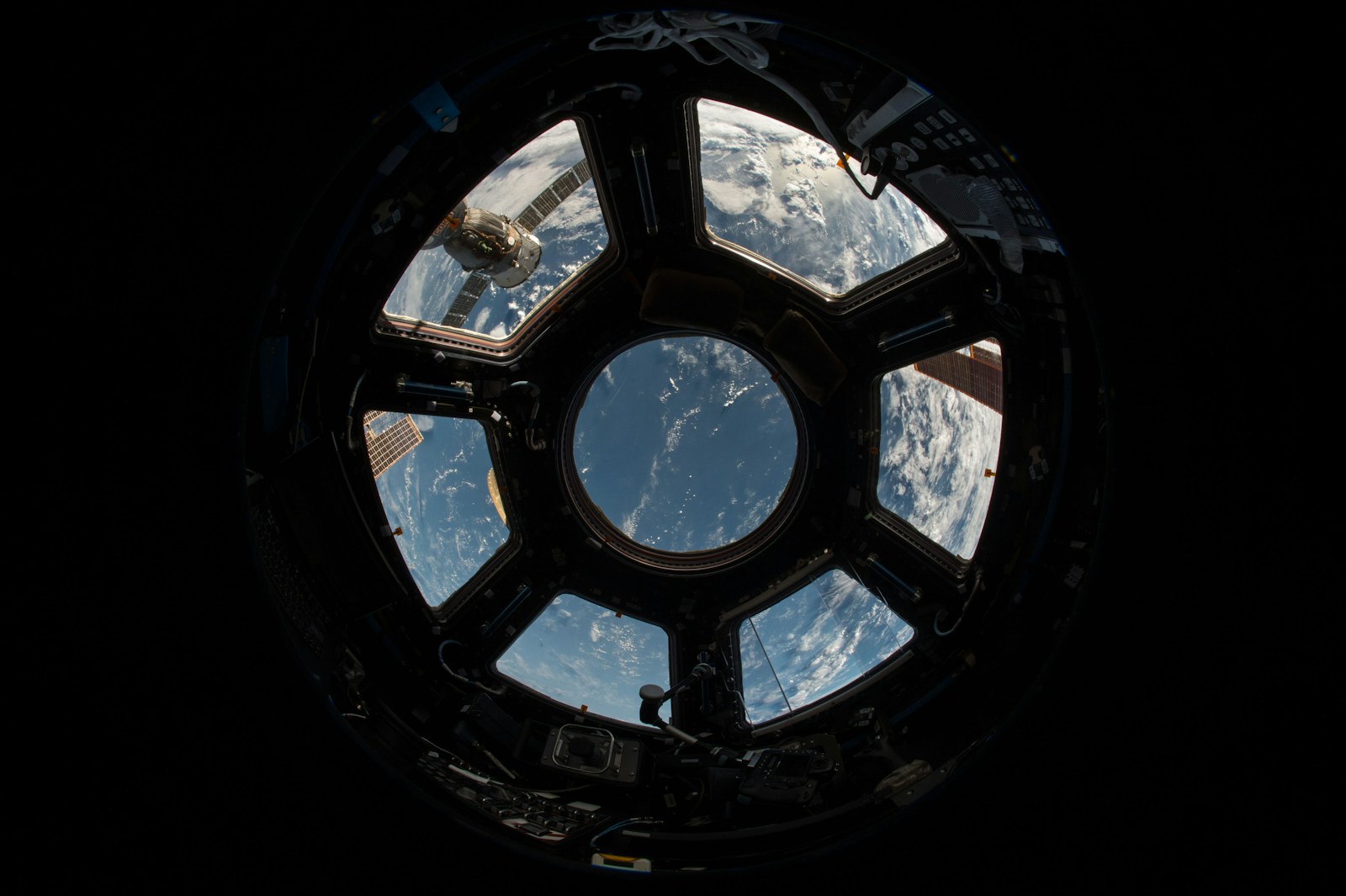
NASA astronauts on the International Space Station (ISS) have been dealing with skin rashes and immune system issues. A new study suggests that the station’s super-clean environment might be the reason why. Researchers from the University of California, San Diego took samples from different parts of the ISS.
They found that the station doesn’t have many of the natural microbes that people are exposed to on Earth. Many scientists believe being around various tiny organisms helps keep our bodies working well. If astronauts spend months in a place with only human-related germs, they might miss out on some helpful microbes.
For example, microbes from soil have been linked to healthy immune responses in kids who grow up near farms. We noticed that the amount of disinfectant used on the ISS is strongly linked to the diversity of microbes in different locations,” said study co-author Nina Zhao. When the station is cleaned and disinfected a lot, fewer natural bacteria are left behind.
The finding that the ISS has fewer types of microbes than typical Earth buildings got a lot of attention. Future space stations and other built environments could benefit from purposely encouraging diverse microbial communities that better copy the natural microbial exposures, instead of relying on highly sanitized spaces,” said lead author Rodolfo Salido. The researchers pointed out that this involves avoiding harsh cleaning products.
They suggest that bringing in certain environmental microbes might help astronauts fight off skin irritations and inflammation. The study authors noted that the ISS samples had very few outdoor microbes.
Microbial diversity on the ISS
This is similar to isolated labs on Earth, where constant cleaning also leads to fewer types of microbes. Fewer microbial varieties in these spaces may contribute to increased inflammation. While more research is needed, this sparks new discussions about designing cleaner areas without wiping out helpful microbes.
This approach could also be useful on Earth. Buildings and hospitals might benefit from carefully increasing their microbial diversity. This could involve adding plants, soils, or materials that introduce specific microbes, as long as safety is maintained.
Future space stations might include “green zones” or living walls that provide healthy microbes while avoiding harmful ones. Scientists are also developing specialized cleaning products that target harmful microbes while leaving good ones alone. It’s a significant change from trying to kill everything, but it shows promise in places that need a careful balance.
Space agencies have long monitored astronauts’ health in orbit. More subtle aspects, like changes in the immune system, continue to be studied. If managing the microbial environment helps reduce rashes or other bothersome symptoms, it could improve astronauts’ quality of life in small spaces.
The growing discussion about how “dirty” or “clean” a spacecraft should be will likely shape the design of future missions. For those heading to the Moon or Mars, a more natural microbial environment might be worth trying. The study was published in the journal Cell Reports.
Image Credits: Photo by NASA on Unsplash

Johannah Lopez is a versatile professional who seamlessly navigates two worlds. By day, she excels as a SaaS freelance writer, crafting informative and persuasive content for tech companies. By night, she showcases her vibrant personality and customer service skills as a part-time bartender. Johannah's ability to blend her writing expertise with her social finesse makes her a well-rounded and engaging storyteller in any setting.