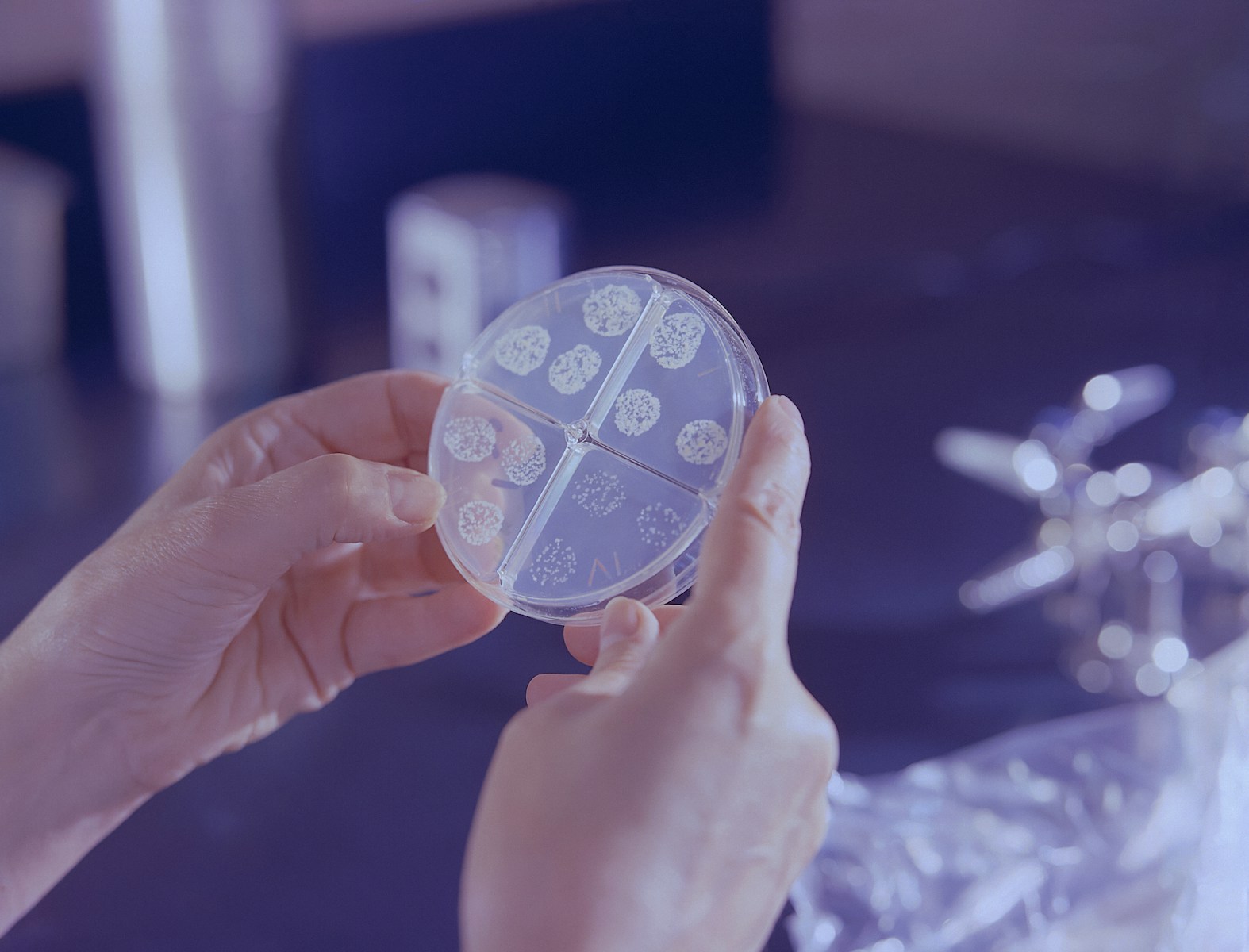
NASA scientists have discovered 26 new species of bacteria in a clean room used to prepare the Phoenix Mars Lander in 2007. The findings, published in the journal Microbiome, challenge assumptions about the sterility of space exploration environments and hint at new possibilities for biotechnology and medicine. The microorganisms were found in what was supposed to be one of the most sterile environments on Earth: a clean room at NASA’s Jet Propulsion Laboratory (JPL).
Some of the microbes existed in the room before the spacecraft was introduced, while others appeared during assembly and testing. Clean rooms at JPL are carefully controlled for temperature, humidity, and airflow to prevent microbial contamination that could compromise space missions or introduce Earth life to other celestial bodies. Despite these precautions, some bacteria not only survived but adapted to harsh disinfection protocols, deadly chemicals, and radiation exposure.
The discovered bacteria exhibited unique survival traits comparable to extremophiles, organisms that thrive in the most hostile environments on Earth. These traits include advanced DNA repair capabilities, accelerated metabolic rates, and the ability to neutralize toxins.
New bacterial discoveries in NASA cleanroom
Junia Schultz, a doctoral student at King Abdullah University of Science and Technology (KAUST) and co-author of the study, remarked that these bacteria are “true survivalists” and highlighted their potential applications in various fields. The implications of this discovery extend beyond planetary protection. Genes that enable bacteria to resist chemical and radiation stress could be invaluable for developing new pharmaceuticals, especially antibiotics or treatments that need to operate under extreme biological stress.
In the food industry, these genetic insights could improve preservation technologies, increasing shelf life and stability without synthetic additives. A major question emerging from the research is whether such bacteria could survive on other celestial bodies. While this remains under investigation, the durability of these species raises new ethical and scientific considerations around planetary protection.
These organisms’ robust survival mechanisms could unintentionally compromise future experiments that seek signs of life elsewhere in the solar system. NASA is already taking steps to review and strengthen its clean room standards to prevent any potential bio-contamination during future missions. The research adds a new dimension to our understanding of life’s resilience and could have significant implications for future space missions and beyond.

Kirstie a technology news reporter at DevX. She reports on emerging technologies and startups waiting to skyrocket.