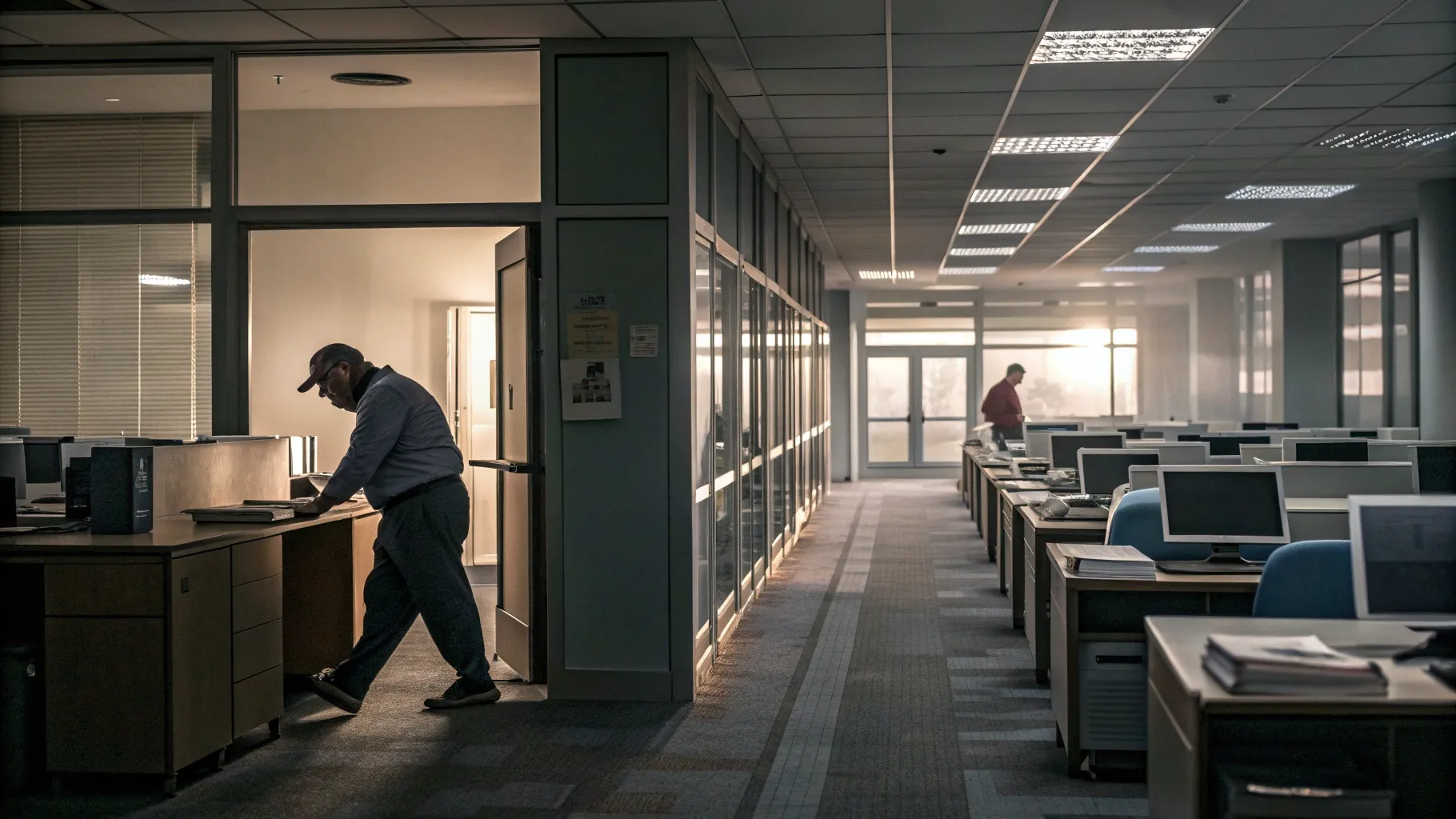
A major daily told staff on Wednesday that it will shutter its sports desk as part of a wider restructuring and cost-cutting plan. The decision, delivered internally during the middle of the week, signals a shift in coverage priorities and a fresh round of reductions. Leadership framed the move as part of an effort to streamline operations and reassign resources.
The action affects reporters, editors, and production staff who have handled daily game coverage, features, and investigations. It also raises questions about how the paper will cover teams, local leagues, and college sports in the months ahead. The company indicated that coverage will continue in some form, but with a different structure.
What Was Announced
“Employees were told Wednesday that the paper’s sports desk would close among other cuts and restructurings”
The message, shared with staff this week, placed the sports desk shutdown alongside other organizational changes. While details on timing and specific roles were not disclosed publicly, employees were told the changes would begin soon. Management said the goals include reducing duplication, lowering costs, and consolidating editing functions.
Why It Matters
The sports desk has long shaped daily coverage of pro and amateur teams for readers. Its work often drives audience engagement through live coverage, game analysis, and community stories. Shutting it down could thin daily reporting, limit beat continuity, and reduce the investigative muscle that has exposed issues in youth leagues and college athletics.
Readers who rely on box scores, high school recaps, and local profiles may see fewer bylines and less depth. The paper did not specify whether sports reporters would be reassigned to a general desk, pooled into a breaking news team, or laid off. Such choices will determine whether sports coverage remains a distinct strength or becomes event-driven and occasional.
Staff Reaction and Unanswered Questions
Inside the newsroom, the announcement sparked concern about job security and the loss of institutional knowledge. Editors and reporters with years on specific beats could face reassignment or exit. Some employees questioned whether centralized editing or freelance support can replace the daily rhythm of a dedicated sports team.
- Will beat reporters be retained on key teams?
- How will high school and college coverage be handled?
- What happens to long-term investigations already underway?
The company has not provided a detailed map of future coverage plans. For now, staff expects a transition period with reduced capacity and a focus on priority events.
Industry Pressures and Shifts
News organizations have cut costs for years as print revenue declines and digital ads soften. Sports desks, once central to print editions, now compete with team-run media, streaming highlights, and direct-to-fan platforms. Some outlets have moved to wire services and partnerships, while others have folded sports into general news hubs.
These shifts often trade depth for speed and volume. The risk is that teams go under-covered and readers lose trusted voices who can challenge official narratives. On the other hand, consolidation can free resources for investigations, data projects, or city reporting if leaders make those investments.
What Comes Next
Management is expected to clarify assignments, timelines, and any severance or redeployment plans. The paper will also need to explain how it will maintain game-night updates, enterprise projects, and features that nurture loyal readers. Community groups, schools, and local teams will watch to see if their coverage continues or fades.
Key steps to watch include:
- Announcement of new coverage structure and editing workflow.
- Decisions on beat continuity for pro and college teams.
- Plans for prep sports and community events reporting.
- Whether investigative projects are protected or paused.
The shutdown marks another sign of newsroom contraction and a test of how much coverage can survive structural change. Readers will judge the results by what appears on the page each day. For now, the paper faces a clear challenge: preserve trust and depth in sports while cutting costs and reorganizing staff.

A seasoned technology executive with a proven record of developing and executing innovative strategies to scale high-growth SaaS platforms and enterprise solutions. As a hands-on CTO and systems architect, he combines technical excellence with visionary leadership to drive organizational success.