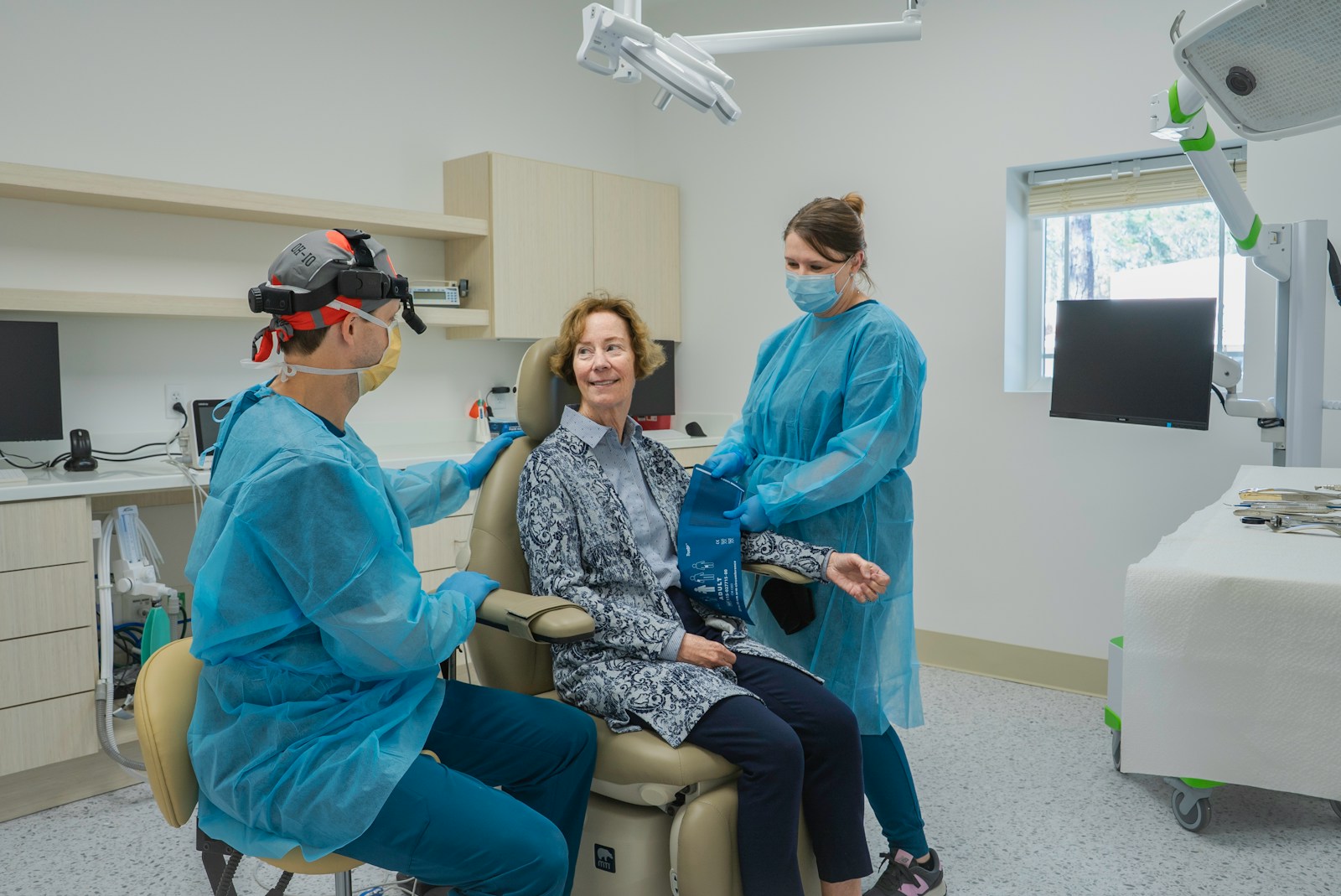
A three-month trial of a new application within the National Health Service (NHS) has resulted in significant time savings for healthcare professionals, according to official statements from the organization. The NHS reports that approximately 2,500 hours of clinician time was saved during the test period.
The trial represents a notable efficiency gain in a healthcare system that has long struggled with resource constraints and increasing demands on medical staff. This time-saving could translate to improved patient care and reduced workload for already stretched medical professionals.
App Implementation and Results
While specific details about the application’s functionality remain limited, the substantial time savings suggest the technology effectively streamlined certain clinical processes. The 2,500 hours saved equates to roughly 28 hours per day across the trial period, potentially freeing up clinicians for direct patient care.
The NHS, which serves as the UK’s primary healthcare provider, has been increasingly looking toward digital solutions to address operational challenges. This trial appears to align with broader digitization efforts across the healthcare system.
Healthcare Technology Impact
The healthcare sector has seen growing adoption of digital tools designed to reduce administrative burden on medical staff. Such technologies typically target areas including:
- Patient record management and documentation
- Appointment scheduling and management
- Prescription processing and medication management
- Communication between healthcare providers
Dr. James Wilson, a healthcare technology researcher not involved in the trial, notes that such significant time savings are uncommon in initial deployments. “When we see this level of efficiency gain in a trial phase, it suggests the application is addressing a major pain point in clinical workflows,” he explained in a recent interview about healthcare digitization.
Implications for NHS Operations
The NHS faces ongoing challenges with staffing shortages and increasing patient demand. Technologies that can free up clinical time may help address these pressures without requiring immediate expansion of the workforce.
“Time is perhaps the most valuable resource in healthcare settings,” said Sarah Thompson, a health policy analyst. “When clinicians gain back hours previously spent on administrative tasks, that time can be redirected to patient consultations, reducing wait times and improving care quality.”
The trial results come at a critical time for the NHS, which has been working to reduce backlogs that grew during the COVID-19 pandemic while simultaneously managing ongoing resource constraints.
Future Deployment Considerations
Following the successful trial, questions remain about potential wider implementation across the NHS. Key considerations will likely include:
The cost of scaling the application across the entire healthcare system, training requirements for staff, integration with existing NHS digital infrastructure, and ongoing evaluation of time-saving benefits in diverse healthcare settings.
Healthcare technology implementations typically face challenges during scaling phases, including resistance to change, technical integration issues, and varying levels of digital literacy among staff.
The NHS has not yet announced whether the application will see broader deployment following the trial, though the significant time savings reported suggest the technology may be considered for wider implementation pending further evaluation.

Senior Software Engineer with a passion for building practical, user-centric applications. He specializes in full-stack development with a strong focus on crafting elegant, performant interfaces and scalable backend solutions. With experience leading teams and delivering robust, end-to-end products, he thrives on solving complex problems through clean and efficient code.