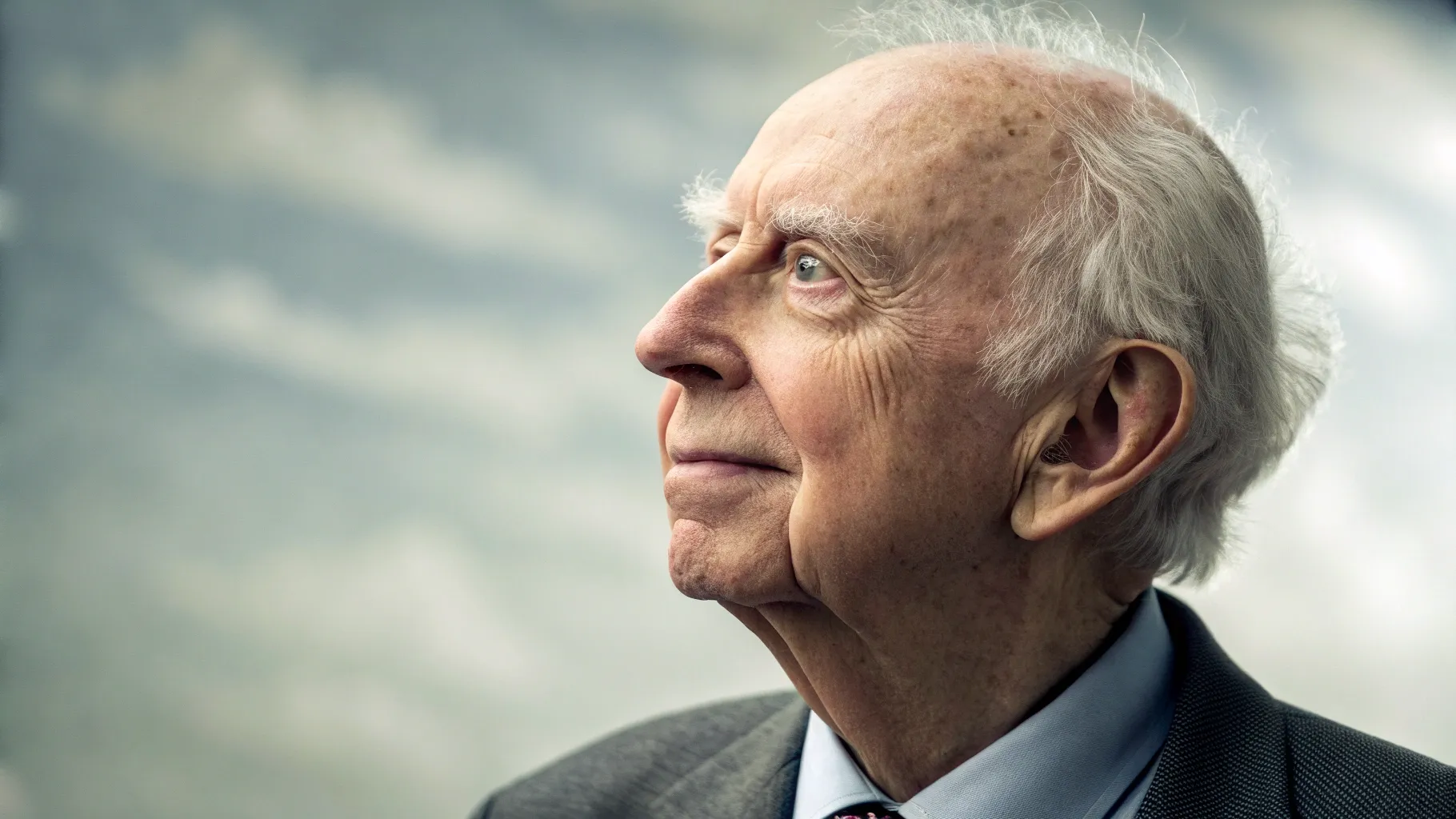
James D. Watson, the molecular biologist who shared a Nobel Prize for helping reveal DNA’s double-helix structure, has died. Details about the date and location were not immediately available. Watson’s death closes a consequential and often controversial chapter in modern science, one that reshaped biology and medicine while fueling debate over credit, ethics, and public conduct.
Watson was best known for work with Francis Crick at the University of Cambridge in 1953. Their model explained how genetic information is stored and copied. The discovery enabled advances from genetic testing to biotechnology. He later became a public figure through leadership roles and popular writing, most notably his 1968 memoir, The Double Helix.
“Scientist James Watson, who shared a Nobel prize for helping discover the double-helix shape of the DNA molecule, has died.”
A Scientist Who Changed Biology
Watson, born in Chicago in 1928, trained in zoology before turning to molecular biology. In the early 1950s, he and Crick combined data from multiple sources to propose the DNA double helix. Their model relied on X-ray diffraction images produced in London by Rosalind Franklin and colleagues, along with chemical insights from other researchers.
In 1962, Watson, Crick, and Maurice Wilkins received the Nobel Prize in Physiology or Medicine for the discovery. Franklin, who died in 1958, was not eligible under Nobel rules that bar posthumous awards.
Watson later led Cold Spring Harbor Laboratory on Long Island and briefly directed the early U.S. Human Genome Project at the National Institutes of Health. He helped steer funding and public attention to molecular genetics as the field expanded into gene mapping, sequencing, and eventually large-scale genomics.
Credit, Method, and Continuing Debate
The story of DNA’s structure remains a touchstone for how science advances—and how it assigns credit. Discussions surrounding Franklin’s role intensified after The Double Helix popularized a personal account of the work. Scholars have since argued over access to data, lab culture, and the recognition afforded to Franklin’s contributions.
These debates changed how institutions teach research ethics and collaboration. Many biology courses now address the interplay of competition and cooperation and the importance of recognizing all contributors, including those whose work supplies vital data but who do not appear on prize lists.
Public Stature and Public Controversy
Watson’s public standing shifted late in his career. He made repeated statements about race and intelligence that drew strong condemnation from scientists and civil rights leaders. Cold Spring Harbor Laboratory suspended him in 2007 and, in 2019, revoked his remaining honorary titles following further comments.
For many, those remarks complicated his legacy. Supporters separated his scientific achievements from his public views. Critics argued that leadership in science requires conduct that reflects the evidence-based, inclusive values the field espouses.
Impact on Medicine and Industry
The double-helix model opened the path to reading and editing genetic code. It helped launch tools and industries that touch daily life, from forensic DNA testing to newborn screening. Modern therapies now target cancers based on mutations rather than tumor location. Carrier screening and noninvasive prenatal testing are routine in many hospitals.
Research built on DNA structure continues to shape policy and markets. CRISPR gene editing trials are moving ahead in blood disorders and rare diseases. Genetic data now inform drug development, agricultural breeding, and public health surveillance. These efforts rest on principles first made clear in 1953: base pairing, replication, and the link between DNA and heredity.
- 1953: DNA double helix proposed in Nature.
- 1962: Nobel Prize shared by Watson, Crick, and Wilkins.
- Late 1980s–1990s: Leadership roles in genomics and at Cold Spring Harbor.
- 2000s–2010s: Public controversy and loss of honorary positions.
What Watson’s Passing Means Now
Watson’s death will revive scrutiny of how science honors discovery and how institutions respond when prominent figures clash with community standards. It will also prompt reflection on the pace and reach of genetics. DNA knowledge has outstripped many laws and norms, raising issues in privacy, consent, equity, and access to care.
Universities and labs may use this moment to revisit ethics training and historical accounts that include Franklin and other overlooked contributors. Policymakers will likely face renewed calls to update rules on genetic data and discrimination.
Watson’s scientific achievements transformed biology. His public statements sparked painful conversations that science is still working through. The next chapter will belong to researchers, clinicians, and patients shaping how genetics serves society—fairly, safely, and with shared credit for the work that makes progress possible.

Deanna Ritchie is a managing editor at DevX. She has a degree in English Literature. She has written 2000+ articles on getting out of debt and mastering your finances. She has edited over 60,000 articles in her life. She has a passion for helping writers inspire others through their words. Deanna has also been an editor at Entrepreneur Magazine and ReadWrite.